A Historic Cabernet Tasting: 2025 Taste Washington Seminar Review

In which I taste through some of the all-time heavy-hitters of Washington State Cabernet Sauvignon, and why you should attend a wine seminar….

Happy St. Patrick’s Day, readers! Up here in the Pacific Northwest, we are on the cusp of spring and the weather is acting accordingly: dreary, drizzly, rainy, windy, but with pink and white cherry blossoms and yellow daffodils fighting against the gloomy grey, like eager students waving their hands in the air to be called on. I am feeling hopeful for the new season that shall soon be upon us.

I don’t know why “they” picked both March and August, but March is officially Washington Wine Month: a chance to focus on and celebrate the great and special wine of the Evergreen State. Maybe they picked March because March is still basically winter and everyone is getting really sick and tired of the winter drudgery at this point (and needs some good wine to pull them to the spring finish line). Anyway, it’s when the Washington State Wine Commission puts on a week’s worth of special events in Seattle called Taste Washington, which encompasses everything from winemaker dinners to educational seminars.

In 2023 (I missed 2024), I attended Taste Washington’s Seminar, “Washington Vs. The World: The Ultimate Blind Tasting.” This was a fantastic event and I’m still baffled as to how it took me so long to figure out this happens annually in my city. We wine lovers gotta scratch our itch to learn about wine, and I can’t think of a better opportunity that delivers on that without costing you substantial time and money, like earning a certificate or diploma in wine. I am glad I found an activity worth doing every year for the enjoyment, the opportunity to try rare/expensive/unusual wines, and the chance to further my wine education.

I couldn’t resist attending this year, especially with one of the seminars titled, “King Cabernet: A Historic Tasting of Washington’s Finest.” I mean, really, would you pass up a chance to taste 10 of Washington’s finest/most premium/highest-scored Cabernets for way less than the cost of many of the bottles themselves? I think not! So, thanks to some birthday money from my in-laws, I went ahead and signed up. 🙂

Since the dress code called for business casual, I rounded up an outfit from the “distant work past” section of my wardrobe, put on makeup, and moved my personal items from a fanny pack to a leather handbag. My outfit was probably more business and less casual, when I think about it, but better to err on the side of formal than informal. After all, drinking wine is always a special occasion and sometimes we should approach it with some reverence. 🙂 I no longer need this kind of fancy wardrobe except for maybe once a year – thank God, because my legs hurt from traipsing around in my heeled leather boots – but from time to time it’s fun to dress up and feel a little more put together than my usual, painfully casual mom attire. 😉

My husband drove me to the seminar, which took place at the Embassy Suites Hotel right next to Lumen Field Event Center, where the Grand Tasting events (large scale event featuring tastings from over 200 wineries and over 75 restaurants) were happening immediately after the seminars. While I did my wine thing, he took the kids to explore the fabled Seattle waterfront in an effort to give the city a chance to prove we should not talk smack be entirely negative about it. I will not mention the sights and aromas of our last trip to the waterfront several years ago for an aquarium visit. But I digress….

Here is the official description of the seminar:

“Amazingly, Cabernet Sauvignon only became Washington’s most-produced grape variety just over a decade ago. Today, not only does it dominate production and plantings, but also defines many of our most critically acclaimed wines: wines that stand out for their balance, elegance, depth, and sense of place. Here, in the best flight of Cabernet Sauvignon ever poured at Taste Washington, we’ll present a show-stopping array of some of the state’s finest and most celebrated masterpieces. Discover what makes Washington Cabernet so distinctive, explore the regions where it shines brightest, and learn about the exciting future of this esteemed variety. Join us to experience why Cabernet Sauvignon has earned its title as Washington’s unrivaled king of grapes.”

The seminar was moderated by Bob Betz, MW (Master of Wine), a well-known Washington winemaker and figure in the state wine scene. Bob explained that he did select the lineup of wines based on critics’ scores – he wasn’t just pulling his personal favorites (his winery’s wines just happen to score in the top). 🙂 We were instructed to sip on the wines in whatever order we desired as the panel members talked. The panel consisted of the following individuals – all winemakers whose wines we were drinking except for one wine critic whose specialty was Cabernet Sauvignon:

  • Virginie Boone, JebDunnuck.com
  • Will Camarda, Andrew Will
  • Stephanie Cohen, Col Solare
  • Ray McKee, Trothe
  • Gilles Nicault, Long Shadows
  • Louis Skinner, Betz Family
Taste Washington Seminar 2025

Bob and the panel laughing about something. 🙂

There was a lot of talk about Cabernet Sauvignon: about why it’s a noble variety and one of the top quality wine grapes in the world, why it shines in Washington state, but the purpose of this post isn’t to lose you in the mire of technical details; in fact, I really didn’t even take notes, as I wanted to drink in the information but mainly just relax and drink up the wine. 🙂 Suffice it to say, it does really well with the climate and soils of Eastern Washington and makes a fine, long-lasting wine, thanks in part to its dark skins (anthocyanins) and skin to seed ratio. Essentially, it has the tannins, acid, and alcohol to make rich, bold, long-lasting wine.

Here is the illustrious lineup of Cabernet Sauvignons that I got to imbibe:

  • Andrew Will, Sorella, Champoux Vineyard, Horse Heaven Hills, 2018 ($97)
  • Betz Family, Heart of the Hill Cabernet Sauvignon, Red Mountain, 2019 ($135)
  • Col Solare, Tenuta Cabernet Sauvignon, Red Mountain, 2019 ($200)
  • Corliss, Cabernet Sauvignon, Red Mountain, 2019 ($125)
  • CĂŽte Bonneville, Estate Bottled, DuBrul Vineyard, Yakima Valley, 2018 ($125)
  • L’Ecole No. 41, Estate Grown, Ferguson Vineyard, Walla Walla Valley, 2017 ($105)
  • Long Shadows, Feather Cabernet Sauvignon, Columbia Valley, 2021 ($85)
  • Quilceda Creek, Cabernet Sauvignon, Columbia Valley, 2021 ($250)
  • Trothe, Cabernet Sauvignon, Horse Heaven Hills, 2021 ($240)
  • Woodward Canyon, Old Vines Cabernet Sauvignon, Washington, 2021 ($110)

Before attending this seminar, I had already tried several of the wines, a couple of which I had won at charity auctions back in the day, including a Quilceda Creek red blend and Col Solare red blend. I’ve had L’Ecole No. 41 wines in Walla Walla at the winery, CĂŽte Bonneville’s ultra-premium 2013 Cabernet Sauvignon at a special winemaker dinner in Woodinville, and Betz Family Syrah that I purchased from Total Wine for a blind tasting. For five of these it had been a minute since I’d tried them, so it was good to have a refresher course. And for the other five, it was a privilege to get to try producers that were new to me.

I appreciated trying the wines side by side with others from similar and different regions, vineyards, vintages, etc. to compare and contrast. For example, I would sniff all three of the 2019 Red Mountains from Col Solare, Corliss, and Betz side by side, comparing, or the Horse Heaven Hills wines (Trothe and Andrew Will). Some of the Cabs were very strong in fruit and floral aromatics, while others were more subdued, with less pronounced fruit and more herbal and mineral aromas. All were excellent; at this point it was just a matter of personal preference, sort of like comparing apples to apples. And when you factor in drinking one of these wines with a fine meal, who knows how that might change your perceptions.
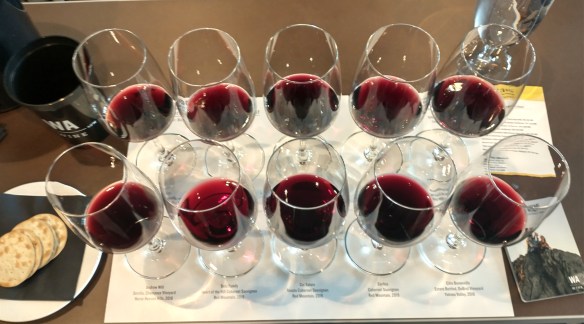
Cabernet SauvignonsIn Washington state, winemakers are legally allowed to add small amounts of other wines (up to 25%) to get a single-varietal wine the way they want it to be (think other Bordeaux varietals, which are Merlot, Cabernet Franc, Petit Verdot, Malbec, CarmĂ©nĂšre). So it can still be called Cabernet Sauvignon on the label as long as it is at least 75% Cabernet Sauvignon. I’ve had 100% Cabernet Sauvignon wines before in lower price ranges. Do all the truly fine, upper echelon Cabs depend on dabs and dollops of Merlot and Cab Franc to put them at the top? Perhaps, but I don’t know.

My favorite of the day, if I had to pick, was Quilceda Creek. Sure, it was the most expensive wine, but I’m pretty good about not letting price bias me. It tasted magnificent in my mouth, no faults whatsoever. Pure bliss. I polished off the glass because it would have violated my conscience to leave it. It was a crime to leave the other wines on the table but that my friends is the nature of a wine tasting, and you just have to make peace with it. Otherwise your liver will revolt! 🙂

I noticed that the two gentlemen I sat between both polished off their Quilceda Creek with no problems as well, and they both admitted to loving it.

My other stand-out favorites were Woodward Canyon, Betz, and Col Solare.

But all the wines were memorable, wonderful, and superbly delicious. What a treat. ❀

As far as the question of price – is it really worth spending anywhere from $85 – $250 on a bottle of fine wine – my answer would be a) yes, if you can get someone else to buy it for you 😉 and b) if you’re buying it, and funds are finite, then just once in a great while. You could also go in with friends and decide to share one of these bottles with a fine meal or just some epic charcuterie.

Drinking fine wine is like enjoying a Wagyu steak: it’s still steak, but it’s so unique and almost different from steak it’s in its own category, and you don’t eat it every day. In fact, when I’ve gone out for fancy steak dinners, I sometimes prefer the lower-priced, corn-fed cuts because I like them. Fine red wine vis-Ă -vis less expensive red wine is the same. But here’s the really great news: you don’t have to spend an arm and a leg to get FANTASTIC Cabernet Sauvignon (and so many other wines) in Washington State. You really don’t.

While there are numerous Taste Washington events – including The Grand Tasting, the two-day wine and food extravaganza at Lumen Field Event Center with hundreds of restaurants and wineries – if you have to choose just one event, I vote for attending one of the seminars. Why? For much less money (I spent $108, even after all the lovely added charges and fees), you get:

  • To sit and relax for an hour and a half, not having to spend hours on your feet jostling around in a crowd
  • To hear from the winemakers firsthand and learn a lot about your selected topic
  • To ask questions directly of the panel, should you so desire
  • 10-12 pours of outstanding wines (in this case, ultra-premium Cabernet Sauvignon)
  • Last I checked, general admission on Sunday (the cheaper of the two days, I believe) was hovering at around a $150 price tag. Sure, you get to try TONS of wineries and restaurants, but if you’re interested in a calmer, more focused sit-down experience, a seminar is the way to go. They offered three seminars this year, and since all happen concurrently, you have to pick just one.

I’ve been to wine festivals and those are definitely fun and have their place. I love wandering up to the tables and having excited people pour me sips of delicious wine, and rubbing elbows with fellow wine enthusiasts. But if you have limited time and resources, and have to be selective of where you spend your dollars, the seminars have my wholehearted recommendation.

What about you? Have you attended any Taste Washington events, in particular the seminars? Do you have any similar events in your town? Comment!
Broaden Your Cab Horizons with Coonawarra

Disclosure Statement: This post contains affiliate links. When you click on an affiliate link and make a purchase, I receive a commission at no additional cost to you. All opinions are my own.

Coonawarra Offers Intriguing Change of Pace from Your Usual Cab

Lo and behold, we are officially one-fourth of the way through 2024. Gulp/gasp.

How’s the year going for you so far? Have you ditched your resolutions yet, or are you still holding strong and leveling up in your life goals? Or did you set “intentions” rather than resolutions?

Most importantly, how many new wines have you tried so far this year – new-to-you grapes, regions, producers, styles? How are you expanding your wine horizons? Deliberately opening up wines from new-to-you places makes for an exciting journey, and it’s usually a lot cheaper than hotels, rental cars, and airfare. 🙂

Let’s take Cabernet Sauvignon. It is the quintessential red wine: bold. Fruity. Tannic. Powerful. Complex. Utterly captivating. Sounds like a leading male character in a bodice ripper! Who can resist its seductive charms?

If you’ve been tasting wine long enough, no doubt you have tried some of the more popular appellations for Cabernet Sauvignon – France (Bordeaux Blends), California, Washington, and many others. There are bajillions of outstanding examples the world over – enough to blog about for 50 lifetimes. And chances are you have your favorite Cabs, I know I do  – for me, Washington, California, and Chile.

But were you aware that Australia is home to some remarkable and distinct Cabernet Sauvignon that is deliciously different from your usual go-to? Maybe you even knew that Shiraz and Chardonnay were some of their top wines, but today, prepare to be pleasantly surprised by their Cabernet Sauvignon!

Now, Australia is a HUGE wine-growing country with TONS of different appellations. Today I am only focusing on one of them, the Coonawarra region.

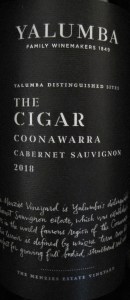
You may be glancing below at my picture of The Cigar and having images of Al Capone or The Godfather dance through your head. Actually, not quite the reference they were going for. According to Yalumba Winery, “The Cigar is named after the unique cigar-shaped strip of rich red terra rossa soil found only in the Coonawarra.” The soil gets its red color from iron oxide. It is ideal terroir for growing Cabernet Sauvignon, contributing to full body and excellent structure.

No, it does not taste like a cigar….

Here are some facts and my opinions about the
Yalumba The Cigar Cabernet Sauvignon 2018:

  • $38.99 at wine.com
  • Concentrated, full body, 14% ABV
  • Deep ruby, slightly opaque
  • Intriguing aromatics on the nose: mint/eucalyptus, floral (violet/lavender), blackberry, plum, hay, strawberry cream, black currant
  • Flavors: black currant, plum, cherry
  • Luscious, nice level of acidity
  • Strong fruit but it’s not center stage, more of a supporting character on the side
  • Beautiful tannins that are powerful, strong, and gripping but fine
  • Beautiful acidity that comes back up and around in your mouth so you keep craving another sip
  • Excellent, long, complex finish

This was a fascinating wine to try and I would gladly recommend it. Consider it a challenge to change up your usual red wine routine and dig into Coonawarra Cabernet Sauvignon!

Fun fact: did you know that the eucalyptus notes you often get in Australian reds are due to actual oils from nearby leaves blowing onto the vineyards? Strangely enough, the aroma compounds do end up in the wine!

Terroir.

Magical.

NatGeo Award Classics Campaign

Think Pink: International RosĂ© Day + Delish Salmon Recipe

Summer greetings, and Happy International RosĂ© Day! Take time to stop and smell the roses and rosĂ©s. 😉

RoseEarlier this month, I was very confused, but then some quick Googling cleared everything up (Googling usually has the opposite effect): in June, there is not only a National RosĂ© Day but also an International RosĂ© Day, which is today. I briefly panicked because I’d been planning to share this particular rosĂ© with you for some time, and was afraid I had missed my window of opportunity. Oh, the agony!

As a Washingtonian, I suppose picking a Columbia Valley RosĂ© isn’t very international of me, but for those of you not in the USA it qualifies. I’ll admit, I’m starting to enjoy rosĂ© more and more, but I even had to create a blog post category for rosĂ© 11 years after starting The Rambling Vine! So while I haven’t covered it much in the past, this one is worth mentioning, because it’s delicious AND the first type of rosĂ© I’ve had using this particular grape. I’m all for distinct and uncommon wines.

I’m also sharing a favorite recipe that is the ultimate easy, yummy, and gorgeous summer meal. It is charming with the wine.

For those not in the know, rosĂ© is a style of wine, not a wine made from pink grapes. 😉 Sorry to break the news. Red wine grapes are harvested, crushed, and the grape skins are allowed to soak with the grape juice for varying periods of time before being separated in order to impart anywhere from the lightest hint of pink to deep fucschia colors. RosĂ©s generally taste more like white wines but I’ve had some that really straddle the line between both red and white wine in terms of their body, tannin, acid, sweetness, and fruit profile. They truly run the gamut of styles.

Common grapes used to make rosé wines include Sangiovese, Barbera, Pinot Noir, Grenache, Merlot, Syrah, and Cabernet Franc (this is just a few examples).

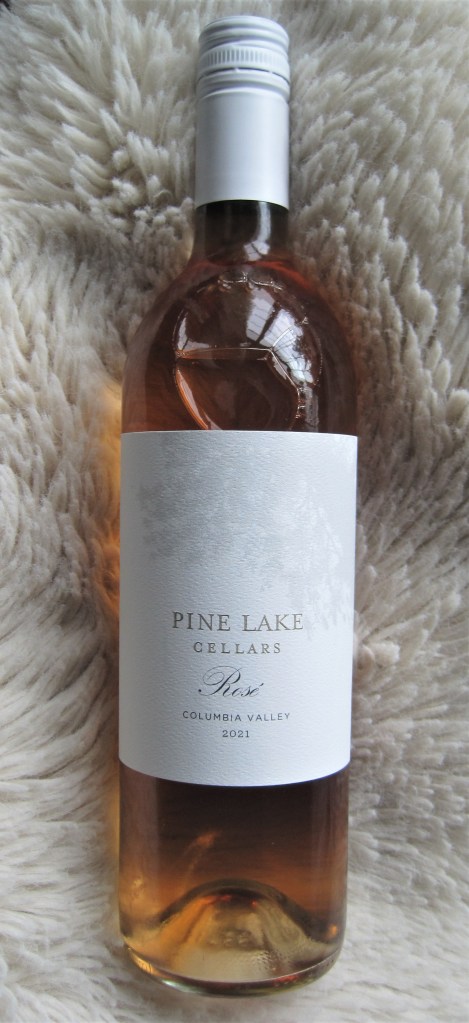
This rosĂ©, however, from the lovely Pine Lake Cellars of West Seattle, is made from Cabernet Sauvignon grapes from the Columbia Valley AVA, and is the only rosĂ© I’ve ever had made from this grape. Cabernet Sauvignon is the “king” of the red wines, and the ultimate steak dinner pairing. It was so interesting to taste this grape as a rosĂ© wine!

Glass of Pine Lake Cellars Rosé

I had to let it outside, it was begging

You can purchase this wine at the Pine Lake Cellars tasting room in West Seattle or through their website, which I’ve linked below. If you’re in the area, check out their cute, stylish tasting room that has food for purchase and is kid and dog friendly. They also feature outdoor covered and heated seating areas. My sweet friend treated me to a tasting here a few months ago and we had a stellar time.

Fair warning: they are running low on this rosĂ©, so if you’d like to try it, get on it. A different rosĂ© of Syrah will be showing up soon. I sincerely hope Pine Lake Cellars revisits this particular Cab rosĂ© in the future. In the mean time, I look forward to trying the Syrah rosĂ©.

Pine Lake Cellars Rosé of Cabernet Sauvignon 2021 Columbia Valley
Pine Lake Cellars Rosé

  • $25/bottle
  • ABV 13.8%
  • Serve slightly chilled
  • In the glass: color is pale copper pink, like traditional ballet tights (you dancers know what I’m talking about)
  • More medium-bodied, unctuous, mouth-filling, hint of sweetness, yet still with crisp, refreshing character
  • Nose: light cherry, honeydew, watermelon, rhubarb, tarragon (?)
  • Mouth: tangerine, plum, black currant cream, celery/fennel, gummy peach candy on finish
  • This is a lower acid rosĂ©

And here is one of my favorite easy summer recipes that goes “swimmingly” with the wine. 🙂

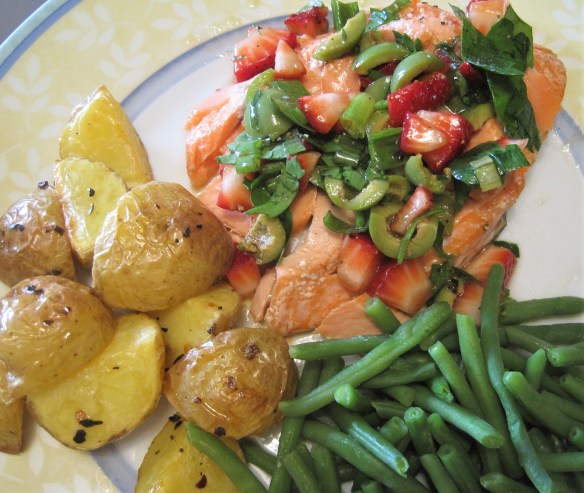
Salmon with Strawberry Scallion Tapenade

Copper River, baby!

Salmon with Strawberry-Scallion Tapenade
Recipe courtesy of Jamie Vespa, RD of Dishing Out Health
With my adaptations | Yields 4 servings
*Get that Copper River Salmon right now if you can!

INGREDIENTS

  • Ÿ cup diced strawberries
  • ⅓ cup pitted and chopped green olives (I recommend Castelvetrano olives)
  • Œ cup thinly sliced scallions
  • Œ cup fresh chopped cilantro or parsley (or a mix of both)
  • 2 Tbsp. red wine vinegar
  • 2 tsp. lower-sodium soy sauce or tamari
  • 4 Tbsp. extra-virgin olive oil, divided
  • 4 (6-oz.) skin-on salmon fillets or one salmon side to feed 4
  • Ÿ tsp. kosher salt, divided
  • œ tsp. freshly ground black pepper, divided

INSTRUCTIONS

  • In a medium bowl, combine strawberries, olives, scallions, herbs, vinegar, soy sauce, 2 Tbsp. of the oil, and ÂŒ tsp. each salt and black pepper; toss to combine. Set aside.
  • Heat oven to 400 degrees Fahrenheit. Blot salmon fillets or side dry with a paper towel, place on baking sheet, and coat flesh evenly with remaining 2 T olive oil, œ teaspoon salt, and ÂŒ teaspoon black pepper.
  • Place salmon in oven once preheated. Cooking time will vary depending on cuts of fish, but for a side of salmon I find 16-18 minutes is just right. Smaller pieces will take way less time. I prefer cooking fish in the oven to save time and especially to avoid oil splatter on the stove. Salmon should be cooked to a safe internal temperature of 145 degrees Fahrenheit.
  • Transfer salmon to a serving platter and spoon tapenade over top.
  • Perfect with fresh bread, arugula salad, and Pine Lake Cellars RosĂ©! 🙂

Let me know if you try this wine and/or make this recipe.

Cheers to pink food and drink (and even a kitchen sink)! 😉

Wine in Sacred Places

In Which I Discover Phenomenal Cabernet from Mosquito Fleet Winery

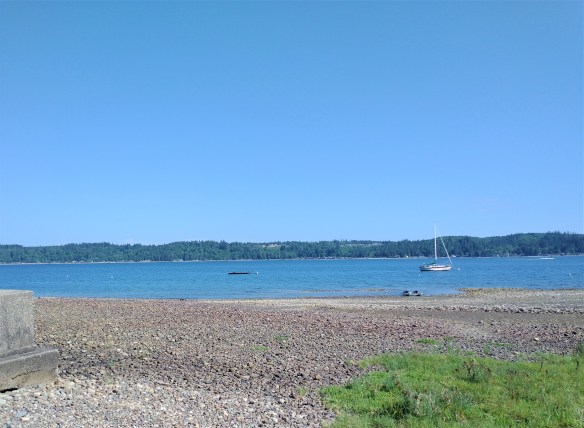
Do you have those sacred places on earth where you feel at home, or somehow closer to heaven because of the beauty of the place? Is it a beach, a mountain, a cute small town? Hood Canal, WA is one such place that holds a special spot in my heart. My great-grandparents built a cabin out on a piece of property right on the water, and it’s still standing and in the family! It has been a huge part of my life, from childhood through parenthood. It’s been a refuge, especially during the pandemic when we were isolating and being careful. A place to fully relax and be.

Hood Canal

My sacred place… Hood Canal

In recent years, every time my husband and I would drive out for some down time at the cabin, we would pass by a tasting room in Belfair with “Mosquito Fleet Winery” printed in elegant script across the building, tempting us with the prospect of delicious wine. A wine-tasting room to me is like an iPad to a kid – very very hard to resist! 🙂 Every time we passed it we said to ourselves, “We’ve got to stop in there sometime.” But with young children in tow, and often on a tight schedule, it just didn’t happen.

Mosquito Fleet Winery SignageWell, we finally DID stop in – last summer, I believe. Our kids were with us but they are older and better able to handle the occasional wine tasting with Mom and Dad every once in a while. It’s not like it takes all day to sip 5 or 6 wine pours… it’s good to learn some patience and that the day is not just about what they want to do. The people working at the tasting room were very kind and even gave the kids some popcorn and juice for a snack.

I should pause a second and give you a quick bit of history on the winery’s name. And I must say, it’s nice to have a Washington state winery pay tribute to local history rather than donning an awkward mock French name like ChĂąteau Belfair or Domaine du Canal. 🙂 Also, while there are literal fleets of mosquitos at Hood Canal (I wish they didn’t love me quite so much – must be the wine in my bloodstream?), the name has no connection to that ecological fact. 😉

For those of you unfamiliar with the name, Mosquito Fleet refers to the fleet of various steamboats that transported people and cargo throughout the many waterways of Washington state, from the inlets of Puget Sound and the San Juan Islands, from the 1840s until about the 1950s. Mosquito Fleet Winery honors the spirit of bringing people together through their wines. I love it!

Anyway, hubby and I each did a tasting and enjoyed the wines presented. We wound up going home with a gorgeous bottle of Mosquito Fleet Cabernet Sauvignon Columbia Valley 2019. To me, this was a standout wine – the kind of excellent Washington Cabernet Sauvignon you can pull out and enjoy with an equally excellent steak dinner, or simply to savor uninhibited. Perfect for Memorial Day BBQ fare, I may add.

Here are the details of this particular wine:

Mosquito Fleet Winery Cabernet Sauvignon

Divine wine from Hood Canal: Mosquito Fleet Winery Cabernet Sauvignon

355 cases produced
$45/bottle
13.8% ABV
95% Cabernet Sauvignon, 5% Cabernet Franc
From the winemaker: “A beautiful Cabernet Sauvignon with notes of blueberry, blackberry and anise. It has a beautifully full mouthfeel with nice, juicy acids and beautifully rounded out tannins that linger. It was aged predominantly in new French oak barrels which lend a nice aroma of oak and elegance.”
My impression: superb fruit, rich yet elegant, appealing texture, noteworthy balance – a wine of outstanding quality! ❀

Mosquito Fleet Winery prides itself on producing wines that are “hand-crafted with time-tested ‘Old World’ winemaking techniques of centuries past. This small lot, labor intensive approach helps produce memorable wines and memorable times for any occasion.”

As someone who just purchased a very disappointing bottle of cheap-sad-crap-red from the grocery store for our latest excursion to the Canal (I’ll blame the economy, whether I’m justified or not), I understand and appreciate the effort that goes into crafting fine Cabernet Sauvignon using the best fruit, the best winemaking techniques, and new French oak barrels. There is such a difference, and while I can’t afford to drink higher-priced wines every day (let’s be real, I don’t drink wine every day), if I want to experience real pleasure from a wine, I usually have to spend a bit more. But it’s well worth it. There truly is nothing like a truly fine wine. Truly. 🙂

Hood Canal is a beautiful place to relax and unwind, especially with a visit to Mosquito Fleet Winery thrown in. Go try it sometime. Maybe it will become one of your special places. ❀

Drinking wine at Hood Canal

Full disclosure: this was not Mosquito Fleet Cab, rather, ’twas a bland and mediocre substitute, but I was still determined to enjoy my time at the beach! 🙂

Let’s toast to those who made the greatest sacrifice on this Memorial Day 2023. ❀

American Flag and MoonSpecial thanks to Jacquie for your assistance in answering my questions!

Nat Geo Wines of the World

Revelry Cab: The Perfect Choice for Your Holiday Revels

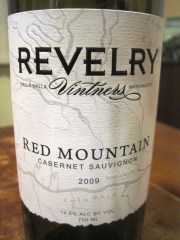
Revelry Vintners Red Mountain Cabernet Sauvignon 2009 Walla Walla

Happy, merry, gay, gleeful, blissful, carefree, joie de vie, ah, words

This wine is "revelicious!" Photo by Brenna Arnesen.

This wine is “revelicious!” Photo by Brenna Arnesen.

that should be apropos adjectives of all holidays. I hope that between December 1st and January 1st, your days are filled with festivities, loved ones, good food, and great wine!

Here is one word you might want to add to your favorite word (and wine) stock pile: Revelry.

Revelry Vintners makes terrific wine. When my husband and friend and I were in Walla Walla this fall, this was one of the wineries we stumbled into that we hadn’t researched and reviewed ahead of time. More often than not, when I venture into a tasting room I haven’t heard of before, if it’s recommended by another tasting room, it’s generally outstanding. I fell in love with a couple of their reds and especially their Riesling, which I plan to review later.

For now, I’m sticking with their grand master red, their 2009 Red Mountain Cabernet Sauvignon.

This is a perfect description of Revelry’s style, from the winery (I couldn’t have said it better myself): “Revelry Vintners offers award winning, premium wines with incredible complexity and depth of character. With a tradition of excellence deeply rooted in respect for the dynamic viticulture movement of Washington State, Revelry’s innovative craftsmen embrace a bold, visionary approach to winemaking.”

These were my first impressions I jotted down:

“YES PLEASE! Good structure, a cab with backbone, but still great fruit and a fine overall mouthfeel. Highly recommend, wish I had bought two bottles. 85% Cab, 15% Merlot.”

For those of you who, like me, enjoy a bit more detailed description to enhance the tasting experience, here is an excellent review by Rand Sealey (Review of Washington Wine, August 2012) taken from the winery’s website:

“Combined with 15% Merlot, this is an impressive rendition of Red Mountain Cabernet. Deep ruby colored, it emits seductive aromas of blackberry, huckleberry, cassis, crushed roses, mulberry, sandalwood, cigar box and smoldering incense. The dark fruit flavors are thick and true to variety, underlain with dark chocolate, black licorice, Sumatra roast and Red Mountain scorched earth and minerals. The saturation continues on the back with sensations of macerated berries, kirsch liqueur, and touches of graphite, toasted nuts and toffee, followed by a judiciously (60% new French) oaked moderate tannin finish. Fruit and terroir driven, this is approachable now, but age-worthy for 2-5 years.”

I know this long list of flavors might seem overwhelming and verbose, but really, it’s a spring board for YOU the consumer to appreciate the many nuances and subtleties of this spectacular wine. Some flavors you will pick up on, some you won’t, and that’s OK. It’s meant to give you an idea of what to look for. Kind of like a ballet barre; it gives you the support you need to execute your own personal assessment of the wine once you’re dancing center stage by yourself.

When reading a wine review or tasting notes, keep in mind the writer is following the sequence of how we experience wine in stages; it’s a description of how it’s hitting you. First, when you inhale, then when you sip, where in your mouth it hits and what flavors/textures/characteristics you will notice first, second, third, fourth, and then the finish. It’s almost like a 30 second musical composition, or a poem.

Because of the price, this wine is best suited for special occasions.

As it is Christmas Eve, I urge you to take note of this wine and perhaps use some of your soon-to-be spending money on this special wine. Then revel in what a great selection you made as you enjoy it with friends!

Merry Christmas!

Cheers,
The Rambling Vine 🙂

Let’s Mull This Over…

Mulled Wine Is Divine at Christmas Time (or Any Time)

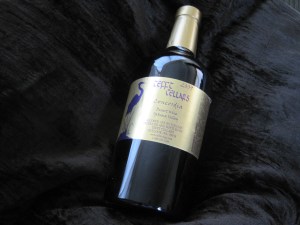
*Update 2023: Sadly, Tefft Cellars and their one-of-a-kind Concordia Port are no longer. Look for a ruby port or other port-style dessert wine for a similar pairing. A good excuse to go wine tasting, don’t you think? 😉 

With the Christmas season comes a slew of hot, sugary, comforting, yet semi-disgusting

This is the perfect port to use in mulled wine. Photo by Brenna Arnesen.

beverages… peppermint mochas, hot buttered rums, caramel apple cider, espresso with egg nog and rum, salted caramel lattes with bourbon (OK, fine, you caught me on that last one). But really, it’s kind of gross when I drink something like that, and imagine the millions of calories entering my bloodstream that I really don’t need after all the chocolate or cookies or other crap I’ve been eating this time of year, and feel terrible afterwards. Something simpler is clearly in order!

Why do we feel the need to expand exponentially on the classics? Why can’t we celebrate the basics and indulge in simplicity? This is why I would like to propose a return to simpler times, to delicious, decadent-yet-not-overly-so, satisfying mulled wine. I’ll bet you’re surprised to learn it’s mulled wine, not MOLD wine.

Mulled wine is for winter what sangria is for summer. Except instead of Spain or South America we venture to the cold Northern European countries and pictures of children  building snowmen, bright copper kettles and warm woolen mittens come dancing into our heads, causing us to crave this soul-warming winter beverage. This is the drink of Christmas time: sweet, spicy, citrusy, woodsy, aromatic, and above all, hot! The perfect way to celebrate Joy to the World!

Look no further, this recipe for mulled wine is sheer perfection. Yes, it’s sweet, but at least you can say it’s real wine, sugar, fruits, and spices. Probably a little bit better than some of those other holly-jolly-nightmare beverage concoctions. Definitely share with friends!

Per my friend’s request, here is a mulled wine recipe (part one of two, actually). I got this recipe from the lovely folks at Tefft Cellars. My husband and I will be making this every year, for as long as we both shall live.

Recipe for Hot Mulled Wine (aka Tefft’s Winter Warmer)
3 c. Cab or Merlot
4 oz. Concordia Port (or other ruby port)
5 whole cloves
1/2 c. sugar
1/2 c. water
1 tsp. ground nutmeg
2 tsp. ground ginger
1 orange, peeled and chopped
3 cinnamon sticks

In a crock pot or dutch oven, begin warming wine, port, and water. Add orange and other ingredients. Adding sugar when wine is warm will help it dissolve more easily. Warm gently (avoid boiling) and enjoy!

Drinking Inside the Box: A Review of Black Box Cabernet Sauvignon

The notion of drinking wine from a box, admittedly, causes many of us to flinch, shake our heads in pity, or shudder from horror. Images of Franzia Blush Zinfandel in my parents’ basement fridge come to mind, and leave me with conflicting feelings. I’m in the age range where I personally never drank boxed wine (just my parents), but the current stigma of drinking wine in a box puts one to shame for even thinking of trying it. It therefore seems an off-limits purchase reserved for dive bar establishments, desperate housewives and borderline alcoholics.

But why the prejudice? After all, you can’t judge a wine by its artsy label or sexy bottle shape, any more than you can judge a book by its cover. Wine is ultimately judged by its taste. One company took this challenge to task and flat out shattered the stereotype that all boxed wines are bad. In fact, there is one in particular that is very good. This boxed wine label has several key advantages: quantity, value, freshness and taste that last a long time, and sustainable packaging.

I ordered a glass of Black Box Cabernet Sauvignon while on vacation recently in Leavenworth. I was in a beer garden, feeling rather anti-beer, and this was the house wine, and I thought, what the heck, let’s give it a shot. I have to say, it wasn’t bad; in fact, it was quite tasty to drink! It’s an absolute bargain if you need a larger quantity of wine in a pinch for a party. Here is why you should try this wine, from the winery:

“What’s the most delicious way to enjoy acclaimed wines without a hefty price tag? Lose the bottle. In 2003, Black Box Wines redefined the category by becoming the first U.S. vintner to offer super-premium, appellation-specific, vintage-dated wines in a box. Since then our expanding repertoire has earned 28 gold medals in wine competitions nationwide, yet still costs 40% less than comparable* bottled wines.

“Our superb grapes are harvested from world-class appellations, including California’s storied wine country and the acclaimed vineyards of Argentina and New Zealand. Through a meticulous, traditional winemaking process, Black Box Wines are crafted to be food-friendly and fruit-forward—all without the expense and fuss of bottled wines. So whether you crave sumptuous reds or crisp whites, you’ll delight in the quality and value inside every box.

“The grapes that create our full-bodied Cabernet Sauvignon are grown within reach of cooling Pacific Ocean breezes that extend the growing season. Offering a lush display of dark berries, our Cabernet Sauvignon’s smooth tannins create a soft, lingering finish. Spicy cinnamon and vibrant black currant aromas accompany warm notes of vanilla and toasty oak for an irresistible, approachable glass of wine.”

Their 2009 California Cabernet Sauvignon earned a Gold Medal at the 2011 Winemaker Challenge, and in 2012, Wine Enthusiast Magazine awarded the 2010 vintage a “Best Buy.”

If that didn’t shake up your stubborn notions about boxed wine, perhaps trying a glass of the real thing will.

Here’s to thinking outside the box while drinking inside the box!

A Matter of Trust

Leo, master of the phrase “Do you trust me?” (I think Kate is relaxed only because she’s monkeyed  up… and Celine Dion is cooing romantically in the background.)

Trust Cabernet Sauvignon

Trust me: one of those phrases that is easy to ask of another yet difficult to do when you yourself are asked. Trust is a word that carries with it a lot of weighted implications
 who or what you put your trust in reveals who or what you deem worthy of trust. Trusting too easily can signify a naivete or intentionally turning a blind eye to foibles, while failing to trust reputable, good, honorable people and things will mean you’ll go through life without taking risks and developing little faith. Without getting into further philosophical babbling, let me be bold enough to ask you to trust me (no, no teetering on ship balconies involved, you can relax) on this wine recommendation: this wine is dynamite. It is pure, delicious indulgence, and people will grow to trust your wine recommendations when you tell them about Trust Cellars Cabernet Sauvignon.

This is a wine that begs to be decanted. Only when you let it breathe will you be completely overwhelmed by its sheer power and finesse. The first time I tried it my in-laws were gracious enough to bring some over to our house for dinner, and it instantly became one of my new favorite wines. Then, when my dear friend bought me a decanter, we had a bottle that we poured in, let it decant a couple hours, and wow! This wine unfolded like a butterfly emerging from a cocoon. Let it stretch its gorgeous, stunning wings. It has all the right stuff of a top-notch Washington Cabernet Sauvignon. Perfection!

As the tasting notes gush, “We are greeted here with a nose full of cherry cordials: high-cacao chocolate, Kirsch, and a pie cherry in the middle. The fruit here (cassis, plum, and black cherry) has purity and focus, and it is framed by fresh notes of eucalyptus and green tea. This is balanced, elegant, food-friendly Cabernet: moderate in body, acid, tannin, and alcohol.” The 2007 blend is currently sold out, according to the website. Seattle Magazine has voted Trust Cellars “Best Washington Wine” for 2011.

Wine can bring us together around its delicious self, and, perhaps in a very small way, help us to understand each other better and work on our trust. I’m not advocating for drunken debauchery, of course, but strangers or friends enjoying a glass of fine wine together is a deliberate act of peacekeeping. Wine can’t save us from ourselves or save the world, but it can at least help smooth the way.

Puget Sounders, make it a point to visit their Woodinville, WA tasting room. When I went there I experienced fantastic wines, friendly service, and excellent education on their wines. Their Riesling is also lovely, pick that up, too!

May we all embrace the gift of trust.

That’s Amore: Good Things Come in Threes With Tre Amore

“When the world seems to shine like you’ve had too much wine that’s amore” ~ Dean Martin

Spicy, Sexy, Sultry: Wow, All Three?

They say that bad things come in threes and that three is a crowd. But they also say that third time’s the charm. Regardless of your personal superstitions surrounding the number three, don’t let them get in the way of trying Chateau Faire Le Pont’s 2007 Tre Amore red blend, which consists of 52% Cabernet Sauvignon, 27% Sangiovese, and 21% Merlot. This is Washington wine done in the style of a Super Tuscan blend (Sangiovese blended with Bordeaux grapes like Cab and Merlot).

From the tasting notes: “Cabernet Sauvignon from Steve Elerding’s Desert Vineyard in the Horse Heaven Hills blended with Milbrandt Vineyard’s Sangiovese and Merlot from the Wahluke Slope. Marries intensity and elegance. Full-bodied, rich and layered. Delivering a combination of red and black fruit flavors, the blackberries, black currants, raspberries and chocolate covered cherries meld perfectly with the mocha hazelnut aromas and velvety tannins on the long, smooth finish.” $40 per bottle on the winery’s website. (Price and grape blend percentages subject to change over time).

(Ahem) Did you notice the names I underlined above? A little advice: those are all really good names to look for when you’re selecting a fine Washington wine, as they are all excellent vineyards and AVAs in Washington state (an AVA is an American Viticultural Area, or a designation regarding recognized winemaking regions of the United States).

Wahluke Slope is one of my favorite AVAs. We also vacation there each summer with our dear friends who love Budweiser, hate wine, but love soaking up the sun, and that’s all the grapes do there, too… soak up absurd amounts of sunshine until they are dark, juicy and sugary-plump on the vine like fat chocolate truffles. The reward is BOLD, rich, delicious wines.

When my husband and I tasted Tre Amore last summer in Wenatchee (the home of Chateau Faire Le Pont’s winery and tasting room), it blew our minds. Plain and simple. As if that weren’t enough, Tre Amore took home the gold at the Beverage Testing Institute for 2010. We have a winner, folks!

Make sure to drink it soon, or cellar it properly according to the winery’s instructions. Introduce this wine to a steak with sautĂ©ed Portobello mushrooms or some pasta with marinara sauce and fresh herbs. Does life get any better than fine meals like this?

I will have more reviews coming soon for other wines from Chateau Faire Le Pont. One of my personal favorite wineries! You truly can’t go wrong with anything there.

Now that’s amore!

Hailing A Cab? You’ll Need 14 Hands


If only hailing a “cab” were as easy as hailing a cab… wave your hand in the air and POOF! A bottle of 14 Hands Cab!

Disclosure Statement: This post contains affiliate links. When you click on an affiliate link and make a purchase, I receive a commission at no additional cost to you. All opinions are my own.

14 Hands Cabernet Sauvignon

I’d like to hail a cab, a very special cab (sorry, yellow taxi, not you)… 14 Hands Cabernet Sauvignon, to be specific. So pay attention! This is one of the Rambling Vine’s ultimate, go-to red wines; full of great fruit flavors and exhibiting great, overall harmony and balance. I can’t tell you how many people I have recommended this wine to
 even perfect strangers at the grocery store. Then when I see them next week they bow down before me with burnt offerings and
 yeah, not exactly. But they gush over this wine, and you will, too!

Now, when I talk about 14 Hands Cab, keep in mind I also hold their Merlot in very high regard, so their Merlot is also a “not-to-be-missed” wine (I am writing about the Cab, selfishly, because I could think of more puns). Whether you like Cab or Merlot is sort of like asking a 14 year-old girl whether she’s Team Edward or Jacob
 they’re both delicious in their own ways, just with slight differences. It’s a matter of comparing apples and oranges. So I don’t think you’ll have a problem with either one. Au contraire, they are both fabulous.

For a while the 14 Hands’ single varietals Cabernet Sauvignon and Merlot were only available at restaurants. The winery sold their Hot to Trot Red Blend in stores (also exceptional
 another post for another day), but fans cried out for their Cabs and Merlots. Hallelujah, these are now also available to the general drinking public! In my not-so-humble opinion, this is the apex of affordable, extremely smooth, drinkable, high quality Washington red wine.

I secretly hope Washington wine doesn’t get too popular and correspondingly expensive (or worse, of inferior quality). That would be devastating. It’s definitely gaining more and more fans around the globe, and for good reason. Until that day comes, drink up! If this is your first foray into Washington red wine, this is my highest recommendation to you.

Cheers!