Prickly Pear Margaritas for Cinco de Mayo (and Beyond)

Disclosure Statement: This post contains affiliate links. When you click on an affiliate link and make a purchase, I receive a commission at no additional cost to you. All opinions are my own.

Cinco de Mayo is happening this Friday. Or, for those whom the actual holiday has no personal cultural relevance, Cinco de Drinko: a day for Americans to down Margaritas and Mexican food.

I hope you enjoyed my post on Mexican wine, but – de veras – this holiday demands a Margarita. Nothing short of a Margarita will suffice for today. And this Margarita recipe is sin igual in terms of show stopping good looks and jaw dropping flavors.

This recipe is courtesy of Keli Sim DeRitis – an artist, designer, passionate cook, teacher, and tour guide. Her business, Poggi Bonsi, offers all manner of gorgeous and delicious things, including cooking classes, European tours, and special import gifts and food items for your home kitchen.

My husband and I took a cooking class with her a couple years ago on Sicilian cooking and wines and it was fantastic and utterly delicious! You can buy her cookbook on Amazon (As an Amazon Associate, I earn from qualifying links), which includes several themed menus grouped by European travel destination. Check out her website for more information.

What makes this Margarita extra special is the Prickly Pear syrup. Prickly Pear is a flowering plant of the cactus family, and according to the Mayo Clinic is reputed to help treat diabetes, high cholesterol, obesity, and hangovers.

Laugh. Out. Loud. Combining this lovely plant with sugar and alcohol per-rob-ably won’t help with the above ailments, but, like the overweight American who orders the Diet Coke with the huge cheeseburger and extra large French fries, we optimistically and ignorantly think that one small “good” deed outweighs all the other poor dietary choices.

Gotta laugh at ourselves, right? 😉

This Magnificent Magenta Margarita is not only supremely photogenic, its refreshing and diverse flavors sweep over you and ferry you to Margarita bliss.

Give it a try, I’m pretty sure you’ll love it. 🙂

Recipe notes: I doubled the recipe to make 2 drinks. Use only fresh-squeezed lime juice. For the sugar/salt/lime zest mix for the glass rim, massage the three ingredients together with your fingers to release those lovely lime essential oils.

*Prickly pear syrup can be purchased online. Look for Cheri’s Desert Harvest. The only ingredients are sugar, prickly pear cactus, lemon, and citrus pectin. And yes, that color is real! (As an Amazon Associate, I earn from qualifying links).

For an alcohol-free mocktail: throw some prickly pear syrup, fresh-squeezed lime juice, and club soda together. ¡Deliciosa!

PRICKLY PEAR MARGARITA

Prickly Pear MargaritasIngredients

  • 3 ounces tequila blanco (aka silver tequila or tequila plata)
  • 1/2-ounce Cointreau or Triple Sec
  • 1 1/2 ounces freshly-squeezed lime juice
  • 2 ounces prickly pear syrup*
  • 1 teaspoon sea salt
  • 1 teaspoon turbinado sugar
  • 1 teaspoon lime zest
  • Prickly pear or lime slice for garnish

Directions

  1. Pour the tequila, Cointreau, lime juice and prickly pear syrup into a cocktail shaker filled with ice. Shake vigorously to incorporate. Alternately, you can blend the cocktail ingredients with ice in a blender.
  2. Combine the salt, sugar, and lime zest on a small plate. Run a slice of lime around the rim of a chilled glass and dip into the mixture and coat the edge.
  3. Fill the glass with ice and pour in the margarita. Garnish with a prickly pear slice (available at many Hispanic and Asian markets) or a slice of lime.

Mexico: Land of Cerveza, Tequila, and… Vino?

Disclosure Statement: This post contains affiliate links. When you click on an affiliate link and make a purchase, I receive a commission at no additional cost to you. All opinions are my own.

In which I try a red and a white wine from Mexico….

Cinco de Mayo is just around the corner, and our cherished Mexican restaurants are about to get CA-ROWDED. (A little trick of mine – eat at an Irish pub on Cinco de Mayo and eat at a Mexican restaurant on St. Patrick’s Day). After all, for most Americans, it’s about the spirit of the celebration, not the actual date, right? 😉 Yep, hasn’t failed me yet.

After fantasizing over chips n’ guac for a moment, I stopped to ask myself if I had ever had any MEXICAN WINE before. No, I don’t believe I have, I concluded. So self and I went to wine.com and searched for Mexican wine, and then ordered some.

Pack your bags and grab your sunglasses and sandals, we’re heading south of the border for a quick tour! This is for those of us who prefer wine over cocktails, and are curious enough to try a different Mexican beverage. It’s not Cinco de Mayo without Margaritas, claro que sí, but just for fun, since this is a blog dedicated to having fun exploring wine, let’s try some Mexican vino together.

(To whet your appetite, I do have a delectable Margarita recipe coming your way later this week. Watch for it, it’s a beauty!)

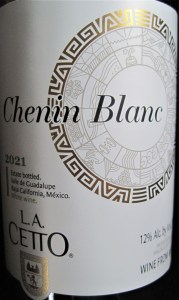
Wine #1: L.A. Cetto Chenin Blanc 2021
L.A. Cetto Chenin Blanc

  • $11/bottle at wine.com
  • 12% ABV
  • Estate bottled/Valle de Guadalupe/Baja California, México
  • Pale yellow with greenish hues
  • Light body, oily texture
  • Strong, refreshing acidity
  • The nose is lovely and highly aromatic. Aromas and flavors include: honeysuckle, peach, yellow apple, pear, honey, banana, melon

Something I did not know about Chenin Blanc is that it maintains a strong level of acidity, even under warm growing conditions. Normally grapes grown in warm climates develop higher levels of sugars than acids.

This would be stellar with fish tacos or pollo a la crema. I tried it with jalapeño-pickled green beans, brie cheese, and whole grain crackers to cure late-night grumbling stomach woes. Great flavors and pairing!

I was surprised by this little Chenin Blanc – it was very nice!

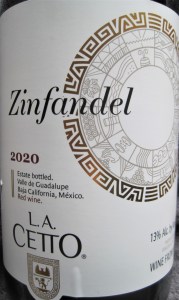
Wine #2: L.A. Cetto Zinfandel 2020
L.A. Cetto Zinfandel

  • $11/bottle at wine.com
  • 13% ABV
  • Estate bottled/Valle de Guadalupe/Baja California, México
  • Medium ruby with magenta tint
  • Light body, medium acidity, dry
  • Tannins are soft, gentle, in the background
  • Moderate finish
  • The nose is really lovely. Initial aromas: peach pie, cinnamon, juicy fresh strawberry, red cherry, watermelon, rhubarb, lemon blossom, pepper, clay. After several days of being open, it showed strong hibiscus, cranberry, and cherry.

My guess before I even tried this was that it would be highly similar to a California red – full body, higher alcohol, lower acid, off dry/residual sugar, and moderate tannins.

Here is what I discovered: this Mexican Zinfandel was absolutely nothing like any other Zinfandel I’ve ever had before. Not even Italian Primitivo, which is genetically similar to Zinfandel.

This was quite different from the dark, inky Zinfandels I’m accustomed to; it lacks the complexity, full body, and moderate tannins. I don’t know if that is an issue with the grapes or the winemaking. Truth be told, even though Zinfandel grapes produce dark, rich wines, their skins are actually rather thin, which should translate to lighter bodied, less tannic wines.

This wine was interesting in that it was so unusual from what I’ve typically experienced in Zinfandel. It does develop more complexity after a few more days of being open, and good on it, it is quite long-lasting without suffering the ill effects of extended bottle opening.

Treat this Zinfandel like a light, juicy, fresh red, and it will make you happy. This Zinfandel could be muy complementario with chile verde. I haven’t tried it, but if you do, let me know if it worked. 🙂

In conclusion, I personally preferred the Chenin Blanc overall, but I would recommend trying both (at only $11/bottle, they are each an easy way to explore Mexican vino). The Zinfandel was fine; it was just unusual for Zinfandel and that was why I had a hard time comparing it. But if you can treat it with an open mind, especially if you’re not a huge California Zinfandel fan, you might actually enjoy this wine. L.A. Cetto also makes a Chardonnay and a Cabernet Sauvignon. Wine.com also offers another label from Mexico that is spendier and from a different region, which I have not tried.

Have you ever had Mexican wine? Comment below!

Nat Geo Wines of the World

Hooray for Viognier!

To my white wine drinking readers, let me offer my sincerest apologies… the last several posts have all been on BBRs (big bold reds). You are no doubt growing impatient as you wait for me to recommend a great white that is not a shark. Tell you what: we’ll change things up today and shift gears with a BBW (big bold white), how ’bout? 🙂

Hooray for Viognier! Today is International Viognier Day, and boy am I excited. Viognier (vee-ohn-yay) is perhaps my favorite white wine ever, and if you haven’t tried this wine yet, hold on to the edge of your seat, because you are in for a treat! 🙂

Viognier is a grape that almost didn’t survive. That would be a miserable world, let’s not think about that. But there were only a scant number of acres of it hanging on for dear life in the Rhône Valley in France in the 1960s when some erudite drinkers smacked themselves up the sides of their heads and said, “Wait a second, this cannot and shall not be!” Good on them for rescuing this lovely grape from virtual extinction.

While Viognier is still not terribly common, it is now cultivated around the world. In the USA in particular, California and Virginia are well-known regions for growing Viognier. Oregon and Washington also grow excellent Viognier. In France, Viognier wine is known as Condrieu (remember, many European wines are named by place not by grape variety).

When I learned International Viognier Day was rolling around, it did not take me a single moment to decide which Viognier to write about: the 2020 Signature Viognier from Bacovino Winery (see my post on their incredible Sangiovese). Sourced from Walla Walla Valley grapes, it is fragrant, rich, and full-bodied but still with pleasant, refreshing acidity.

Bacovino Signature Viognier Walla Walla Valley

Bacovino Signature Viognier Walla Walla Valley

Here are the details and my impressions of the wine:

  • $27/bottle at Bacovino Winery
  • Fermented in 100% stainless steel. Whole cluster press, settling for one day, cold fermentation in stainless, lees stirred weekly, traditional cold stabilization in stainless, then bottle aged for 3 months
  • 14.5% ABV
  • Pale straw color
  • Rich, full body, supple mouthfeel, honey-like texture
  • Medium acidity
  • Enchanting aromatic bouquet: honeysuckle, grapefruit, stone fruit (peach or nectarine), and some tropical fruit also (kiwi and/or lychee)
  • Refreshing citrus and melon flavors on the palate

I love wines from the Walla Walla Valley AVA, so I asked Bacovino winemaker Randy Brooks why he chose this particular AVA for Viognier grapes. He responded:

“Walla Walla is perfect for growing Viognier, warm days and cool nights preserve the natural acidity of the grape while allowing the gentle development of both aromatics and body. Viticulturists in Walla Walla have a wealth of experience growing some of the highest quality Viognier in the world, allowing us to make a well-balanced wine that is expressive and can be enjoyed throughout the year.”

Randy likens his Viognier to a warm spring day and notes that it “pairs exceptionally well with Thai food.”

There you go, folks! We just solved your Friday night dinner and drink dilemmas: Thai food and Bacovino Viognier for the win! 🙂

So how do we get our paws on this wine? the ravenous white wine drinkers demand. Well, you can order it through Bacovino’s website or purchase directly at the winery.

Sadly, Bacovino has low stock of this wine right now, and is not planning on making any more Viognier for the time being (noooooo!).

So, as Janis Joplin sang, get it while you can! Because once it’s gone, it’s gone!

Do you love Viognier as much as I do? Comment!

PS: Go taste wine at Bacovino soon! Or if you can’t get there in person, you can order their wines online. Here are all of their new releases (see website for several other current releases). Plenty to keep you busy, and let me tell you, they are fantastic! ❤

Signature Chardonnay – Ancient Lakes of Columbia Valley
Signature Rivalon (blend) – Columbia Valley
Signature Counoise – Red Mountain
Signature GSM – Red Mountain
Vintner’s Merlot (extended oak aging) – Yakima Valley
Vintner’s Cabernet Franc – Columbia Valley
Vintner’s Petit Verdot – Red Mountain
Reserve Syrah – Red Mountain

Drink 96 Cedars for Arbor Day

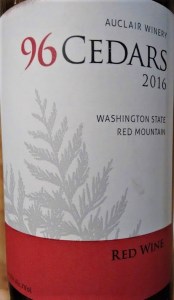
Planting trees is good work. So is making wine. Happy planet, happy humans. As a nod to Arbor Day this coming Friday, I found the perfect wine for you to enjoy: Auclair Winery 96 Cedars Washington State Red Mountain Red Wine. This wine is an homage to the exceptional grapes of Washington State (specifically the Red Mountain AVA) and to the trees that keep our Evergreen State verdant and beautiful.

I bought this delicious Bordeaux-style red blend a few years back at Costco for around $20/bottle. The 2016 vintage was comprised of 38% Merlot, 31% Cabernet Franc, 25% Cabernet Sauvignon, and 6% Petit Verdot. A large part of the reason I bought it was I got the chance to taste it in the store, along with another Auclair wine they were pouring. I wish more stores did in-store tastings; it’s effective and leads to increased sales. My notes from the time declare, “Very, very good! Will buy again.”

Let’s have the winemaker share with us about this bargain bottle from the 2019 vintage:

Auclair Winery 96 Cedars Washington State Red Mountain

The ultimate Arbor Day wine: Auclair Winery 96 Cedars Washington State Red Mountain

“This wine is a classic Bordeaux blend of Cabernet Sauvignon, Merlot, Cabernet Franc and Petit Verdot, all grown on Red Mountain. The nose starts out with rich dark fruit, a floral element and some nice interesting spice notes. Allowing this wine to open up (and it does need time!) will bring depth and structure to complement the rich, dark fruit. The palate is rich, and full with dark plum, rich cherry, blackberry liquor, vanilla, and spice all show up for your enjoyment. The finish is dark, smooth and very, very long. This wine is structured and can be laid down for some time or you can enjoy it young in its youthful fruit forward stage.”

So why is this wine called 96 Cedars? For Earth Day 2007, Charlie and Debbie Auclair purchased 100 cedar saplings for planting on their property: “4 were planted at our home. 96 were designated for our mountain lot. Little did we know the work we had signed ourselves up for! This wine is dedicated to those trees and the work we put in that day planting them. Enjoy!”

My brief search on Costco.com leads me to believe they no longer carry it, but I could be wrong. Your local Costco warehouse might also prove otherwise.

You can sample 96 Cedars and other fantastic looking wines at Auclair Winery’s Woodinville tasting room by arranging an appointment here.

Your best bet is to purchase directly through Auclair Winery.

And purchase it you should! 🙂

Budget-Friendly Organic Wines for Earth Day

Disclosure Statement: This post contains affiliate links. When you click on an affiliate link and make a purchase, I receive a commission at no additional cost to you. All opinions are my own.

Have you ever wondered about organic wines? Are they really that much better? Are you doing right by Mother Earth by buying organic wine? So many questions, and more than I can unpack here today, but I’ll do my best to skim the surface and give you a couple good organic wine labels to look for.

When I eat certain organic produce I usually taste a difference with better flavor. But price is also a factor in my food choices, as is size/yield (anyone ever seen those super tiny mandarin oranges? I just can’t bring myself to buy those). Lots of variables to consider with no cut and dry answer, and everyone has their own unique needs and situations.

It’s smart to recognize all things are not necessarily as they seem, and it’s worth investigating some facts about organic practices before buying whole hog into the organic religion. This article from Tiffany at frugal food/healthy living blog Don’t Waste the Crumbs has some interesting information on what “organic” actually means (as it pertains to the United States Department of Agriculture, not necessarily other organizations/countries) and how allowances in practice vastly differ from what is portrayed through their marketing claims.

While there is a lot of debate and controversy over conventional vs. organic farming practices, one thing (I think) we can all agree on is the need to care for the earth and not just decimate the soils supporting our beloved crops. Amen?

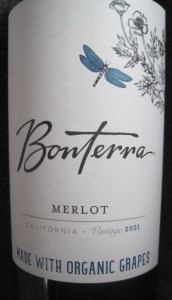
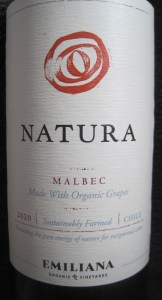
Here are two wines I picked out to spotlight in honor of Earth Day. Both use organic grapes and both are very reasonably priced at under $14/bottle. I have tried both Natura and Bonterra brand wines in the past and very much enjoyed both (I originally tried a Natura Carmenére and an unknown red from Bonterra).

Bonterra Merlot 2021

Bonterra Merlot 2021

Bonterra Merlot 2021

  • $11.49/bottle at Total Wine
  • Organic grapes from California
  • 13.7% ABV
  • Deep ruby with blue tint, fairly opaque
  • Aromas: blueberry, plum, black cherry, fig, bay leaf, savory meat, cinnamon, dusty cocoa
  • Medium or Full Body, juicy, plush wine with well-integrated tannins
  • Moderate mid-palate
  • Moderate finish

Natura Malbec 2020 Emiliana Vineyards

Natura Malbec 2020

Natura Malbec 2020

  • Organic grapes from Rapel Valley, Chile
  • $12.99/bottle at wine.com
  • Full body, 13.5% ABV
  • Medium ruby color but lighter around edge, more red tint (no blue)
  • Medium acidity
  • Dry
  • Soft, gentle tannins
  • Aromas/flavors: red fruits (currant, cranberry), black cherry, pepper, braised tomato, earth, leather, spice, gravel, herb, mineral
  • Moderate to long finish

I’ll admit I wasn’t overwhelmed with these particular two wines, but that could be due to my changing tastes and expectations. I wouldn’t say either was a bad wine at all – they just lacked layers of complexity. They do improve after being open for a day and getting a little love from oxygen. And I think they would do well with some pizza or other food to accompany and improve them.

Still, if you would like to drink organic wine in a budget-friendly price range, these are worth checking out. Both labels also make several other varietals. See other Natura wines here and other Bonterra selections here. Wines that are available through my wine.com affiliate link can be found here.

A cool feature at wine.com is that you can filter your search for “green” wines, which includes organic/biodynamic/sustainable wine producers. Check out their other organic offerings here.

Organic wines offer a product that purportedly benefits the land, crops, and our bodies. When you purchase an organic wine, you’re encouraging farmers to continue using organic and sustainable growing practices. And it’s nice to know that drinking an organic wine does not mean you have to pay a premium, unlike with other organic products at the supermarket. 🙂

Are there any organic wines you enjoy? Let the rest of us know in the comments!

Happy 11th Birthday to The Rambling Vine!

Disclosure Statement: This post contains affiliate links. When you click on an affiliate link and make a purchase, I receive a commission at no additional cost to you. All opinions are my own.

The Rambling Vine turns 11 today! I published my very first post here on 4/20/12 (purely coincidental date), lamenting the imagery of the word “blog.” Now, likewise, I can’t bring myself to use the word “blogaversary” – such a tangled, ugly word, am I right? We’ll stick with birthday, or anniversary. 🙂

https://upload.wikimedia.org/wikipedia/commons/c/c2/Cupcake_Camp_Montreal_2009_%284113329873%29.jpg
I began this website as a place to record memorable wines and as a creative playground for my writing alter ego. I am having so much fun getting back into blog life; crafting posts and sharing about the special and interesting wines I have come across. Those of you reading along, THANK YOU, especially those of you who have been patiently waiting while I raised babies and was kinda busy. Sticking to a schedule has definitely helped keep me consistent.

In honor of hitting blog adolescence (I’m sure this will be much easier than human adolescence), I am sharing with you a red wine that I’ve not simply loved and been impressed with, but a wine that is in a whole other category unto itself. Everything I desire in a great wine is here in spades. I can’t recommend this enough.

Like adolescence, this wine is powerful with a lot going on, but unlike adolescence, it is balanced and knows who it is.

Here you go:
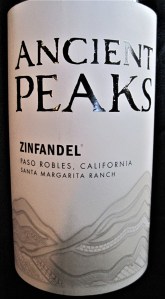
Ancient Peaks Zinfandel Paso Robles Santa Margarita Ranch

Ancient Peaks Paso Robles Zinfandel Santa Margarita Ranch

The zin that stole my heart! Ancient Peaks Paso Robles Zinfandel Santa Margarita Ranch.

$18/bottle on wine.com
Full body, 15% ABV
This was a wine that originally came home with us from La Conner Sips, a wine shop in one of our favorite small towns to get away. My initial thoughts were that this was as close to red wine perfection as you can get! Everything is in perfect balance and harmony – good fruit, good strength, sweetness/dryness, etc. Stunning how excellent this wine is.

Here are the winemaker notes:
“The 2017 Zinfandel presents bright boysenberry aromas with hints of sandalwood and vanilla. A juicy, jammy texture is loaded with generous flavors of wild raspberry, black cherry, plum, mocha and cedar. Spicy black pepper notes join mouthwatering acidity on a beautifully balanced finish. The juicy, spicy character of the 2017 Zinfandel is a perfect match for fine comfort foods, including grilled chicken flatbread, Italian sausages, Santa Maria-style tri-tip and Pepper Jack cheeseburgers.”

Wilfred Wong of wine.com described the 2017 vintage as “an explosion on the palate” and that this wine is “not for the faint of heart.”

Don’t let that description of a wild pre-teen freak you out. It still boasts exceptionally balanced richness and depth.

While I originally tried the 2017 vintage and that is out of stock on wine.com, the 2020 vintage is available on wine.com through my affiliate link here.

Here are the tasting notes for the 2020 vintage. It’s still Zinfandel from the same vineyard and winery, so very similar:

“The 2020 Zinfandel makes an immediate statement with bright, jammy aromas of raspberry, cinnamon spice and vanilla cream. Luscious, rounded flavors of red cherry, raspberry and blackberry unfold across a beautifully weighted mouthfeel, all under- pinned by deeper hints of roast coffee and black pepper. Smooth, juicy acidity brings impressive balance to a uniquely elegant finish.”

Words fail me. I don’t know how to stress how exceptional this wine is, other than the fact that I chose it as my blog anniversary celebration wine.

Grab a bottle, it’s only $18! And raise a glass to your favorite wine blog. 😉

Happy 11th birthday, Rambling Vine! You’re turning into an incredible young blog and I can’t wait to see what your adolescence holds in store for you. ❤

(And by the way, it’s time we had some “talks.”)

An Argentinian Treasure for World Malbec Day

Disclosure Statement: This post contains affiliate links. When you click on an affiliate link and make a purchase, I receive a commission at no additional cost to you. All opinions are my own.

Hear ye, hear ye! Today I doth proclaim World Malbec Day, a day to solemn ourselves and pay tribute to the magnificent Malbec grape, and all its vinous manifestations, forsooth (rolls up scroll).

Yep, here we are with another wine holiday on our hands. This time it’s World Malbec Day; yea verily yea (I really need to start using that phrase IRL)! It’s interesting that Tannat Day and Malbec Day are so close together on the calendar, and they are the signature grapes of neighboring countries Uruguay (Tannat) and Argentina (Malbec). Not sure if this was done on purpose or not, but it makes sense to continue our little South American sojourn, so vámanos.

Malbec is a wine I have intensely adored, especially in my beginning days of wine exploration. And I still love it. I haven’t had it as much lately because I’ve been spending my wine budget elsewhere, but for me and many in the world it’s a classic.

I’ve had wonderful Malbecs from my home state of Washington, but today I’m unlocking my wine treasure chest to introduce you to one of my favorite Argentinian Malbecs, which will give you a great idea of why Malbec shines in this country.

Malbec and Tannat have similar backstories. In the 16th century, Spanish missionaries spread vinifera plantings throughout Argentina to establish a supply of sacramental wine. Using the farming practices of the natives, the Spanish irrigated the vineyards in the valley with ice/snow melt from the Andes Mountains. In the late 1800s and early 1900s, many European immigrants came to Argentina and brought with them new grape varieties, including Malbec. Both Tannat and Malbec are grapes native to southwest France.

This particular Malbec is magical. I used this wine in a class I taught to illustrate Old World vs. New World wine characteristics (essentially, warmer climates yield grapes with higher sugar content, and cooler climates yield grapes with higher acid content, because they don’t ripen as much as their warm climate counterparts). Everyone loved it, and this beauty just got more interesting and sumptuous the longer it revealed itself in the decanter.

For best results, decant for 30-60 minutes prior to drinking. If it’s for a group, pour out the whole bottle into a decanter.

Here are the details and my impressions of the wine:

Phebus Malbec Gran Reserva Mendoza Argentina

Phebus Malbec Gran Reserva Mendoza Argentina. Photo courtesy Total Wine.

Phebus Malbec Gran Reserva Mendoza Argentina

  • $27/bottle at Total Wine
  • Full body, lots of heft, 15% ABV
  • Good acidity providing solid structure
  • Bold, unfolding layers of blackberry, black cherry, coffee, chocolate, tobacco
  • Velvety texture
  • Long, complex, irresistible finish

As I have regrettably lost my tasting notes from the last time I had this wine, my list may be missing a few details, but I’m providing you with the product description from Total Wine, which sums up my recollection as well:

“A very complex and elegant wine with floral aromas of violets, black cherries and licorice. On the palate the wine is deep and rich, perfectly balanced with delicate silky tannins and well integrated French oak. Perfect with a juicy steak, game, rich cheeses and chocolate desserts.”

My husband picked up this wine from Total Wine years ago. We first had it with a roast and it was magnífico. It’s one wine we turn to again and again and we are always floored by its quality. Remember, Argentina is also famous for its excellent beef, so Malbec + steak = natural harmony.

Total Wine also sells the Phebus Malbec ($14) and the Phebus Malbec Reserva ($17) in addition to the Gran Reserva ($27). I’ve had the Reserva which is still excellent – not as outstanding as the GR but nevertheless a wonderful wine for the price. You can try the others, but the Gran Reserva is unbeatable in style and quality. Go ahead and splurge on this version, I assure you it’s worth it!

For fun, buy all three bottles and do side-by-side tasting comparisons. See if you think they are each worth their price. Call it your World Malbec Day fiesta!

Happy World Malbec Day! Do you have a favorite Malbec I should know about? ¡Dígame! 🙂

Nat Geo Wines of the World

Tannat: The Polyphenol Jackpot

Disclosure Statement: This post contains affiliate links. When you click on an affiliate link and make a purchase, I receive a commission at no additional cost to you. All opinions are my own.

There is a holiday for literally everything now. From World Compliment Day to Super Mario Day to No Dirty Dishes Day (does a magical cleaning fairy come on that day?), there is no shortage of weird holidays. And why not? Every day that we are alive is worth celebrating – might as well have fun celebrating different things.

As I was surfing the Interwebs not too long ago, I came across a scad of wine holidays, including today’s Tannat Day. Realizing I’ve only had one Tannat in my life (to my knowledge) and that I have never blogged about it on here, I took it as a good excuse to pick out a bottle and learn a little more about this prized grape. Learning never ends for an oenophile!

So, here we are… Happy Tannat Day!

Just what is Tannat, anyway?

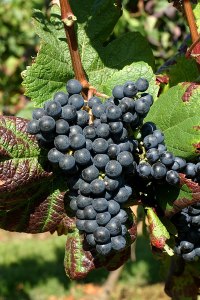
A cluster of the French grape variety Tannat. Doris Schneider, Julius Kühn-Institut (JKI), Federal Research Centre for Cultivated Plants, Institute for Grapevine Breeding Geilweilerhof - 76833 Siebeldingen, GERMANY

A cluster of the French grape variety Tannat. Photo courtesy Doris Schneider, Julius Kühn-Institut (JKI), Federal Research Centre for Cultivated Plants, Institute for Grapevine Breeding Geilweilerhof – 76833 Siebeldingen, GERMANY

Tannat is a red wine grape that originated in southwestern France, where it is known as Madiran (French wines go by place name not grape name). French immigrants hauled cuttings of their favorite grape down to Uruguay in the 1800s and began cultivating it. While it is grown in numerous countries the world over (including the USA), it has established itself as the top dog wine of Uruguay, in much the same way Malbec has become Argentina’s flagship grape.

Tannat grapes have extra thick skin and a higher amount of seeds inside than other wine grapes. Tannins come from the grape skins, seeds, and stems, and become an important part of wine during fermentation. When the wine is put in oak barrels for aging and development, this also imparts wood tannins. Thus, Tannat wines are by nature super tannic, but good winemakers will tame the tannins through practices like micro oxygenation and oak barrel aging, which allow small amounts of oxygen to soften the wine’s tannins. But not too much, because the high tannin levels are also the trait that will make Tannats age well/last a long time.

So, what’s all the health hype about? Tannins are polyphenols (one well-known one is resveratrol), or antioxidants, which are extremely important for our cell health. Tannins in wine are what cause bitter, astringent, sandpapery, or gritty sensations in your mouth. And Tannat has among the highest levels of polyphenols of any wine period. Other wines with mega-high levels of polyphenols include Sagrantino, Touriga Nacional, and Xinomavro (Wine Folly The Master Guide, pg. 19).

A fellow wine lover’s description of this Tannat on Twitter was compelling enough for me to purchase a bottle of the famed elixir. I decided it was time to get fully acquainted with this varietal, and what better day than on Tannat Day.

You who like big, bold, full-bodied reds, meet your new friend. A high quality friend whose price tag is very reasonable. And one who is very amiable. 🙂

Here are the details and my impressions of the wine:

Bodega Garzon Uruguay Reserva Tannat 2020

Bodega Garzon Uruguay Reserva Tannat 2020

Bodega Garzón Uruguay Reserva Tannat 2020

  • Currently $18/bottle on wine.com
  • Deep purple
  • Medium/full body
  • Dry!
  • 14% ABV
  • Low-medium acidity
  • Very smooth texture
  • This wine is bitter from the tannins, but the resulting texture is not grippy or sandy at all, very well-integrated and full
  • Aromas upon opening: rustic, earthy, animal, herbal, black fruits more subtle
  • Aromas after decanting 1 hour+: black fruits, smoke, spice, minerals, graphite
  • Flavors: black fruits (berry, cherry, plum, olive), meaty
  • Not a long finish
  • This wine is fine to sip solo, but because it is quite dry and bitter, I would recommend serving this wine with food to really let it shine (barbecue obviously and other rich, fatty dishes)

So there you have it. You can’t go wrong with this Tannat; it has good ratings from critics across the board and is lauded for being a top example of Uruguayan Tannat in this price range. Start here and then proceed onward to other Tannats.

Raise a glass of Tannat today. Cheers to your good health! ❤

Anyone else imbibing Tannat today? Where from? Thumbs up/down? Comment!

Nat Geo Wines of the World

Willows Lodge Secret Supper Series at Barking Frog with Côte Bonneville Wines

Disclosure Statement: This post contains affiliate links. When you click on an affiliate link and make a purchase, I receive a commission at no additional cost to you. All opinions are my own.

Spoiled. Utterly spoiled to the hilt. That was my March 2023, and I am not complaining. I hit every single possible type of wine event last month – a wine festival, a tasting, a seminar, a wine club event, and an unforgettable, luxuriously indulgent multi-course wine and food pairing dinner, generously provided by my exceedingly gracious in-laws. That dinner was the Secret Supper Club at Barking Frog Restaurant, featuring Côte Bonneville wines.

About Barking Frog/Chef Dylan Herrick
Willows Lodge is a luxury hotel in the heart of Woodinville (WA) wine country (which boasts over 130 wineries!), and Barking Frog is its signature restaurant. Here is what makes Barking Frog special:

“Barking Frog is a culinary experience known for innovative seasonal menus, award-winning global wines and its signature ambiance. When you pair this with our exceptional service it is easy to see why it is one of the most widely desired restaurants on the eastside.

In collaboration with local farmers, food artisans and foragers, Executive Chef Dylan Herrick has built a talented culinary team that draws its mastery from modern and classic techniques, creating dishes that are inventive yet timeless.”

In addition, Barking Frog has received Wine Spectator’s Award of Excellence for five consecutive years. No bad wine here!

The Secret Supper Series is an opportunity for Chef Dylan Herrick to be creative and come up with some fantastic dishes that he pairs with the equally fantastic wines of a featured winemaker; in this case, Cote Bônneville Winemaker Kerry Shiels. The collaboration between a chef and winemaker is akin to a dancer and a musician working together – two diverse but essential elements needed to create a masterpiece. The congruity of the food and wine was outstanding. Mind and taste buds blown.

About Côte Bonneville Wines/Winemaker Kerry Shiels
Côte Bonneville is an estate winery located on world-renowned DuBrul Vineyard in Sunnyside, WA, in the Yakima Valley AVA. In 1991, Hugh and Kathy Shiels (parents of current winemaker Kerry Shiels) purchased some land and tore out the existing apple orchard. In 1992 they planted DuBrul Vineyard. According to their website, DuBrul Vineyard is “consistently recognized as one of the top vineyards in Washington State…. DuBrul Vineyard designated wines, from Côte Bonneville and others, have consistently been well received by critics and sought after by consumers world wide.” Grapes grown here have unique flavors and structure that put them in the class of ultra-premium wines. Côte Bonneville Winery was founded in 2001 to “produce classically styled wines that best express our particular site.” Learn more about DuBrul Vineyard and Côte Bonneville.

Kerry was great to talk to and learn from. A former engineer turned winemaker, she received her master’s degree in viticulture and enology from UC Davis. After gaining winemaking experience in California, Australia, and Argentina, she came home and got to work as head winemaker at Côte Bonneville in 2009. She brings exacting precision, immense knowledge, excellence, and the utmost care to her winemaking and her wines show it.

An interesting fact I learned about Kerry’s vineyard crew is that they are all women. This is unusual since over 75% of winery workers are male. She told me they tend to be “more nurturing and detail-oriented in the vineyard. They take great pride in helping grow some of the best grapes in the state!”

The Dinner
This was so much fun! There were only 9 of us guests total, 11 counting Kerry and Dylan. In my opinion, this is the perfect group size for an intimate evening, and being able to actually talk to each other and get to know each other proved very pleasant. It was also nice to be able to hear the discussions, and not be trying to shout above the din, like at a loud, crowded event. We were able to ask questions of Dylan and Kerry, and had great conversations. The service was impeccable so a big thank you to the team that served our group that evening.

Every wine I tried was pure loveliness and went beautifully with the food pairings. It was a flavor celebration from start to finish. I probably moaned, rolled my eyes, and made hand gestures a lot, but I can’t help it when I have amazing food and wine!

Here is the menu and my review of the meal. I am missing a description and photo for the starter, but it was super tasty. I did not photograph the wines, but I assure you I drank them (I think you can imagine what a glass of cab or chardonnay looks like)! 😉

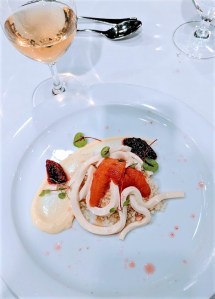
Roes & Rosé
Cured Salmon/Trout Roe/Citrus Panna Cotta/Local Honey Espuma
2022 Côte Bonneville Rosé

Roes and Rose course, Barking Frog Woodinville Secret Supper, March 2023

Roes and Rose course, Barking Frog Woodinville Secret Supper, March 2023

The Rosé is made from Cabernet Franc grapes that are grown specifically for becoming Rosé wine, not for making Cab Franc wine or to be blended with other red grapes. Deep, beautiful fruit aromas, medium body, bright acidity. An intriguing wine and perfect pairing with the salmon and trout roe. Welcome spring!

Five-Spice Sakura Pork
Indian Curry-Spiced Romesco/Pomegranate/Arugula/Pineapple Kombucha Caramel
2019 Côte Bonneville Chardonnay

Five-Spice Sakura Pork course, Barking Frog Woodinville Secret Supper, March 2023

Five-Spice Sakura Pork course, Barking Frog Woodinville Secret Supper, March 2023

Holy cow (or should I say, holy swine). This was my favorite food of the night. I am going to have to get creative and re-create this flavor palette at home sometime. Classy, rich pairing with the chardonnay. Hats off to Chef Dylan on this one!

Roasted Wild Mushrooms
Currant/Chimacum Valley Chimatomme/Potato Glass/Toasted Rice Oil
2012 Côte Bonneville Cabernet Sauvignon
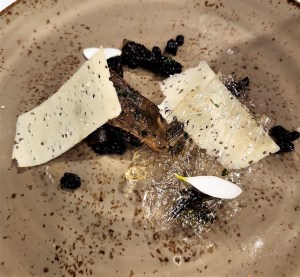
Roasted Wild Mushrooms course, Barking Frog Woodinville Secret Supper, March 2023

Roasted Wild Mushrooms course, Barking Frog Woodinville Secret Supper, March 2023

My absolute favorite wine of the night had to be the Cabernet Sauvignon. There were zero faults with this wine: it was smooth, full, rich, pure, balanced, complex, elegant – basically every positive adjective you can throw at a fine wine. Because it’s an epic $200 bottle of wine, it probably won’t make my acquaintance again for a while. I didn’t know the price of the wine until I looked it up afterwards, but I could definitely tell I was drinking something extremely special in a whole other league of wine. Brava, Kerry!

Intermezzo (a palate refresher between bites)
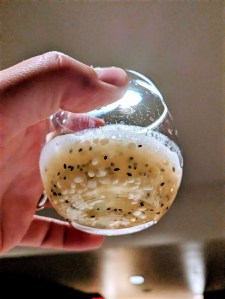
Intermezzo, Barking Frog Woodinville Secret Supper, March 2023

Intermezzo, Barking Frog Woodinville Secret Supper, March 2023

The Intermezzo was one of the more memorable things I’ve consumed in a long time. This is not a complete list, but it did include kiwi juice, pop rocks, basil seeds, foam, etc. It hit every last pleasant taste bud receptor on the tongue and every food texture sensation. Wow and yum! I can still taste it.

Whey-Braised Lamb Shoulder
Vanilla Scented Parsnip/Fennel Two Ways/Cocoa Nib Hummus/Yogurt Drizzle
2014 Côte Bonneville Syrah
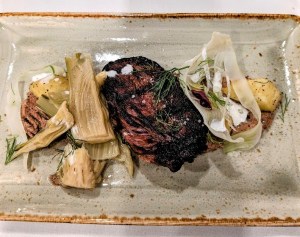
Whey-Braised Lamb Shoulder course, Barking Frog Woodinville Secret Supper, March 2023

Whey-Braised Lamb Shoulder course, Barking Frog Woodinville Secret Supper, March 2023

Another delicious dish with delicious wine. The lamb, with the cocoa, vanilla, and yogurt flavors played very well with the Syrah.

Lemon Pound Cake
Chamomile Noodles/Citrus Salad/Mandarin Caramel/Lemon Curd
2009 Côte Bonneville Late Harvest Riesling
Lemon Pound Cake course, Barking Frog Woodinville Secret Supper, March 2023

Lemon Pound Cake course, Barking Frog Woodinville Secret Supper, March 2023

I am a chocolate lover so the dessert I could have easily passed on (and I’ll be honest, the look of the noodles was a bit off-putting), but the flavors did make for an excellent pairing with the Riesling. The Late Harvest Riesling reminded me of Tokaji (toe-kai), the famed Hungarian dessert wine. Just enchanting. ❤

News/In Sum
If you love wine (check) and food (check) and pairing the two (check), Barking Frog will soon be rolling out some new food and wine pairing menus, presumably featuring slightly smaller food portions similar to this multi-course dinner format. The aim is to present foods that will complement featured wines and deepen their enjoyment through pairing. I would love to go back again, if not for a winemaker dinner, then at least to try these new pairing menus. Keep tabs on their happenings here.

If you’d like to know more about Barking Frog’s Secret Supper Club, you can request an invitation by emailing barkingfrogevents@willowslodge.com. These events are not published on their website so you will need to be on their email list. Expect to spend approximately $285/person plus tax and gratuity.

Check out Côte Bonneville’s current releases – they can be shipped around the country. Information on their tasting room hours can be found here. You can also purchase their Carriage House Red Blend through my affiliate link at wine.com.

A tasting out at Côte Bonneville is a must on my spring or summer to-do list!

Special thanks to Rich and Dustin for snapping pics while I lived in the moment. 🙂

What to Drink with Easter Dinner (or, Why Pinot Noir Is Your Answer to Everything)

The Easter holiday is fast approaching, and so is the pressure to go shopping and pick out the perfect wine to go with your feast. As if the rest of the to-do list weren’t enough! Trying to match the right wine to your meal can cause so much stress it makes you want to dive head first into the Peeps and jelly beans! If you’re putting out the wine S.O.S. signal, I see you, and I’m here to help. Deep breaths, ahhhh.

First of all, banish the word perfect from your wine vocabulary, and replace it with great. Trying to find the perfect wine pairing sounds like too much pressure and highly unrealistic. But a great pairing, that is doable!

If you’re doing something traditional along the lines of ham, lamb, or salmon, you need to set your sights on delightful, drinkable Pinot Noir. Pinot Noir is one red wine that will go beautifully with all three of these proteins. While no two Pinots are exactly the same, in general this is what you will get from a glass of Pinot Noir and why it is a consummate pairing wine for so many foods:

  • Light to medium body, although some verge on medium to hinting at full-bodied, depending on things like climate, weather, region, etc. The body of a wine should match the “weight” or heaviness, of a food in your mouth.
  • Subtle, integrated, elegant tannins that don’t clash or compete with the texture of the food.
  • Moderate acidity. A wine needs to be more acidic than the food at hand, so this is a great option for pairing that won’t get lost in your mouth.

Fair warning: I prefer my Pinots to have more heft, fullness, and richness than some, so if you err on the side of super light-bodied Pinots with ultra-delicate aromas and flavors, these might not be up your alley. When I drink wine, I want to taste wine, not fruity water, right?

Anyway, here are two Pinot Noirs (one from Washington and one from Oregon) that I really admire and that deserve a spot on your Easter table. The Washingtonian clocks in at $27/bottle and the Oregonian at $35/bottle. Both are delicious wines and excellent values for their quality tiers.

Pike Road Corrine Vineyard Pinot Noir

Pike Road Corrine Vineyard Pinot Noir. Photo courtesy Pike Road Wines.

For the Oregon selection: I tasted the Pike Road 2019 Corrine Vineyard Pinot Noir at the McMinnville Wine + Food Classic this past month. It is $35/bottle and utterly delicious! The grapes are from the Chehalem Mountains AVA, and the Corrine Vineyard was planted in 1989 at the intersection of marine and volcanic soils. The vineyard is a “warmer site for Pinot Noir, producing intense fruit, heady aromatics, and lots of structure.” Yum! You can “expect wines with a big ripe core of concentrated fruit and a bright, fresh profile” with red fruit, spice, and floral tones. Sounds lovely.

For the Washington selection: who else but Skagit Crest Vineyard & Winery? All of their Pinot Noir is estate grown and produced. I have tried the 2016, 2017, and 2018 vintages, all side by side, and all are completely different wines. I love each one for different reasons. Right now I’m drawn to the 2017 Pinot Noir, with its “red fruit, rose hips, forest floor and spice rack components, framed by raspberry tea tannins and lemon oil.” We will most likely be opening this up Easter night.

Skagit Crest Pinot Noir 2017

Skagit Crest Pinot Noir 2017

I asked Owner and Winemaker Chuck Jackson what he would recommend, and while he said either vintage would go well with any of the meats, he would opt for the 2017 Pinot Noir with darker meats & heavier seasonings and the 2018 Pinot Noir with lighter meats & less intense seasonings. He would definitely choose the 2018 Pinot Noir for lamb. This beauty has elegant, subtle fruit and spice in the vein of Burgundian Pinot Noir, and is drinking round and balanced right now.

There are tons of great wines out there – so dang many. Don’t get hung up on finding the ultimate “perfect” pairing for your particular food, because there is definitely more than one wine that will work with your food. Some may be more wonderful than others, but it’s a fun chance to learn.

Obviously you can pair more than just Pinot Noir with these foods, but I hope you see the broad appeal and versatility of this grape, and why it can work so well with so many foods.

What wines have you enjoyed pairing with ham, lamb, or salmon? Tell me about it in the comments. One can never have too many good food and wine pairing ideas!

Happy Easter!