Mexico: Land of Cerveza, Tequila, and… Vino?

Disclosure Statement: This post contains affiliate links. When you click on an affiliate link and make a purchase, I receive a commission at no additional cost to you. All opinions are my own.

In which I try a red and a white wine from Mexico….

Cinco de Mayo is just around the corner, and our cherished Mexican restaurants are about to get CA-ROWDED. (A little trick of mine – eat at an Irish pub on Cinco de Mayo and eat at a Mexican restaurant on St. Patrick’s Day). After all, for most Americans, it’s about the spirit of the celebration, not the actual date, right? 😉 Yep, hasn’t failed me yet.

After fantasizing over chips n’ guac for a moment, I stopped to ask myself if I had ever had any MEXICAN WINE before. No, I don’t believe I have, I concluded. So self and I went to wine.com and searched for Mexican wine, and then ordered some.

Pack your bags and grab your sunglasses and sandals, we’re heading south of the border for a quick tour! This is for those of us who prefer wine over cocktails, and are curious enough to try a different Mexican beverage. It’s not Cinco de Mayo without Margaritas, claro que sĂ­, but just for fun, since this is a blog dedicated to having fun exploring wine, let’s try some Mexican vino together.

(To whet your appetite, I do have a delectable Margarita recipe coming your way later this week. Watch for it, it’s a beauty!)

Wine #1: L.A. Cetto Chenin Blanc 2021
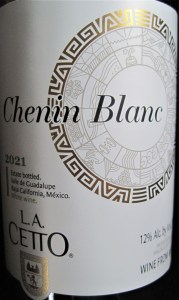
L.A. Cetto Chenin Blanc

  • $11/bottle at wine.com
  • 12% ABV
  • Estate bottled/Valle de Guadalupe/Baja California, MĂ©xico
  • Pale yellow with greenish hues
  • Light body, oily texture
  • Strong, refreshing acidity
  • The nose is lovely and highly aromatic. Aromas and flavors include: honeysuckle, peach, yellow apple, pear, honey, banana, melon

Something I did not know about Chenin Blanc is that it maintains a strong level of acidity, even under warm growing conditions. Normally grapes grown in warm climates develop higher levels of sugars than acids.

This would be stellar with fish tacos or pollo a la crema. I tried it with jalapeño-pickled green beans, brie cheese, and whole grain crackers to cure late-night grumbling stomach woes. Great flavors and pairing!

I was surprised by this little Chenin Blanc – it was very nice!

Wine #2: L.A. Cetto Zinfandel 2020

L.A. Cetto Zinfandel

  • $11/bottle at wine.com
  • 13% ABV
  • Estate bottled/Valle de Guadalupe/Baja California, MĂ©xico
  • Medium ruby with magenta tint
  • Light body, medium acidity, dry
  • Tannins are soft, gentle, in the background
  • Moderate finish
  • The nose is really lovely. Initial aromas: peach pie, cinnamon, juicy fresh strawberry, red cherry, watermelon, rhubarb, lemon blossom, pepper, clay. After several days of being open, it showed strong hibiscus, cranberry, and cherry.

My guess before I even tried this was that it would be highly similar to a California red – full body, higher alcohol, lower acid, off dry/residual sugar, and moderate tannins.

Here is what I discovered: this Mexican Zinfandel was absolutely nothing like any other Zinfandel I’ve ever had before. Not even Italian Primitivo, which is genetically similar to Zinfandel.

This was quite different from the dark, inky Zinfandels I’m accustomed to; it lacks the complexity, full body, and moderate tannins. I don’t know if that is an issue with the grapes or the winemaking. Truth be told, even though Zinfandel grapes produce dark, rich wines, their skins are actually rather thin, which should translate to lighter bodied, less tannic wines.

This wine was interesting in that it was so unusual from what I’ve typically experienced in Zinfandel. It does develop more complexity after a few more days of being open, and good on it, it is quite long-lasting without suffering the ill effects of extended bottle opening.

Treat this Zinfandel like a light, juicy, fresh red, and it will make you happy. This Zinfandel could be muy complementario with chile verde. I haven’t tried it, but if you do, let me know if it worked. 🙂

In conclusion, I personally preferred the Chenin Blanc overall, but I would recommend trying both (at only $11/bottle, they are each an easy way to explore Mexican vino). The Zinfandel was fine; it was just unusual for Zinfandel and that was why I had a hard time comparing it. But if you can treat it with an open mind, especially if you’re not a huge California Zinfandel fan, you might actually enjoy this wine. L.A. Cetto also makes a Chardonnay and a Cabernet Sauvignon. Wine.com also offers another label from Mexico that is spendier and from a different region, which I have not tried.

Have you ever had Mexican wine? Comment below!

Nat Geo Wines of the World

Cooking with White Wine Debunked: The Whys and the Wherefores

When flipping through cookbooks, scouring Pinterest, or browsing cooking blogs as you plan out meals, how many of you deliberately avoid recipes that involve wine, simply because you have no idea what type or brand to buy? Don’t be ashamed, it’s not like this is something we are taught growing up or even attributable to natural intuition. I learned how to cook through instruction and practice (heck, I’m still learning, and I love it), and the same goes with learning which wines work well to cook with. Except I am going to cut out some of the trial & error for you by giving you a solid recommendation! You no longer have to be intimidated by cooking with white wine (I’ll touch on red soon)… aren’t you excited? Keep reading….

Cardinal rule of cooking: the wine you cook with should be something you would want to drink. Do not cut corners by buying icky, cheap, vinegar-like wines
 they will only ruin your dish. And also, I forbid you, NEVER buy the bottled cooking wines in the condiments section of the supermarket. Just don’t. Trust me, they’re abysmal. It would be better to just omit the wine entirely if you’re going to go that route. But you’re not, because you are a culinary god/goddess who wants to be an expert on cooking with wine! Read on!

When cooking with white wines, you’ll typically want to select dry whites, such as chardonnay, pinot grigio or sauvignon blanc. When you add white wine to a savory dish, the alcohol will cook off and the remaining flavors will complement and enhance your dish, imparting dimensions of rich taste that you wouldn’t get by leaving it out. The enzymes and other compounds in the alcohol are playing a role on the chemical level, too, breaking down the food as it is heated, but since I never had to take chemistry in high school (I opted for college-level anatomy & physiology instead, overachiever that I was), this is not my area of expertise. Since what you’re really after most of the time is just good flavor and the right acidic content, this wine has all the flavor you need at a price you’re willing to pay.

Columbia Crest Two Vines Sauvignon Blanc is my go-to bottle when I need a good, reliable dry white for cooking and accompanying the subsequent meal. Priced oh so reasonably at less than $10 a bottle, it’s the equivalent of keeping a good soy sauce or other quality condiment in your pantry. The flavors are good, but not so overpowering that they throw the balance off of your dish.

From the tasting notes: “This fresh, lively Sauvignon Blanc opens with aromas of lemon zest, honeydew melon, dried herbs and a hint of freshly cut grass which are typical notes of the variety. Juicy flavors of melon, gooseberry and kiwi end with a lengthy, bright citrus-like finish.” Now, doesn’t this sound like something you could sip on with dinner, or sample while you’re cooking?

I prefer cooking with Sauvignon Blancs or Pinot Grigios as opposed to Chardonnays, because with Chardonnays there can often be the more pronounced issues of “oak” (Chardonnay is fermented in steel or oak, and this will greatly affect the taste of the wine) and that can interfere with your recipe. You’ll have hardly any losses across the board with Sauvignon Blanc – chicken, fish, etc. all stand up well with this wine.

Just for fun, here is a recipe you can try that calls for a dry white wine such as this (shucks, whaddya know?). This is modified slightly from Rachael Ray’s 365: No Repeats, one of my favorite cookbooks that I used to teach myself “finer” cooking beyond basic things like spaghetti and scrambled eggs. Bon Appetit! 🙂

Sweet Sea Scallops in a Caper-Raisin Sauce
3 T extra-virgin olive oil
2 shallots, chopped
Salt and freshly ground black pepper
Fresh parsley (I use dried, it’s easier, though fresh will taste way better)
3 T capers, drained
3/4 c. dry white wine
1/2 c. golden raisins
16 sea scallops, drained and trimmed
Juice of 1 lemon
2 T unsalted butter

Heat the olive oil over medium-high heat, add the shallots, cook for a minute or two, season with salt and pepper, then combine with the parsley and capers. Add the wine and golden raisins. Simmer until wine is reduced and the mixture is at the consistency of a thick, chunky sauce. Transfer the sauce to a bowl, reserve.

Wipe out the pan and return to the heat, raising to high. Season the scallops with salt and pepper, add a little olive oil to your skillet, add the scallops and sear them for two minutes on each side. Once cooked through, lower the heat a bit and add back the sauce to the pan, along with the lemon juice. Cook for a couple more minutes. Remove the scallops from the pan and arrange on a serving platter. Remove the pan from the stove, add the 2 T butter and melt it in the pan with the sauce, and then pour over the scallops.

Serve with crusty bread, a green salad, and a glass of Columbia Crest Two Vines Sauvignon Blanc!

The People’s Choice Award: Cellarmaster’s Riesling Takes the Cake

C’mon, admit it, you love you some N’ Sync, don’t ya?

The other day I was listening to some bubblegum pop music on the radio. It’s upbeat, catchy music that makes me move, smile, sing along, and look insane while driving. It may be sappy, but it sure makes me happy! Nothing overly analytical about it, it is what it is: straight forward goodness that does its job well with a predictable song structure in two and a half minutes. I can’t listen to it all day, but it definitely has a special place in my audio library. (And heaven knows I would never burn as many calories on the elliptical without it).

The same thing applies to certain wines. Every wine lover can fondly recollect wines that grabbed their attention and subsequently went down in history as all-time favorites. These are the wines you rave about to your friends, and they like them so much they immediately tell their friends, and so on and so forth. I can’t count how many times I have recommended this wine to both friends and strangers who were looking for something great yet affordable to drink.

Columbia Winery Cellarmaster’s Riesling Columbia Valley (As an Amazon Associate, I earn from qualifying links) is that wine. Sweet, not dry, with fruit and honey notes. Perfect for when you need to satisfy your sweet tooth. This is the ideal wine to introduce to someone who perhaps has never tried wine before or who prefers sweet wines. It’s even fun to spring on a wine connoisseur and have them try pairing it with the recommended “strong cheeses, desserts, or extremely spicy foods.” And it’s well under $10 at most Washington grocery stores.

According to their website, “Columbia Winery is Washington’s first premium winery, producing distinctive Washington wines from European vinifera grapes since 1962.” They introduced “new varietals to the state, such as Syrah, Cabernet Franc, and Pinot Gris.” As you can see, they have been making wine in Washington for a long time and really know their stuff.

Just what makes this Riesling so exceptional? From the tasting notes: “Floral aroma with hints of peach, quince, lime and clove delight the nose. Rich and full-flavored fruit on the palate is balanced by refreshing, crisp acidity. Sweet wine. A beautifully balanced wine that has classic floral, Riesling aromas…. These grapes are selected for this wine because of their higher acidity. This excellent acidity emphasizes the apricot, peachy flavors and creates a good match for strong cheeses, desserts or extremely spicy foods. This wine has a long finish.”

Some seasoned oenophiles may lose their preference for Riesling as their palates develop. They might shrug their shoulders, quickly write one off as just another sweet Riesling, and channel surf in search of something more complex and compelling. Again, I don’t expect you to agree with me on every wine; taste for yourself and be your own judge. But I think even the most opinionated will fall for this sweet, delicious Riesling. It is a special bundle of great taste, affordability, and “shareability.” Even if we hate to admit it, the reason we like things like Riesling and pop music is because deep down, they hit the spot.

So Cheap It Feels Like Cheating

Pinot Grigio for when your wallet’s hurting (but your taste buds are hankering)

The other day my friend commented about a shopping experience at a certain grocery wholesaler: “The food was so cheap it felt like I was stealing!” She could not get over how low the prices were on everyday food items.

Don’t you love that feeling? The moment you are stunned by an item’s price and then ride the wave of compulsion to buy it because it’s so cheap you almost feel sorry for it. It deserves your dollars by sheer virtue of its ridiculously low price. Oh yes, the psychology of spending money, always a fascinating topic.

Ah, Venice! Maybe X marks the spot of an ancient rat-infested wine cellar?

Gaetano D’Aquino White Wine of Venezie is – gasp! – $4 a bottle at Trader Joe’s and very tasty. It may be cheap, but it doesn’t taste like it (I love that in a wine!). Spending less than $4 a bottle, though, means you’re either buying a large quantity of wine on sale or you’re buying bad wine. Nota bene: The Rambling Vine does not like two-buck Chuck. It’s a taste issue. But you make up your own mind, it’s a free country.

This wine is super light with citrus flavors, and has a slight tart, mineral finish. It’s perfect chilled, and an ideal wine to have on hand during the summer. Pleasant, agreeable, should pair with any number of things.

Be reassured
 you’re not cheating. It may be cheap, but you’re not cheating on taste and quality. Ciao!

Blinded by the White

Surprise Pick: Alamos Torrontés 2010

These glorious first-taste-of-real-summer days in Washington in April bring the masses out of hibernation, for fear this could be the only Vitamin D we get until mid-July. The folks I always cringe at are the ones that bare as much pasty white flesh as possible in worship of the sun god, then scar our eyes again with a shade of wince-inducing “scorched lobster.” Didn’t they ever heed the wisdom of Baz Luhrmann?

I invite you to be pleasantly surprised by another kind of white
 an Argentinian white wine!

I’ll start by throwing you a curve ball of a rare and little talked-about white wine, TorrontĂ©s. Have any of you actually heard of this wine and tried it? I had NEVER heard of it, until it winked at me at my local grocery store (lots of wines wink at me, and I can’t buy all of them). Naturally, I was curious, so I picked up a bottle for kicks. Alamos makes an outstanding Malbec at a terrific value (around $10 or under a bottle), so I figured a white from this label wouldn’t be a total loss. But then again, isn’t Argentina synonymous with juicy red Malbecs? Like Seattle & salmon, or New York & hot dogs? Some things are lumped together for good reason, and shaking up these fixed associations can trigger outcries from the traditionalists.

Evita wants you to understand just how GOOD Argentinian Torrontes is!

Well, phooey on them! Argentina makes an excellent white wine
 yes, Argentina, land of acclaimed Malbecs, tango, and Evita Perón!

This is my new favorite white wine! Here’s why: “TorrontĂ©s has a unique expression in Argentina and has often been called the country’s signature white varietal. Alamos TorrontĂ©s captures all of the explosive aromatic character of this Argentine grape, with lively notes of citrus and peach fruit interwoven with delicate layers of jasmine blossom and fresh herbs. The wine is light and fresh on the palate with excellent balance and finishing with bright, crisp acidity.” It has all the characteristics I like in other whites (fruity, rich, floral and herbal notes) rolled into this one varietal.

Turn to TorrontĂ©s for an unusual but delightful crowd-pleasing white wine that’s not Chardonnay (let Chardonnay have the night off for once). Let me know what you think! And if you’re in the Seattle area, wear your sunscreen!