A Delicious Discovery for World Verdejo Day

Happy World Verdejo Day, readers! This may be the fastest blog post I have ever thrown together in a day (pant, pant – June is BUSY!) but the word must go out. The blog must go on! Plus, I also share an easy recipe that will pair exceptionally well with this wine. And, last but not least, drum roll… Happy 100th post to The Rambling Vine! ❤

I first had this wine at a Spanish wine class at Total Wine. As someone who prefers red wines, I tend to reluctantly try white wines with low expectations. But this cheerful and exuberant white made me check my biases and thrust me into full-blown enjoyment. When a white wine makes me say “whoa” after the first sip, I know I’m on to a good thing. It’s also a fantastic price ($16.99) for a truly fantastic wine.

So what is Verdejo? Verdejo is a white wine grape grown in Rueda, Spain. Rueda is a region that uses mainly Verdejo grapes to create amazing white wines bursting with tart acidity and plush, full fruit flavors. If you’re a New Zealand Sauv Blanc fan, wait until you give this a try!

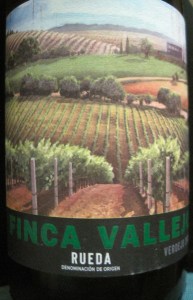
Check out the Finca Vallejo Rueda Verdejo 2022:

Finca Vallejo Rueda Verdejo 2022

Love the label

  • $16.99/bottle
  • 13% ABV
  • Rich, pale gold color
  • Knockout aromas of lime, peach, grapefruit, fennel, melon, etc.
  • Light body with plush, creamy mouthfeel
  • Powerful, refreshing acidity curtailed by juicy citrus fruit flavors
  • Screams “I wanna party with some seafood!”

My “recipe” for fish tacos is simple in the extreme, but wonderful. We all need more easy-to-pull-together dinners. Four basic ingredients. Try it when you’re floundering for what to make for dinner (pun unintended, or not). 😉

The Rambling Vine’s Fish Tacos in a Cinch

  • Flour tortillas (or tortilla/wrap of your choice)
  • White fish fillets of your choice (cod, rockfish, halibut, etc.)
  • Bagged coleslaw mix
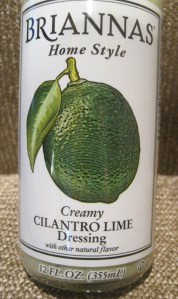
  • Brianna’s ® Home Style Creamy Cilantro Lime Salad Dressing

Warm your tortillas so they’re pliable. Cook your fish to doneness: throw several fillets on a baking sheet lined with parchment paper. Brush fish with some olive oil, salt, and pepper (keep it simple – the dressing will add more flavor later). Bake in the oven at 400 degrees for 18-20 minutes or until cooked to a safe internal temperature of 145 degrees.

For each taco, lay a tortilla flat on a plate, lay on a fish fillet, scatter on a handful of coleslaw mix, and then drizzle on the Brianna’s ® Home Style Creamy Cilantro Lime Salad Dressing (don’t skip that). You’re done!

Brianna's Home Style Creamy Cilantro Lime Dressing

Love this brand and this dressing!

Pour a chilled glass of this Verdejo to go with your dinner and pretend you’re in Rueda, Spain or other warm sunny location of your choice.

Happy Verdejo Day! Let me know if you try the recipe or the wine. 🙂

Pinot Noir & Tempranillo Dance the Mitote in Alumbra Cellars’ Red Blend

I love it when I get to tell you about wines that “grab” me.

These wines are different. Compelling. Unique. Doin’ their own thang. And, they’re really, really good.

These are the wines that stop me in my tracks and I take note of.

After just one sip of this wine at the McMinnville Food + Wine Festival this past March, I committed to a bottle immediately. That bottle was Alumbra Cellars’ 2021 Mitote Red Blend, a surprising blend of Pinot Noir and Tempranillo.

I love blends because they become greater than the sum of their parts. Some of the greatest wines in the world are blends (most notably Bordeaux and Rhône GSMs).

But what I love about this wine is that the blend of grape varieties – in this case, Pinot Noir and Tempranillo – is unexpected and exciting, much like another favorite wine of mine which blends Pinot Noir, Cabernet Sauvignon, and Syrah. It’s not simply another traditional recipe for combining certain grape varieties together; it’s a winemaker’s choice to exercise her vision and realize the potential of two different grape varieties in creating a new style. And in this, winemaker Elena Rodriguez succeeds magnificently! ❤

In Spanish, mitote refers to an indigenous Mexican dance, but it can also mean a party or a scandalous uproar/hubbub. In this case I feel the wine represents less of an  uproar/hubbub and more of a beautiful pas de deux (in Spanish I believe it is “no dos”) between Tempranillo and Pinot Noir; more of a celebration than a brawl, ha ha.

Alumbra Cellars 2021 Mitote Red Blend
14% ABV
60% Tempranillo, 40% Pinot Noir
$32/bottle

Alumbra Cellars 2021 Mitote Red BlendHere are my rambling, effusive tasting notes to give you an idea of the fun carnival of scents and flavors I delighted in. Promise me you will sip some for yourself!

  • Mesmerizing, mysterious nose hinting strongly at cinnamon, cayenne, cumin, pepper
  • Black cherry, bark/wood, blackberry pie à la mode, a sweet minty herbal note (sassafrass?)
  • A bouquet of heady, savory spices but also light, sweet spices
  • Toffee, gingersnap, vanilla, candied rose floral aroma, whiff of leather saddle to tip me off to the presence of Tempranillo
  • Medium ruby with purple core – color actually very close to the purple of the bottle label
  • Medium body, silky smooth texture
  • Minerality showing up
  • No harshness, tartness, bitterness
  • Silky, gentle tannins
  • Warm, prolonged finish
  • More medium body feel even though alcohol level higher

I have no negative criticisms of this wine. Zero.

I foresee this wine going very well with a number of foods, particularly Mexican food.

For a delicious accompaniment to a glass of this wine, grab a bag of your favorite and freshest tortilla chips and whip up this Mushroom Pico de Gallo. I first had a version of this unbelievable dip at a Mexican restaurant in Belfair, Washington. Forget the salsa and bean dips; we couldn’t get enough of this pico and polished off a couple bowls (after that, what’s the point of dinner?). This recipe is the closest thing I could find to what we had in Belfair.

With a little more effort (or another helper), pile some cooked meat on the side and call this dinner!

Some of the best meals to go with wine (I think) are where you just throw a few, simple foods together and then let them all work their collective magic. A mitote.

¡Buen apetito! 🙂

Mushroom Pico de Gallo

Your new favorite dip.

Mushroom Pico de Gallo
Liberally adapted from a recipe by Nina Lee | Food.com

INGREDIENTS

  • 16 oz. crimini mushrooms
  • 1 small red onion
  • 1 jalapeño
  • A giant handful fresh cilantro
  • 4-6 T avocado oil (or olive if that’s what you have)
  • 6-8 T cooking sherry
  • salt and pepper to taste
  • 4 limes, juiced (or to taste – I felt this needed way more acid than the original)

INSTRUCTIONS

  • Finely chop all of the ingredients and mix well in a bowl.
  • Add your avocado oil, lime juice, and cooking sherry to the bowl, mix well, add more if needed.
  • Add salt and pepper to taste.
  • Let sit to allow flavors to meld for about half an hour, if you can even wait that long. Dip in freshest tortilla chips you can find.

Buzzing with Excitement: Celebrate World Bee Day with Oppegaard Mead

Did you know that today – May 20 – is World Bee Day? As in the insects, not spelling bees. 🙂 Fun fact about me: I used to intentionally lose spelling bees as a kid because I knew all the words and was terrified of having to go to the state spelling bee and stand up and talk in front of other people. You might as well have told me I would be walking into an actual beehive.

But back on the apian track, or flight path. Considering the massive importance and amount of work these tiny heroes do to feed our planet, I thought it would be most appropriate to celebrate their hard work with a couple delicious mead recommendations on World Bee Day.

Just as hard cider is made from fermented apple juice, mead is an alcoholic beverage made of fermented honey and water. It dates back to ancient times, before even beer and wine had emerged on the scene. Africa is where it originated, and mead was likely the result of an accidental wild fermentation of honey. Keep in mind honey cannot ferment on its own unless a certain amount of water is added to it (otherwise we would all be getting buzzed whenever we used honey that was more than a few days old). The Vikings popularized mead in later centuries and this is the historical era which Oppegaard Meadery proudly touts.

Oppegaard Meadery hails from the hamlet of Tukwila, Washington. Owner Jon Oppegaard is super proud of his own Norwegian heritage and utilizes Viking designs on his bottle labels and Viking-themed tasting room. He offers a number of different meads, each of outstanding quality and style. From time to time he even does some wacky experiments and lets guests sample them (a number of years ago, my husband tried a taco mead made for Cinco de Mayo). 🙂

(Don’t worry, I am not blogging about taco mead today, promise). 🌮

It has been a long time since I tried these two meads but their deliciousness still haunts me (in a good way) to this day. When I drink mead, I definitely have to switch gears mentally because I can’t approach this beverage the same way as I do wine, beer, or cider. Mead shares a certain affinity with wine as its body/consistency is closer to that of wine than that of carbonated beer or cider. Alcohol levels are closer to wine, too.

Both of these beverages are technically melomels, or meads that have had fruit added to them. Oppegaard has crafted two impeccable meads that are truly delicious and dazzle with sumptuous, sweet flavors. The first is the aptly-named Dragon’s Blood Mead, which adds raspberries, blackberries, and blueberries with mead. Dark, gorgeous color, rich berry flavors, just right sweetness, nice weight on the palate. My notes from the first time I tasted this one read, “Pure awesomeness.” I still stand by that. $40/bottle.

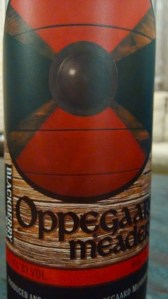
Oppegaard Meadery Blackberry Mead

Nectar of the Nordic gods

The Blackberry Mead, priced at $30/bottle, was perhaps my top favorite of all their meads. Local, Pacific Northwest blackberries and honey, bottled into happily-ever-after bliss. So, so enjoyable. Just go get some already.

In addition to sampling the superb meads at Oppegaard, you can attend a medieval fair in their parking lot with combat fighters, food trucks, and entertainment, meet up with your gaming friends to play some Dungeons & Dragons, or even take a class where you learn how to make your own mead. Lots of really fun and unique events to foster community, which I love to see happening. Check out their website for a complete list of goings-on.

It seems curiously fitting that Viking explorers adopted the product of another group of fellow traveler-explorers: honeybees. Honeybees go from flower to flower, gathering up their beloved nectar and pollen to create honey. Vikings went from place to place “in search of wealth and adventure on the seas. During their travels they brought mead with them to trade and consume” (Oppegaard Mead bottle description). So it’s not only something they both make to sustain themselves, but it’s a gift for others to partake in.

A toast to the Vikings for their pioneering efforts and rich legacy in the realm of mead, and to the humble honeybee, on whom we all depend and whose work is greatly revered and appreciated. Cheers! 🐝

What’s the buzz? Do you like mead? Have you tried Oppegaard or another brand? Bee opinionated – comment!

Ciao, Frappato: Meet a Charming Sicilian Wine

Disclosure Statement: This post contains affiliate links. When you click on an affiliate link and make a purchase, I receive a commission at no additional cost to you. All opinions are my own.

Here at The Rambling Vine, I have a tendency to befriend unusual grape varieties: basically, to pick the weird wines. This sometimes results in many a dud (I’m looking at you, $4 bottle of Georgian orange wine), but sometimes I unearth vinous treasure. 🍇 As much as I am a purist and love the classics, I also like to take chances on less common grape varieties. It’s my source of adventure! My philosophy is hey, it’s just wine – if you go wrong, order a different glass or bottle. No biggie (well, unless you’ve really splurged, then that bites).

But I also want this site to be a place with reliable recommendations that are delicious, so I never post on anything I don’t love or that I wouldn’t buy myself. Sure, all of our palates vary, and they even change over time (I’m sure I have one wine on here that I reviewed over a decade ago that I don’t like now). But if you are at least enjoying the majority of the wines I’ve got on here, then I’m doing a pretty good job. 🙂

I was originally planning on saving this wine for a post in November as a Thanksgiving meal wine recommendation, and I still stand by that. But there’s no reason to wait that long to share this special wine with you (plus I have other great wine recommendations for Thanksgiving).

Today, I’m taking the vineyard row less trampled and seeking out something truly exciting and extraordinary. Say, “Ciao, Bella!” to a rare grape from the Mediterranean island of Sicily – Frappato! Tenuta Valle dell'Acate Il Frappato About this wine:
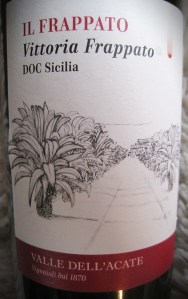
Il Frappato | Vittoria Frappato | DOC Sicilia | Valle Dell’Acate

  • 100% Frappato dry red wine
  • 12.5% ABV
  • Price between $20 – $30, depending on where you purchase
  • Aromas of cranberry, strawberry, and herbs blast out of the glass. I have never smelled anything quite like this wine. This is up there in terms of all-time favorite smelling wines.
  • On the palate: high acid but with soft fruity tannins. Delightful slightly chilled. Made for food.
  • From the winery’s tasting notes: “Aromas are fresh and overpowering with hints of red fruits, blueberries, raspberries, blackberries, violet flowers and sage. Fresh and vivacious flavors with a pleasant and persistent closing. Medium bodied with silky tannins. Best paired with fresh and aged cheeses, Sicilian red tuna, sushi and sashimi.”

I first tried this Frappato along with some other fantastic wines from this same winery at Arista Wine Cellars in Edmonds, Washington. My husband and I were so smitten with this baby we purchased a bottle and then ordered three more shortly thereafter.

The Tenuta Valle dell’Acate estate is in the southeast corner of Sicily and boasts organic vineyards. In the last 15 years or so, the quality of Sicilian wine has improved by leaps and bounds, thanks to better vineyard practices and new folks carrying out the work of growing the grapes and making the wine. As our tasting sheet noted, “It’s a good time to be drinking wine from Sicily.”

This may be true, but caveat emptor! In addition to this wine, I have tried two other Sicilian Frappatos, and neither one was molto bene. So keep in mind that not every Frappato will be as noteworthy as this one. This is the one to get!

To order this wine, purchase here.

As this wine is such a wonderful partner for food, I’ve also got an EASY dinner recipe that goes beautifully with this wine. Here is my riff on Joanna Gaines’ Grilled Raspberry Chipotle Pork Tenderloin from the Magnolia Table cookbook, adapted for the oven instead of the grill. As she states in the recipe introduction, this was the first way she cooked pork tenderloin and it’s been the only way she’s done it since. Ditto!

To round out the meal, serve it with steamed green beans, and either potatoes or rice.

Raspberry-Chipotle Pork Tenderloin
Recipe adapted from The Magnolia Table Cookbook by Joanna Gaines
Yields 8 servings

INGREDIENTS

  • 24 oz. bottle raspberry-chipotle sauce, preferably Fischer & Wieser (too much – save some to serve on the cooked pork)
  • 1/2 cup soy sauce
  • 4 T honey
  • 8 garlic cloves, finely chopped
  • 2 tsp. garlic powder
  • 2 tsp. garlic salt
  • 2 lbs. pork tenderloin
  • Vegetable oil

INSTRUCTIONS

  • Preheat oven to 400°F.
  • In a bowl, whisk together the raspberry-chipotle sauce, soy sauce, honey, garlic, garlic powder, and garlic salt. Place the pork tenderloins in a Pyrex baking dish and pour over the marinade. Roll it around a couple times to thoroughly coat. Cover and marinate in the refrigerator for 6 to 8 hours.
  • Remove the pork from the marinade and place it in a greased baking dish. Brush the pork with some of the marinade, then discard the remaining marinade.
  • Bake until pork reaches a safe internal temperature of 145°F
  • Transfer pork to a cutting board and let rest for 15 minutes. Slice crosswise and serve.
  • Tightly wrap leftover pork in plastic and store in the refrigerator for up to 3 days. Leftover cooked pork can dry out if reheated, but it makes delicious cold sandwiches and a quick taco filling.

Have you tried Frappato? Or made this recipe before? Comment!

Albariño: A Spanish White to Sip this Spring + Recipe

Happy Spring, readers! We are now fully plunged into the midst of this glorious season (at least for those of us who don’t have allergies). Hopefully you are being met with plenty of sunshine, gentle breezes, beautiful flowers that don’t make you reach for the antihistamines, and wine aplenty! 🙂 🍷

While any type of wine is perfectly fine any time of year, there are certain types of weather and seasonal cuisine that spur us to open up specific bottles for specific times. Ain’t nothing wrong with that.

One white wine that I haven’t gotten to know and appreciate until now is Albariño. I’d heard it praised among “folks who know” but the scant times I’d tried it my world did not turn upside down and it left me feeling “meh” in much the same way most Pinot Grigio does (unless they’re these). Those disappointing recommendations can cause you to question the “experts” and wonder why you’re not picking up on the same qualities they are. It can lead to self-doubt. Exploring wine should be fun and lead to self-confidence, even if you disagree with another’s assessment of a wine.

It wasn’t until I took a Spanish wine class that I tried a delicious one and understood a little better what makes this wine special. It made me say, “Whoa!” which in wine tasting is usually a good thing (depending on vocal inflections, of course). This white immediately captured my attention and is well worth seeking out for its great taste, price, and versatility. Your spring wine arsenal is incomplete until you get this!

But first, a brief bit of background on this fun-to-say grape from its fun-to-say place: Albariño (Al-ba-ree-nyoh) is a thick-skinned white grape grown in the region of Rías Baixas (REE-ahs BYE-zhas), in northwest Spain, or Galicia. Galicia, also known as Green Spain, is situated near the Atlantic coast, where abundant rainfall yields abundant greenery. Here, Albariño is made into a lively white wine that is drunk with seafood, and this hallowed pairing has become famous the world over. As someone who lives in the Pacific Northwest, another seafood destination with a climate similar to Rías Baixas, it puzzles me that I haven’t heard Albariño touted more often in restaurants and other wine settings? Well, time to upset the wine press and show this grape the amor it deserves!

Albariño Val Do Sosego Rías Baixas
Denominación de Origen
Albariño Val Do Sosego Rías Baixas

  • $18.99 at Total Wine & More
  • ABV 12.5%
  • Great citrus, peach, and mineral aromas
  • Pale straw yellow
  • Medium body
  • Great acidity in the mouth but not so much that that’s all you get
  • This has a little more fullness/roundness/body/elegance like you get from a Chardonnay, but still with the zippy, highly aromatic fresh fruit you get from a Sauvignon Blanc.
  • This Albariño is beautiful, delicious, spring worthy, and a very agreeable change of pace from your regular white wine (unless that happens to be Albariño, ha! But even so, hunt down this particular wine!). 🙂

I may have mentioned this before, and I believe it still holds true, but Spanish wines have some of the best price to quality ratios in the world (quality is about double the value, at least in the US). So if you buy a bottle of Spanish Tempranillo in the US for $30, the quality of the wine will be on par with more of a $60 bottle of wine. And another one of my favorite things about Spanish wines: because of aging requirements, they are ready to drink upon purchase. No scratching your head, googling how long to age a particular bottle, etc. Open and chug (after decanting, if needed)! Best. News. Ever.

While I did not whip up any fancy seafood dishes like octopus or halibut to pair with this wine (if you do let me know what you made), I did find a tasty and easy recipe that I think you will dig, especially for the spring season, when lighter foods are more de riguer. Here is a lovely light lunch to accompany a glass of this Albariño. I personally found the ratio of bread to filling to be lopsided, so I would recommend more of a tartine/open-faced sandwich concept: a griddled piece of herbed foccacia, topped with the cheese mix, and then with a lightly dressed (O & V) spring mix side salad to balance the dish. You can also use it as a cracker dip. Keep it as a sandwich if you like; it was just way too much bread for me in one sitting (but if you’re drinking a lot maybe you need those extra carbs). 😉

Whatever you do, drink this Albariño outdoors on a beautiful spring day with a friend. It will taste even better. ¡Salud! 🌷

Cherry Ricotta Tartine
Recipe adapted from Jackie Freeman’s book, A Hearty Book of Veggie Sandwiches
Yields 4 servings

INGREDIENTS

  • 1/2 cup dried tart cherries
  • 1 cup ricotta cheese
  • 1/2 cup grated Parmesan cheese
  • 1/2 cup sliced almonds, toasted
  • 2 tsp. fresh orange zest
  • 1 tsp. chopped fresh thyme
  • Kosher salt and freshly ground black pepper
  • 4 pieces herbed foccacia bread, sliced in half
  • Extra-virgin olive oil, for grilling

INSTRUCTIONS

  • Soak the cherries in hot water for 15-20 minutes. Drain well and chop.
  • In a bowl, combine the cherries, ricotta, parmesan, almonds, orange zest, and thyme. Season to taste with salt and pepper.
  • Preheat a panini press or skillet over medium-low heat. Spread each slice of foccacia bread with olive oil. Griddle bread until deep golden brown. Remove, and top with cheese mixture, and serve along side salad.

That’s One Way to Do a Blind Tasting

Disclosure Statement: This post contains affiliate links. When you click on an affiliate link and make a purchase, I receive a commission at no additional cost to you. All opinions are my own.

Remembering My First Attempt at a Blind Wine Tasting

COVID-19. That word elicits an entire gamut of reactions – from sorrow, fear, panic, to annoyance, anger, and even indifference and eyerolling mockery. I think all of those were certainly warranted at various times, of course depending on our opinions of the whole situation and who we were trusting as a reliable news source. Regardless, it’s a word and a reality we all hope never to have to visit again. But it did force us to be creative and adaptive, I’ll give it that.

The COVID-19 pandemic presented humanity with the unique situation of having to learn how to deal with our unmet needs and wants in an environment devoid of 98% of our social norms and interactions. For me, I made do for a while – I pride myself on being able to suffer a great deal of monotony, thanks to past jobs and present parenthood. But after months of tedious isolation from the lockdowns, I was bursting at the seams for social interaction and, namely, festivity. A party. Specifically, a blind wine tasting party, where several wines would be visually sized up and sipped without any knowledge as to the wine’s identity. Within my bubble, obvi. So I roped my husband and in-laws into it (they were happy to have an excuse for a party at that point, too) and made it happen.

Because I wanted to participate, too, the wines needed to be kept a complete mystery, even to me, the party organizer. So I called my local Total Wine & More store, and explained I needed to make a secret purchase. I told them I was looking for four bottles of red wine, each a different single variety (like Merlot or Pinot Noir), each from a different region. When the store associate asked me over the phone what my budget was, I told her $60, under the assumption she meant my total budget for the purchase. She was happy to make the order happen. The store even bagged each bottle and boxed it up securely so I would have no idea as to the contents. I even handed my debit card to the cashier and she rang me up without a word and then I shoved the receipt elsewhere.

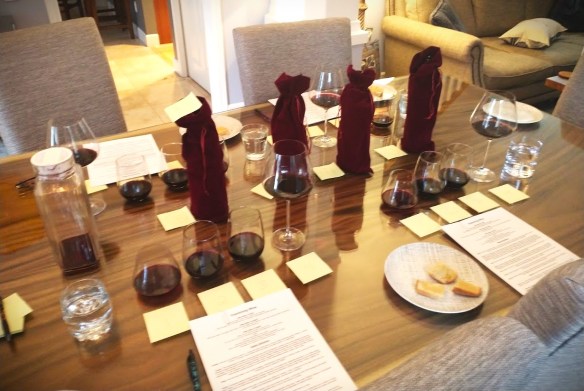
The tasting was a lot of fun. The four of us enjoy great wine, and whatever our Total Wine person had picked out was indeed great. Maybe a little too great for an approximate price of $15/bottle, but I was going to wait until the end to find out. I put together elaborate tasting sheets fit for professional sommeliers. I even stuck the bottles in red velvet drawstring wine bags like door prizes at a bordello. Clearly, I take my wine tastings damn seriously. 😉

Blind Wine Tasting Party

My kind of game night: guessing grapes! 🙂

We tasted all four wines and attempted to guess the grape variety and country of origin for each one. Just those two things alone were hard enough! We talked through all the characteristics and traits of each wine, creating our own quartet of sniffing, swirling, slurping, and sipping (spitting has no place in a pandemic), and volleyed around our best guesses as to why this one tasted European or that one might be a Syrah, etc. It was a lot of fun for me to practice what I had been learning the last few months with my online wine course and readings. We wrote down our best guesses on our worksheets, and then finally unveiled the wines.

It was educational to compare what we experienced with the revealed wines. I did not guess anything correctly, and I don’t think anyone else did either, unless it was one part of the answer like the grape or the country. Tasting wine blind is like taking a test: it’s your best educated guess, based on what you know in that moment from the facts at hand interpreted through your own experience. But that was without a doubt the most fun test to ever fail.

It was also highly educational (ahem) when I finally uncrumpled my receipt and realized, to my astonishment, that Total Wine had interpreted my $60 budget not as the total for the order, but the average price of each individual bottle of wine! No wonder they were all so good! 🙂

I cannot find where or if I wrote down the exact names of the wines, but I did write down the general categories and one producer.

Just for fun, here are the wines we had. The majority were superbly delicious:

1) Brunello di Montalcino (Sangiovese from Italy)
2) Napa Valley Cabernet Sauvignon (California)
3) Rhône Syrah (France)
4) 2010 Betz Family Winery Yakima Valley Syrah (Washington) (This one, sadly, was a little past its prime, and the cork crumbled on us)

Lesson learned: if I attempt a blind tasting this way in the future, I will be extremely clear on price with my salesperson. But since it’s not every day I get to drink outstanding wines like these, I decided it was well worth it. And especially during an awful time like the pandemic, it was all the more reason to indulge.

Wine.com

Broaden Your Cab Horizons with Coonawarra

Disclosure Statement: This post contains affiliate links. When you click on an affiliate link and make a purchase, I receive a commission at no additional cost to you. All opinions are my own.

Coonawarra Offers Intriguing Change of Pace from Your Usual Cab

Lo and behold, we are officially one-fourth of the way through 2024. Gulp/gasp.

How’s the year going for you so far? Have you ditched your resolutions yet, or are you still holding strong and leveling up in your life goals? Or did you set “intentions” rather than resolutions?

Most importantly, how many new wines have you tried so far this year – new-to-you grapes, regions, producers, styles? How are you expanding your wine horizons? Deliberately opening up wines from new-to-you places makes for an exciting journey, and it’s usually a lot cheaper than hotels, rental cars, and airfare. 🙂

Let’s take Cabernet Sauvignon. It is the quintessential red wine: bold. Fruity. Tannic. Powerful. Complex. Utterly captivating. Sounds like a leading male character in a bodice ripper! Who can resist its seductive charms?

If you’ve been tasting wine long enough, no doubt you have tried some of the more popular appellations for Cabernet Sauvignon – France (Bordeaux Blends), California, Washington, and many others. There are bajillions of outstanding examples the world over – enough to blog about for 50 lifetimes. And chances are you have your favorite Cabs, I know I do  – for me, Washington, California, and Chile.

But were you aware that Australia is home to some remarkable and distinct Cabernet Sauvignon that is deliciously different from your usual go-to? Maybe you even knew that Shiraz and Chardonnay were some of their top wines, but today, prepare to be pleasantly surprised by their Cabernet Sauvignon!

Now, Australia is a HUGE wine-growing country with TONS of different appellations. Today I am only focusing on one of them, the Coonawarra region.

You may be glancing below at my picture of The Cigar and having images of Al Capone or The Godfather dance through your head. Actually, not quite the reference they were going for. According to Yalumba Winery, “The Cigar is named after the unique cigar-shaped strip of rich red terra rossa soil found only in the Coonawarra.” The soil gets its red color from iron oxide. It is ideal terroir for growing Cabernet Sauvignon, contributing to full body and excellent structure.

No, it does not taste like a cigar….

Here are some facts and my opinions about the
Yalumba The Cigar Cabernet Sauvignon 2018:

  • $38.99 at wine.com
  • Concentrated, full body, 14% ABV
  • Deep ruby, slightly opaque
  • Intriguing aromatics on the nose: mint/eucalyptus, floral (violet/lavender), blackberry, plum, hay, strawberry cream, black currant
  • Flavors: black currant, plum, cherry
  • Luscious, nice level of acidity
  • Strong fruit but it’s not center stage, more of a supporting character on the side
  • Beautiful tannins that are powerful, strong, and gripping but fine
  • Beautiful acidity that comes back up and around in your mouth so you keep craving another sip
  • Excellent, long, complex finish

This was a fascinating wine to try and I would gladly recommend it. Consider it a challenge to change up your usual red wine routine and dig into Coonawarra Cabernet Sauvignon!

Fun fact: did you know that the eucalyptus notes you often get in Australian reds are due to actual oils from nearby leaves blowing onto the vineyards? Strangely enough, the aroma compounds do end up in the wine!

Terroir.

Magical.

NatGeo Award Classics Campaign

In Praise of Pinot: Two Eggcellent Choices for Easter

Disclosure Statement: This post contains affiliate links. When you click on an affiliate link and make a purchase, I receive a commission at no additional cost to you. All opinions are my own.

Good morning?

Here we are on Good Friday, commemorating one of the most gruesome and horrific sacrifices in history, and I’m about to blabber away about Pinot Noir. The cup of wine that Jesus said represented his shed blood had now been literally poured out in his own death. There is something heavy and solemn about this sacred holiday that makes one feel a little off kilter, and it feels completely foreign to talk about celebrating on a day like this. Even my coffee demands to be drunk black today because anything else seems wrong.

But the end is not unknown, and there exists the hopeful realization that in just two days it will be Resurrection Sunday. Death doesn’t have the final say and the great suffering borne out of love accomplishes its purpose.

With that all kinds of fooding and feasting will commence, so it’s up to me to prepare you for such things and get you your wine recs in time. 🙂

I gabbed with you last year about the delights of Pinot Noir and Easter fare, and since my Pinot Noir recommendation cup runneth over, we are circling back to the same leitmotif with two new ones for 2024.

These two wines stole my heart last year at the McMinnville Food + Wine Classic, and while I gave them some brief lip service in my review of last year’s event, I have not spilled all the exclusive juicy details… until now!

Pinot Noir is one of the most food-friendly red wines available, thanks to its usually light to medium body and fruit/acid/tannin profile. These two elegant, refined, and beautiful Pinots are both worthy of a fine Easter meal (or whatever the occasion may be). They are fantastic on their own, but they are the awesome sauce to pork, lamb, duck, chicken, turkey, beef, fish, and vegetable/grain mains. You name it, it tends to work great with it!

Without further ado, here are two excellent Pinot Noirs for your consideration:
Patton Valley Vineyards Lange Estate Vineyard Pinot Noir

Patton Valley Vineyard Pinot Noir 2018
Lange Estate Vineyard
Dundee Hills AVA
$60/bottle
14.7% ABV
Per the bottle: “Planted in 2004, the Jory soils from this high elevation Dundee Hills site produce grapes that yield vibrant and aromatic wines. Partial whole cluster fermentation, combined with naturally vibrant acidity, gives this wine structure to balance the ripe and luscious profile.”
Absolutely enchanting and divine, is what I call this Pinot. And no wonder, as the grapes herald from one of my top favorite Willamette Valley AVAs (Dundee Hills). It’s got good acid so it makes for a good food-pairing Pinot. Do yourself a favor and pick up this wine, which boasts a “lush red fruited nose” and a “broad and silky palate.”
https://www.pattonvalley.com/Domaine Lumineux Pinot Noir

Domaine de Broglie 2019 Pinot Noir
(N.B.: The winery is now known as Domaine Lumineux but they are still selling some of their wines with the former Domaine de Broglie labels)
A Francis Coppola Wine | Clone 777 | Domaine de Broglie Vineyard, Dundee Hills

  • $62/bottle
  • ABV 13.4%
  • Medium garnet color
  • Bouquet that unfolds exquisitely in the mouth
  • Cherry, strawberry, chocolate, earth, mushroom, tea, and some subtle anise/licorice
  • Acidity is there and just right
  • Fruit is present but gentle and balanced
  • Long-lasting finish
  • From the bottle: “Clone 777 is known for producing low yielding, compact clusters that lead to rich, dark fruit flavors and notes of spicy leather on the velvety finish.”
  • My tasting notes at the time: “Wow! Heck yes. Awesome!”

Yet another Dundee Hills Pinot Noir, but what a stellar one! I clearly have my favorites. 🙂 (I will delve into some other really great Oregon Pinot AVAs in the future). Among other accolades, this particular wine won “Best of Show” and “Best Red Wine” at the 2023 McMinnville Wine Competition. I knew I had encountered something truly special when I first sipped it.
https://domainelumineux.com/

Ahhhhhhhh….

So there you have it: primo Pinot. The fancy sort that I find quite irresistible and perfect for opening up on special occasions. Perfect for celebrating the greatest universe-altering day in human history: when grace conquered sin and life conquered death.

Have you sipped either of these wines or others from Patton Valley Wines or Domaine Lumineux? What are you drinking for Easter? Let me know in the comments.

Happy Spring and Happy Easter. 🌷

Wine.com

When Irish Eyes Are Smiling: A GSM to Steal Your Heart Away

Disclosure Statement: This post contains affiliate links. When you click on an affiliate link and make a purchase, I receive a commission at no additional cost to you. All opinions are my own.

Happy Pi Day, readers! It’s hard to believe it’s been one month already since Valentine’s Day. I don’t have any pie recipes for you today (see my Valentine’s Day post on grape galette), but with St. Patrick’s Day looming, I thought I would pull out a cherished bottle from my wine cellar with an utterly fitting name: Irish Eyes. Cue the Bing Crosby song.

This lovely bottle came home with me after a Saturday out tasting solo in Woodinville (a city in Washington state with a bajillion wineries). This wine was not part of the tasting flight that day but I am sure glad my server poured it because it stole my heart and I had to go home with it. As a matter of fact, both wines I purchased that day from two different wineries were not on the flight menu, including a ridiculous Cab Franc that I need to write about soon.

For those of you who don’t know, GSM stands for the three red grape varieties of Grenache, Syrah, and Mourvèdre. These three varieties comprise a famous red wine blend you’ll find traditionally in France’s Rhône Valley and also Spain’s Catalonia region. There is a reason these three grapes are frequent bottle-fellows. Here is a quick snapshot of what each grape variety is like and what each typically contributes to a blend:
Grenache: raspberry, cherry flavors. Medium body, low/medium tannin and acid, high alcohol.
Syrah: blueberry, plum, smoke, pepper, meat flavors. Full body, medium tannin, alcohol, acidity.
Mourvèdre: dark fruits, chocolate, velvety texture. Deep, dark, inky color. Full body, high tannin, medium high alcohol, medium acidity.

Together, they make some of the world’s greatest wine blends. 🍷

Irish Eyes is made by Tinte Cellars, and named in honor of the owners’ Irish parents. Tinte Cellars crafts premium Washington state wine, as evidenced by this exceptional bottle. But not only are they making award-winning delicious wine, they are engaged in a wide range of charitable activities. The family-owned business operates to give back generously to the community through a robust philanthropic program. Check out all the cool things they are doing here. All the more reason to visit them for a tasting, take home a bottle (or a few), and maybe even join their wine club. It sounds like they have a lot of fun doing good. ❤

Here’s their take on a GSM blend:

Tinte Cellars Irish Eyes Red Wine

You’ll be smiling once you sip this wine.

Tinte Cellars 2018 Irish Eyes Red Wine Columbia Valley

  • $48/bottle
  • Composition: 41% Grenache, 39% Syrah, 20% Mourvèdre
  • Alcohol: 14.8%
  • Color: Deep ruby
  • Aromas: Raspberry, Blackberry, Plum, Pepper, lavender/rosemary, smoky, touch of leather, orange peel
  • Flavors: cherry jam, orange pekoe tea
  • Tannins: Very soft, gentle, velvety, in the background
  • Body: medium
  • Acidity: Moderate. It’s there to play enough of a role but it’s super even-keel.
  • Finish: Not super long. But not super short, either.
  • Winemaker’s Notes: “Aromas of mixed berries and black tea give way to cherry jam and orange zest on the palate. The finish treats you to berry punch and a hint of butterscotch.”

This wine is delicious on its own so it does not need any food to go with it. I happened to drink some of this along with my dinner of Smoky Lentil Stuffed Sweet Potatoes, and it was very tasty.

I don’t think you can go wrong pairing this with corned beef and cabbage. It certainly has the structure to handle juicy beef and other typical St. Paddy’s Day fare. We are having our Irish feast on Sunday, and my mouth is watering just thinking about the menu. I’ll even be whipping up my Bailey’s Irish Cream cheesecake for dessert. 😋

Have you tried this wine? What did you think? Let me know in the comments.

Happy St. Patrick’s Day, and Happy Almost Spring! 🍀

Spring mix from my yard

Spring is springing! My daughter’s “salad” made from weeds and grasses pulled from our yard – I love all the shades and textures of green.

NatGeo Award Classics Campaign

Love You Bunches Grape Galette and Sparkling Wine

Disclosure Statement: This post contains affiliate links. When you click on an affiliate link and make a purchase, I receive a commission at no additional cost to you. All opinions are my own.

Happy Valentine’s Day, readers! ❤ I hope you fell in love with the dark chocolate + ruby port duo we explored yesterday. For my final post in this mini themed series, I am leaving chocolate behind, diving into homemade dessert territory, and popping open a bottle of bubbly to accompany it. Intrigued? Read on!

I have to admit I am not the biggest fan of sparkling wines (including Champagne), which is reflected in the number of posts I have written on the subject. But every now and then I reluctantly try some more to see what the fuss is all about grow in my appreciation and understanding of wine. In order to keep learning, I have to challenge myself with all wines, even ones I don’t gravitate towards (yes, I mean you, rosé). What’s making me take more notice of sparkling wine lately though is the fact that it can pair well with a number of different types of foods.

I have Total Wine & More to thank for introducing me to this charming sparkling wine from the Burgundy region of France, known as a Crémant de Bourgogne. While these wines are made in the same méthode traditionnelle as their famous neighbors in Champagne, they cannot be called Champagne due to the fact that they are not from the geographic region of Champagne, France. Remember, European wines are usually called by place, not grape variety. This is helpful to us consumers who enjoy sparkling wine once or twice a year but don’t need to spend an arm and a leg on a bottle of the fancy stuff (although there is nothing wrong with loving the fancy stuff). Options like Spanish Cava, Italian Prosecco, this gorgeous sparkler from California, and today’s Crémant de Bourgogne are handy to keep in mind whilst shopping for bubbles.

Louis Bouillot Extra Dry Sparkling Wine

Louis Bouillot Extra Dry Sparkling Wine

  • $25/bottle at Total Wine (approximately half the starting price of true Champagne)
  • 12% ABV
  • Medium body with some sweetness (extra-dry actually means more sugar than brut/dry – I know, makes zero sense), focused and tight perlage (bubbles)
  • Some yeasty aromas but also peach, apple, pear flavors
  • While I am not reviewing the Brut here, it is available on wine.com for you to try, where it retails for around $18-$20/bottle. This one will be less sweet.
  • I definitely recommend this wine, and am already excited for the next time I can pop open another bottle.

When it comes to desserts, I prefer anything in the chocolate, cake, and cookie departments, but that’s not to say I never diverge into other territories. Plus, it’s Valentine’s Day, so I am considering my husband’s preferences here, which fall squarely in the pie and fruit dessert departments. 🙂

This dessert uses only FOUR ingredients and is a snap to throw together, even for non bakers. Plus, how often do you see a dessert made from grapes anyway? Take this unusual recipe for a spin and pair it with this lively and refreshing sparkling wine. Together, they bring out the best in each other (yes, you can use that in your Valentine’s Day card if you must). 😉

Happy Valentine’s Day! ❤

Please note, this galette is very sweet, and for me personally it’s a bit much when paired with the sparkling wine. To tame the sugar a bit, slice up some rich, creamy Brie cheese to balance out the high levels of sweetness in the dessert and also complement the sparkling wine.

For additional dessert ideas from The Rambling Vine, check out:
Sparkling Rosé Cake with Candied Roses
Snickers Cheesecake
Oatmeal Chocolate Chai Tea Cookies

Love You Bunches Grape Galette
Serves 8
Recipe courtesy of Oregon Wine Board
Adapted from Kristin Marchesi of Montinore Estate in Forest Grove, Oregon

Ingredients

  • Pie dough rolled out into a large circle 18-20 inches in diameter* (I used a Jus-Rol pre-rolled pie dough and literally unwrapped it, plopped it on the baking sheet, poured the fruit filling inside, and folded the dough up and around the sides to make a galette)
  • 1 pound seedless grapes (no slicing required, just wash them)
  • 1/2 – 3/4 cup sugar, depending on tartness of grapes
  • 2 tablespoons cornstarch

Preparation

1) Whisk the sugar and cornstarch together and then add it to grapes. Stir to combine until the starch is completely hydrated and sugar has evenly coated the grape skins.

2) Place the dough on a sheet tray lined with parchment paper. Pour the filling into the center of the dough circle and fold the edges over the filling covering the perimeter but not the center. Chill for 20 minutes.

3) Preheat the oven to 400° and bake the galette for 10 minutes, then reduce the heat to 350° and rotate the sheet tray. Continue baking for approximately 30 minutes until the crust is golden brown and the filling is bubbling. Cool for at least 30 minutes before serving.

Love You Bunches Grape Galette

Easier than pie – galette!

Get up to 40% off Select Gift Baskets and Free Shipping on orders of $49+ Code: FREESHIPGIFT