A French Connection for International Chardonnay Day

Disclosure Statement: This post contains affiliate links. When you click on an affiliate link and make a purchase, I receive a commission at no additional cost to you. All opinions are my own.

Today is a double whammy: May 25th is International Chardonnay Day, as well as National Wine Day for the USA. I must be insane or a glutton for punishment for posting twice today, but oh well. You have your wine reading cut out for you for a while! 🙂

For National Wine Day, I am saving a little bit of time by utilizing an expert on Virginia wine, Matt Fitzsimmons. I took this as an excuse to learn about wine in a different part of my country. Matt has his own blog over at Wine Trails and Wanderlust, and he is graciously letting me reblog his post on Virginia wines for this holiday. His excellent post covers all you need to know and then some about Virginia wine (don’t worry, it’s not too long, I made it sound like it might be lengthy). Do check it out! You will learn a lot and get bit by the wine travel bug (I know I did!).

So for International Chardonnay Day, then, I thought I would turn to La Belle France, birthplace of the esteemed Chardonnay grape. For Americans who are not experts or at least moderately familiar with them, European wines can often be mysterious and perplexing. But with a few recommendations to point you in the right direction, you can be well on your way to enjoying some truly lovely wines from Europe. I love my local and American wines, but branching out to other continents is great fun. Don’t let it scare you, and don’t be a vino xenophobe! 🙂

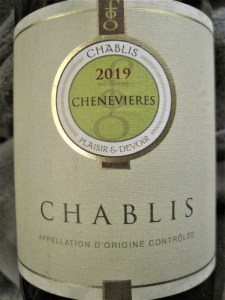
The French region of Burgundy is world-renowned for its Pinot Noir red wine and Chardonnay white wine. This particular Chardonnay I selected is from the Chablis appellation in Burgundy.

Domaine Chenevieres Chablis

The perfect place to begin exploring fine French Chardonnay… Chablis

2019 Domaine Chenevieres Chablis

  • Appellation d’Origine Controlee
  • Currently $27/bottle at Total Wine
  • 12.5% ABV
  • Medium body
  • Elegant, crisp and refreshing, good minerality (this is not a rich, buttery, oaky California or Australia Chardonnay with tropical fruit flavors)
  • Delicate balanced fruit profile – pear, apple, mandarin, apricot, floral – if white wines like Sauvignon Blanc and Pinot Gris make you pucker with their tart citrus flavors, you might be more receptive to gentler, rounder Chardonnay

Here’s how and where this wine was made:

“Domaine Chenevieres is located in ‘La Chapelle Vaupelteigne,’ a hamlet located in the northern side of the Chablis appellation in Burgundy. 100% Chardonnay vines grown on a plateau with kimmeridgian limestone soils. Fermentation with indigenous yeasts in stainless-steel vats to preserve the minerality and purity of the fruit.”

According to Wine Enthusiast, limestone soils are naturally alkaline with high pH levels. Limestone is essentially calcified sediment from shells, coral, and other seabed debris. Because of this unique chemical composition, limestone soil is reputed to increase minerality and acidity in the grapes that grow in it, although many scientists claim the evidence is lacking. I say the proof is in the pudding, and if you try this Chardonnay you can’t miss the definite mineral character of the wine and the unique influence the soil sure seems to have on the grapes. Yet the debate rages on….

I really liked this Chardonnay, and would gladly buy it again, either when I’m in the mood for such a wine or looking for a really nice white wine to go with seafood. The price wasn’t so out of the park that you felt like you’d been socked in the gut. This is a great white wine to keep in your back pocket (so to speak) for bringing to dinner parties or any event where there will be white wine/Chardonnay drinkers.

Total Wine also sells several other Chablis from Domaine Chenevieres, from different vineyards and classifications. I believe the higher prices reflect higher quality or more prestigious vineyards. I was perfectly satisfied with the $27 introductory bottle, but you do you.

Salut to Chardonnay, and Vive La France! ❤

Happy International Chardonnay Day! Do you have a favorite? Comment below!

Nat Geo Wines of the World

Celebrate Oregon Wine Month with Baco Noir Dessert Wine

Disclosure Statement: This post contains affiliate links. When you click on an affiliate link and make a purchase, I receive a commission at no additional cost to you. All opinions are my own.

How is this month slipping away from us SO quickly? And by the way, spring seemed like a flash in the pan this year, are we in spring or summer? My brain and body are having a hard time distinguishing what mode we are in. So before any more time sneaks away, it’s time to devote a post to good Oregonian juice in honor of Oregon Wine Month!

I ADORE Oregon wine, do you? Perhaps a large reason is that I have spent a lot of time down there exploring and trying lots of wines, so the gorgeous settings and scenery have helped seal my devotion. I would probably say similar things about other places if I visited them more often.

I love all varieties and styles of wine and Oregon has an incredible range to offer. There’s so much more than simply Willamette Valley Pinot Noir (although that’s one of my favorites) – I thought we’d journey farther south in the state and also venture into dessert wine territory, which we haven’t been to in a while. Baco Noir is a rare grape that here has been made into a dessert wine. Port fans, pay heed!

Melrose Vineyards is an estate winery located in Roseburg, Oregon. Roseburg is located in the southern part of the state, in the Umpqua Valley AVA. The climate is Mediterranean, with very warm and dry summers and cool and wet winters. Summer also has greater diurnal temperature variation than in winter.

So what is Baco Noir? According to Wikipedia, Baco Noir is “a hybrid red wine grape variety produced by Francois Baco from a cross of Vitis Vinifera var. Folle Blanche, a French wine grape, and an unknown variety of Vitis riparia indigenous to North America.” Baco Noir is cultivated throughout Oregon, including River’s Edge Winery in Elkton, whose Pinot Noir I introduced you to a while back.

We found this wine when we wandered into Face Rock Creamery in Bandon, OR last summer (try their Vampire Slayer Cheese Curds!). The Creamery is a mecca for gargantuan ice cream cones, especially in the warm summer months. Seeing we had kids in tow, the kind gal inside almost stopped us at the door and let us know that sadly they were out of ice cream that day. We told her that was OK; we were there for the cheese – and turns out the wine, too! Their retail store has a great selection of various Oregon wines and I couldn’t help picking up a couple unusual bottles while we were there, along with some cheeses. This was one of the bottles.

Solstice Solera VII Melrose Vineyards Baco Noir Dessert Wine Umpqua Valley

Solstice Solera VII Melrose Vineyards Baco Noir Dessert Wine Umpqua Valley

Solstice Solera VII Melrose Vineyards
Baco Noir Dessert Wine Umpqua Valley
Melrose Vineyards, Roseburg, OR
$19/bottle
ABV 19.8%
“It has layers of woven complexity of currant, fig, praline caramel, with deep tones of dark chocolate. The age of this VII Solera became accentuated with the most recent vintage to keep the fruit in focus and amazing. The winemaker’s favorite longstanding wine.”

My husband adores this wine. I also loved it, and I wish I had taken more technical, detailed notes, but alas, that did not happen. I recall it being heavy but elegant, rich, warming, lovely sweetness, and alluringly complex. Like a Port in some ways but also something completely different. Basically… YUM!

I think this sumptuous dessert wine could be very congenial with pecan pie, marionberry cheesecake, or a brownie, or else some tasty cheeses and fresh fruit. I have not personally tried any of those pairings (I may be BSing right now?) 😉 but I have a hunch those would all work.

Cheers to Oregon, its wine, and the “lush-y” month of May! What delightful wines from Oregon have you found? Share!

Explore Wines from Across the Country.

Vindicated: Befriending Pinot Grigio

Disclosure Statement: This post contains affiliate links. When you click on an affiliate link and make a purchase, I receive a commission at no additional cost to you. All opinions are my own.

Good morning! I’ll bet you weren’t aware today is National Pinot Grigio Day… yup. For a country that once outlawed booze, we sure have a lot of alcohol-centric holidays now. Making up for all those lost years, I suppose.

Anyway, just to be clear: Pinot Grigio and Pinot Gris are the same grape. Pinot Grigio is the Italian name and Pinot Gris the French name. American-made wines tend to be labeled Pinot Gris. I may use them interchangeably in this post, but I mean the same thing.

As you may remember from days of yore, I’ve whined about how Pinot Grigio is probably my least favorite wine grape: for one, it’s white (sorry white wines, you’re just a different category altogether) and two, the acidity is usually quite high for my taste, the flavors simple, and the overall effect un-astounding and mildly unpleasant. I’ll drink it with seafood if it’s the only thing lying around, especially to cut a rich dish, but it’s with great reluctance.

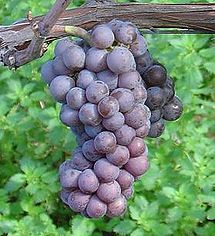
Pinot Gris

“Pinot Gris, why is it so hard to love you?”
Photo by Andrew Fogg.

But it’s such a popular wine, and I love wine (even ones that aren’t my all-time favorites), so why haven’t I been able to come to terms with it? It’s like the TV show, Friends… it’s just not funny to me (Coupling, though, is a different story).

Today I’m taking this holiday as an opportunity to learn and grow (#selfimprovementgoals) in my appreciation AND my enjoyment of Pinot Gris – they can’t all be that bad. Perhaps you’re in the same boat of blasé indifference to Pinot Gris: if so, there is hope! Let me throw you a lifeline to not just mediocre, but exceptional Pinot Gris!

Here are two Pinot Gris I love and ❤ heartily ❤ recommend; one from Washington, the other from Oregon. Both are shining stars in their own right, and have awards to prove it.

The first is an estate-bottled Pinot Gris from Washington state, from one of my favorite wineries ever, Skagit Crest Vineyard & Winery. See my other reviews of their Pinot Noir and Pinot Blanc — and now I’m completing the Pinot trilogy, ha! 🙂

Skagit Crest’s Pinot Gris is electrifying in its overall effect. If you’re a Pinot Gris doubter/hater/meh-er, you’ll be shocked at what Pinot Gris can be and do with this wine. I sampled it a few months ago at the La Conner tasting room and WOW! It has fantastic, luscious flavors and strikes that perfect balance of body/acid/alcohol/tannin/sweetness that Skagit Crest is famous for.

Here are the details of this wine:                              Skagit Crest Vineyard & Winery Pinot Gris Puget Sound

  • $17/bottle (where to purchase)
  • 12.5% ABV/light-medium body
  • Pale straw color
  • From the tasting notes: “Grassy herbal aromas with flavors of melons, peaches and apricots and hints of citrus fruit. Mellow lasting honeydew finish.”
  • Trophy case: Double Gold Medal – 2022 Platinum Judging
    Gold Medal – 2022 Bellingham Wine Competition

(*Note to self: Buy some more Skagit Crest Pinot Gris next time in La Conner!)

To represent the great wine-producing state of Oregon, I selected the Portlandia Pinot Gris, and not just because I’m a sucker for the TV show, Portlandia. Portlandia Vintners was founded in 2008 to create delicious Oregon Pinot Noir and Pinot Gris (and now some others including Cabernet Sauvignon) at prices that don’t make you weep with agony (here, here!). It’s been a while, but I have also had the Portlandia Pinot Noir and it was very good wine at a very good price. I’ll blog about it some other time.

I tried the Portlandia Pinot Gris at a party to take a break from red and was gobsmacked at the deliciousness of this wine. In fact, I kept going back for repeated small pours to be sure this wine was as good as it came across, since I just couldn’t believe it (and sho’nuff, ’twas).

Word to the wise: if you love Oregon Pinot Noir, give Oregon Pinot Gris a shot, you will be very pleasantly surprised.

Portlandia Pinot Gris

Drink this Pinot Gris, but don’t drive a penny-farthing at the same time, or you will be tipsy

Here are the details:

  • $17/bottle through wine.com
  • 13.5% ABV, light-medium body
  • Pale straw color
  • 96% Pinot Gris with a touch of Riesling (3%) and a smidge of Viognier (1%) – perhaps to enhance body, texture, or aromatics?
  • Grapes are from the Columbia and Willamette Valley AVAs
  • After a long cool fermentation, wine rested on its lees in 100% stainless steel
  • From the winemaker: “A dry, crisp Pinot Gris. Bright aromas of Meyer lemon and pear are followed by mouthwatering flavors of apricot and nectarine. Smooth and refreshing, the zippy acidity and rich minerality carry through to a lively, lingering finish.”
  • From Tasting Panel: “Alluring scents of honeysuckle and candied pineapple. The well-balanced profile is focused, fruity, and floral. Nectarine and lemon blossom hit their mark with fine acidity and a lean undertone of salinity.”
  • Trophy case: 92 points (Tasting Panel), 91 points (Wine Enthusiast)

Celebrate National Pinot Grigio Day today with a glass of one of these lovely wines! They are especially breezy, pleasant, and uplifting right now in the spring, and make great companions with seafood dishes and cheese boards. I think I can safely say I’m friends with Pinot Gris now (#personalgrowth). 🙂

Are there any shining examples of Pinot Gris you love? Please let me know below, I’d love to add more options to my PG repertoire!

Free Shipping on your purchase of $99 with code MAY99

Sparkling Rosé Cake with Candied Roses for Mother’s Day

Disclosure Statement: This post contains affiliate links. When you click on an affiliate link and make a purchase, I receive a commission at no additional cost to you. All opinions are my own. 

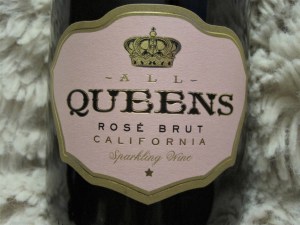
Mother’s Day is Sunday, and here in the Puget Sound area of Washington we are looking at forecasted highs close to 90 degrees! I’m perspiring just thinking about it. This is no time for dry reds that are going to overheat Mom (although, of course, it’s your mom, get the lady what she wants). Time to present her with a chilled, refreshing, bubbly beverage, of the pink variety since this is a female holiday, after all – sparkling rosé! Treat Mom like the queen she is with All Queens Rosé Brut. Bonus points if you get her outside, have her put her feet up somewhere comfortable, and bring her a glass of this chilled wine. What an amazing child she raised! 😉

Here are the details of this scintillating wine. As you can see, the name and label make it very giftable and cute.

All Queen Brut Rose

The Ultimate Mother’s Day Beverage

All Queens Rosé Brut California

  • $15/bottle at Total Wine
  • Sparkling Wine from Lodi, California
  • Lovely light/medium salmon pink color
  • Brut (dry – no sweetness or residual sugar)
  • Light body, 11.5% ABV
  • High acidity
  • Aromas and flavors of strawberry, cherry, peach, tangerine

This wine is befitting a lavish Mother’s Day brunch. Try it with Eggs Benedict and a whole host of other delicious foods. It’s very difficult to screw up pairing this wine with other foods – in fact, sparkling wines are extremely versatile (kinda like moms) and go better with more foods than practically any other wine style out there (say, wha?).

If you really want to go over the top, and win the Child of the Millenium award, whip up this pretty in pink cake using 1 cup of your sparkling rosé. It’s picture perfect for Mother’s Day or any springtime/feminine occasion, such as Easter or a bridal shower. This cake is moist, fluffy, very tasty, and baking it will make your house smell like a French pâtisserie (ooh la la).

I think edible candied flower petals make anything look utterly posh, so don’t be shy and use the recommended candied rose petals on top; they are delicious and will wow Mom. I have also used candied violet petals on a lemon cake, yum! (As an Amazon Associate, I earn from qualifying purchases)

To all the mothers out there, a very Happy Mother’s Day! Thank you for mothering well. Take a moment to have your cake and drink it, too. You deserve it. ❤

Sparkling Rose Cake with Candied Rose Petals

“Eat Me!”

Sparkling Rosé Cake with Candied Rose Petals
Adapted from a recipe by Kevin Lee Jacobs | agardenforthehouse.com

Chef’s Notes
1) If you don’t have the large capacity Bundt pan as I did not, pour into a regular Bundt pan about 3/4 way full, then use the rest of the batter for cupcakes or a smaller cake pan.
2) Since my Bundt cake fell apart upon turning out from the pan (alas, it happens), I took pictures of the cupcakes that I made from the same batter.
3) We don’t use artificial food coloring so the natural food coloring I used to make the cake batter pink is extremely light.

Equipment

  • A large-capacity Bundt pan (10 1/2 inches wide and 4 1/2 inches deep), generously sprayed with cooking spray (I use sunflower oil)

Ingredients

The dry ingredients:

  • 3 1/2 cups all-purpose flour
  • 1 teaspoon baking soda
  • 1/2 teaspoon baking powder
  • 3/4 teaspoon table salt

The wet ingredients

  • 1 cup (2 sticks) unsalted butter, at room temperature
  • 2 1/4 cups sugar
  • 4 large eggs
  • 1 cup sour cream
  • 2 teaspoons pure vanilla extract
  • 1 teaspoon strawberry extract (I did not find this in my local grocery stores, easiest to buy from Amazon) (As an Amazon Associate, I earn from qualifying purchases)
  • 1 cup All Queens Brut Rosé at room temp (or other pink Champagne, Prosecco, or sparkling wine)
  • Optional: pink or red food coloring

The glaze:

  • 1 1/2 cups sifted confectioners’ sugar
  • 2-4 tablespoons water
  • 1/2 teaspoon pure vanilla extract
  • Candied Rose Petals (As an Amazon Associate, I earn from qualifying purchases)

Instructions

  • Center the oven rack; preheat oven to 350°F. In a large bowl, whisk together the dry ingredients. In the bowl of a standing mixer, beat the butter and sugar at medium-high speed until pale and fluffy — about 5 minutes. At medium speed, add the eggs one at a time, beating well after each addition. Beat in the sour cream, and the vanilla and strawberry extracts.
  • At low speed, add the dry ingredients in three additions, alternating with the sparkling wine, beginning and ending with the flour. At medium high speed, quickly beat in the (optional) food coloring.
  • Pour the batter into the prepared Bundt pan. Use a spatula to spread the batter up against the sides, and away from the center (this encourages a level surface during baking). Bake until a skewer inserted in the cake comes out clean — about 1 hour. Let the cake cool in the pan for 10 minutes, then unmold and let cool completely.
  • In a medium bowl, beat together the confectioners’ sugar, 2 tablespoons of water, and the vanilla extract. Add more water as needed to achieve a thick but pourable glaze. Drizzle the glaze generously over the cake.
  • Before glaze sets, adorn cake with candied rose petals.
Sparkling Rose Cakes with Candied Rose Petals

The trick is not to eat them before Mom has a crack at them.

Time to stock up for warm weather wine drinking!
Take 10% off your purchase of 6+ bottles with code TAKE10

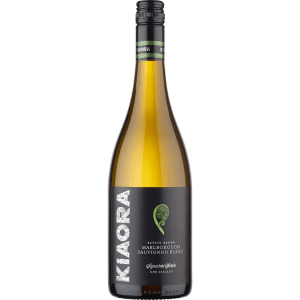
Say “Kia Ora” for International Sauvignon Blanc Day

Happy Cinco de Mayo! I trust you’re all set up now with your Mexican vino and Prickly Pear Margaritas for today. 🙂 But did you know that today is also International Sauvignon Blanc Day? Goodness gracious me, so it is. Better slap a blog post together! 😉

It’s been a while since I’ve chatted with you about Sauvignon Blanc, hasn’t it? I’m surveying my long list of wines to share, and this is one that MUST be shared. Absolutely MUST! In case you didn’t read that clearly, MUST. SHARE.

This is for all my friends and readers who belong to the white wine cult branch of Sauvignon Blanc. 😉 I’m probably more in the red wine cult branch of Cab/Pinot/Merlot type thing, but Sauvignon Blanc is a solid choice for utter white wine devotion.

For starters, Sauvignon Blanc is one of the noble grape varieties (it can be grown in a wide range of places and always exhibits specific characteristics, no matter where and how it is grown), traditionally hailing from France. It is planted all around the world, and excels mightily in New Zealand, especially in the prime region of Marlborough. Wines are typically light bodied, with high acid and moderate alcohol.

This Sauvignon Blanc serves as a great introduction to New Zealand Sauv Blanc as a genre (like California Cab or Argentine Malbec, places famous for excelling at certain varieties) and also stands squarely on its own as an outstanding wine. The reason I haven’t tried a lot of other NZ Sauvignon Blancs is because this one is so incredible and irresistible I keep returning to it. Why bother with anything else?

Here are the deets on this beguiling wine, the Kia Ora Signature Marlborough Sauvignon Blanc:

  • $17/bottle at totalwine.com
  • 13% ABV, light body, crisp and refreshing
  • FLAVOR EXPLOSIONS (caps intended!) of passionfruit, kiwi berry, lime, grapefruit and herbs
  • Mouthwatering acidity
  • “Reflects the ultimate New Zealand flavor profile”

I tasted this wine at Total Wine one time and I commented to the gentleman pouring that I’d had it before and loved it. He said his wife loves it so much they buy it by the case. I believe it!

Fun fact: my grandmother lived in New Zealand for part of her childhood on a sheep ranch. She always wanted to go back to visit, but never got the chance. I figure this is one small way I can honor her memory of this beautiful, vibrant land. That and watch Lord of the Rings whilst quaffing this Sauv Blanc (hey, there’s a Friday night idea).

According to Wikipedia, kia ora is a Māori greeting which means “have life” or “be healthy”, wishing the essence of life upon someone. So, kia ora, readers! 🙂

Happy International Sauvignon Blanc Day! Any favorite Sauvignon Blancs you would like to share? Comment below!

Prickly Pear Margaritas for Cinco de Mayo (and Beyond)

Disclosure Statement: This post contains affiliate links. When you click on an affiliate link and make a purchase, I receive a commission at no additional cost to you. All opinions are my own.

Cinco de Mayo is happening this Friday. Or, for those whom the actual holiday has no personal cultural relevance, Cinco de Drinko: a day for Americans to down Margaritas and Mexican food.

I hope you enjoyed my post on Mexican wine, but – de veras – this holiday demands a Margarita. Nothing short of a Margarita will suffice for today. And this Margarita recipe is sin igual in terms of show stopping good looks and jaw dropping flavors.

This recipe is courtesy of Keli Sim DeRitis – an artist, designer, passionate cook, teacher, and tour guide. Her business, Poggi Bonsi, offers all manner of gorgeous and delicious things, including cooking classes, European tours, and special import gifts and food items for your home kitchen.

My husband and I took a cooking class with her a couple years ago on Sicilian cooking and wines and it was fantastic and utterly delicious! You can buy her cookbook on Amazon (As an Amazon Associate, I earn from qualifying links), which includes several themed menus grouped by European travel destination. Check out her website for more information.

What makes this Margarita extra special is the Prickly Pear syrup. Prickly Pear is a flowering plant of the cactus family, and according to the Mayo Clinic is reputed to help treat diabetes, high cholesterol, obesity, and hangovers.

Laugh. Out. Loud. Combining this lovely plant with sugar and alcohol per-rob-ably won’t help with the above ailments, but, like the overweight American who orders the Diet Coke with the huge cheeseburger and extra large French fries, we optimistically and ignorantly think that one small “good” deed outweighs all the other poor dietary choices.

Gotta laugh at ourselves, right? 😉

This Magnificent Magenta Margarita is not only supremely photogenic, its refreshing and diverse flavors sweep over you and ferry you to Margarita bliss.

Give it a try, I’m pretty sure you’ll love it. 🙂

Recipe notes: I doubled the recipe to make 2 drinks. Use only fresh-squeezed lime juice. For the sugar/salt/lime zest mix for the glass rim, massage the three ingredients together with your fingers to release those lovely lime essential oils.

*Prickly pear syrup can be purchased online. Look for Cheri’s Desert Harvest. The only ingredients are sugar, prickly pear cactus, lemon, and citrus pectin. And yes, that color is real! (As an Amazon Associate, I earn from qualifying links).

For an alcohol-free mocktail: throw some prickly pear syrup, fresh-squeezed lime juice, and club soda together. ¡Deliciosa!

PRICKLY PEAR MARGARITA

Prickly Pear MargaritasIngredients

  • 3 ounces tequila blanco (aka silver tequila or tequila plata)
  • 1/2-ounce Cointreau or Triple Sec
  • 1 1/2 ounces freshly-squeezed lime juice
  • 2 ounces prickly pear syrup*
  • 1 teaspoon sea salt
  • 1 teaspoon turbinado sugar
  • 1 teaspoon lime zest
  • Prickly pear or lime slice for garnish

Directions

  1. Pour the tequila, Cointreau, lime juice and prickly pear syrup into a cocktail shaker filled with ice. Shake vigorously to incorporate. Alternately, you can blend the cocktail ingredients with ice in a blender.
  2. Combine the salt, sugar, and lime zest on a small plate. Run a slice of lime around the rim of a chilled glass and dip into the mixture and coat the edge.
  3. Fill the glass with ice and pour in the margarita. Garnish with a prickly pear slice (available at many Hispanic and Asian markets) or a slice of lime.

Mexico: Land of Cerveza, Tequila, and… Vino?

Disclosure Statement: This post contains affiliate links. When you click on an affiliate link and make a purchase, I receive a commission at no additional cost to you. All opinions are my own.

In which I try a red and a white wine from Mexico….

Cinco de Mayo is just around the corner, and our cherished Mexican restaurants are about to get CA-ROWDED. (A little trick of mine – eat at an Irish pub on Cinco de Mayo and eat at a Mexican restaurant on St. Patrick’s Day). After all, for most Americans, it’s about the spirit of the celebration, not the actual date, right? 😉 Yep, hasn’t failed me yet.

After fantasizing over chips n’ guac for a moment, I stopped to ask myself if I had ever had any MEXICAN WINE before. No, I don’t believe I have, I concluded. So self and I went to wine.com and searched for Mexican wine, and then ordered some.

Pack your bags and grab your sunglasses and sandals, we’re heading south of the border for a quick tour! This is for those of us who prefer wine over cocktails, and are curious enough to try a different Mexican beverage. It’s not Cinco de Mayo without Margaritas, claro que sí, but just for fun, since this is a blog dedicated to having fun exploring wine, let’s try some Mexican vino together.

(To whet your appetite, I do have a delectable Margarita recipe coming your way later this week. Watch for it, it’s a beauty!)

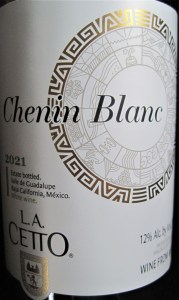
Wine #1: L.A. Cetto Chenin Blanc 2021
L.A. Cetto Chenin Blanc

  • $11/bottle at wine.com
  • 12% ABV
  • Estate bottled/Valle de Guadalupe/Baja California, México
  • Pale yellow with greenish hues
  • Light body, oily texture
  • Strong, refreshing acidity
  • The nose is lovely and highly aromatic. Aromas and flavors include: honeysuckle, peach, yellow apple, pear, honey, banana, melon

Something I did not know about Chenin Blanc is that it maintains a strong level of acidity, even under warm growing conditions. Normally grapes grown in warm climates develop higher levels of sugars than acids.

This would be stellar with fish tacos or pollo a la crema. I tried it with jalapeño-pickled green beans, brie cheese, and whole grain crackers to cure late-night grumbling stomach woes. Great flavors and pairing!

I was surprised by this little Chenin Blanc – it was very nice!

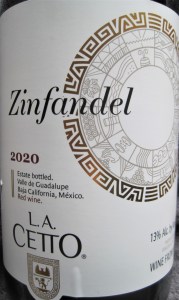
Wine #2: L.A. Cetto Zinfandel 2020
L.A. Cetto Zinfandel

  • $11/bottle at wine.com
  • 13% ABV
  • Estate bottled/Valle de Guadalupe/Baja California, México
  • Medium ruby with magenta tint
  • Light body, medium acidity, dry
  • Tannins are soft, gentle, in the background
  • Moderate finish
  • The nose is really lovely. Initial aromas: peach pie, cinnamon, juicy fresh strawberry, red cherry, watermelon, rhubarb, lemon blossom, pepper, clay. After several days of being open, it showed strong hibiscus, cranberry, and cherry.

My guess before I even tried this was that it would be highly similar to a California red – full body, higher alcohol, lower acid, off dry/residual sugar, and moderate tannins.

Here is what I discovered: this Mexican Zinfandel was absolutely nothing like any other Zinfandel I’ve ever had before. Not even Italian Primitivo, which is genetically similar to Zinfandel.

This was quite different from the dark, inky Zinfandels I’m accustomed to; it lacks the complexity, full body, and moderate tannins. I don’t know if that is an issue with the grapes or the winemaking. Truth be told, even though Zinfandel grapes produce dark, rich wines, their skins are actually rather thin, which should translate to lighter bodied, less tannic wines.

This wine was interesting in that it was so unusual from what I’ve typically experienced in Zinfandel. It does develop more complexity after a few more days of being open, and good on it, it is quite long-lasting without suffering the ill effects of extended bottle opening.

Treat this Zinfandel like a light, juicy, fresh red, and it will make you happy. This Zinfandel could be muy complementario with chile verde. I haven’t tried it, but if you do, let me know if it worked. 🙂

In conclusion, I personally preferred the Chenin Blanc overall, but I would recommend trying both (at only $11/bottle, they are each an easy way to explore Mexican vino). The Zinfandel was fine; it was just unusual for Zinfandel and that was why I had a hard time comparing it. But if you can treat it with an open mind, especially if you’re not a huge California Zinfandel fan, you might actually enjoy this wine. L.A. Cetto also makes a Chardonnay and a Cabernet Sauvignon. Wine.com also offers another label from Mexico that is spendier and from a different region, which I have not tried.

Have you ever had Mexican wine? Comment below!

Nat Geo Wines of the World

Hooray for Viognier!

To my white wine drinking readers, let me offer my sincerest apologies… the last several posts have all been on BBRs (big bold reds). You are no doubt growing impatient as you wait for me to recommend a great white that is not a shark. Tell you what: we’ll change things up today and shift gears with a BBW (big bold white), how ’bout? 🙂

Hooray for Viognier! Today is International Viognier Day, and boy am I excited. Viognier (vee-ohn-yay) is perhaps my favorite white wine ever, and if you haven’t tried this wine yet, hold on to the edge of your seat, because you are in for a treat! 🙂

Viognier is a grape that almost didn’t survive. That would be a miserable world, let’s not think about that. But there were only a scant number of acres of it hanging on for dear life in the Rhône Valley in France in the 1960s when some erudite drinkers smacked themselves up the sides of their heads and said, “Wait a second, this cannot and shall not be!” Good on them for rescuing this lovely grape from virtual extinction.

While Viognier is still not terribly common, it is now cultivated around the world. In the USA in particular, California and Virginia are well-known regions for growing Viognier. Oregon and Washington also grow excellent Viognier. In France, Viognier wine is known as Condrieu (remember, many European wines are named by place not by grape variety).

When I learned International Viognier Day was rolling around, it did not take me a single moment to decide which Viognier to write about: the 2020 Signature Viognier from Bacovino Winery (see my post on their incredible Sangiovese). Sourced from Walla Walla Valley grapes, it is fragrant, rich, and full-bodied but still with pleasant, refreshing acidity.

Bacovino Signature Viognier Walla Walla Valley

Bacovino Signature Viognier Walla Walla Valley

Here are the details and my impressions of the wine:

  • $27/bottle at Bacovino Winery
  • Fermented in 100% stainless steel. Whole cluster press, settling for one day, cold fermentation in stainless, lees stirred weekly, traditional cold stabilization in stainless, then bottle aged for 3 months
  • 14.5% ABV
  • Pale straw color
  • Rich, full body, supple mouthfeel, honey-like texture
  • Medium acidity
  • Enchanting aromatic bouquet: honeysuckle, grapefruit, stone fruit (peach or nectarine), and some tropical fruit also (kiwi and/or lychee)
  • Refreshing citrus and melon flavors on the palate

I love wines from the Walla Walla Valley AVA, so I asked Bacovino winemaker Randy Brooks why he chose this particular AVA for Viognier grapes. He responded:

“Walla Walla is perfect for growing Viognier, warm days and cool nights preserve the natural acidity of the grape while allowing the gentle development of both aromatics and body. Viticulturists in Walla Walla have a wealth of experience growing some of the highest quality Viognier in the world, allowing us to make a well-balanced wine that is expressive and can be enjoyed throughout the year.”

Randy likens his Viognier to a warm spring day and notes that it “pairs exceptionally well with Thai food.”

There you go, folks! We just solved your Friday night dinner and drink dilemmas: Thai food and Bacovino Viognier for the win! 🙂

So how do we get our paws on this wine? the ravenous white wine drinkers demand. Well, you can order it through Bacovino’s website or purchase directly at the winery.

Sadly, Bacovino has low stock of this wine right now, and is not planning on making any more Viognier for the time being (noooooo!).

So, as Janis Joplin sang, get it while you can! Because once it’s gone, it’s gone!

Do you love Viognier as much as I do? Comment!

PS: Go taste wine at Bacovino soon! Or if you can’t get there in person, you can order their wines online. Here are all of their new releases (see website for several other current releases). Plenty to keep you busy, and let me tell you, they are fantastic! ❤

Signature Chardonnay – Ancient Lakes of Columbia Valley
Signature Rivalon (blend) – Columbia Valley
Signature Counoise – Red Mountain
Signature GSM – Red Mountain
Vintner’s Merlot (extended oak aging) – Yakima Valley
Vintner’s Cabernet Franc – Columbia Valley
Vintner’s Petit Verdot – Red Mountain
Reserve Syrah – Red Mountain

Happy 11th Birthday to The Rambling Vine!

Disclosure Statement: This post contains affiliate links. When you click on an affiliate link and make a purchase, I receive a commission at no additional cost to you. All opinions are my own.

The Rambling Vine turns 11 today! I published my very first post here on 4/20/12 (purely coincidental date), lamenting the imagery of the word “blog.” Now, likewise, I can’t bring myself to use the word “blogaversary” – such a tangled, ugly word, am I right? We’ll stick with birthday, or anniversary. 🙂

https://upload.wikimedia.org/wikipedia/commons/c/c2/Cupcake_Camp_Montreal_2009_%284113329873%29.jpg
I began this website as a place to record memorable wines and as a creative playground for my writing alter ego. I am having so much fun getting back into blog life; crafting posts and sharing about the special and interesting wines I have come across. Those of you reading along, THANK YOU, especially those of you who have been patiently waiting while I raised babies and was kinda busy. Sticking to a schedule has definitely helped keep me consistent.

In honor of hitting blog adolescence (I’m sure this will be much easier than human adolescence), I am sharing with you a red wine that I’ve not simply loved and been impressed with, but a wine that is in a whole other category unto itself. Everything I desire in a great wine is here in spades. I can’t recommend this enough.

Like adolescence, this wine is powerful with a lot going on, but unlike adolescence, it is balanced and knows who it is.

Here you go:
Ancient Peaks Zinfandel Paso Robles Santa Margarita Ranch

Ancient Peaks Paso Robles Zinfandel Santa Margarita Ranch

The zin that stole my heart! Ancient Peaks Paso Robles Zinfandel Santa Margarita Ranch.

$18/bottle on wine.com
Full body, 15% ABV
This was a wine that originally came home with us from La Conner Sips, a wine shop in one of our favorite small towns to get away. My initial thoughts were that this was as close to red wine perfection as you can get! Everything is in perfect balance and harmony – good fruit, good strength, sweetness/dryness, etc. Stunning how excellent this wine is.

Here are the winemaker notes:
“The 2017 Zinfandel presents bright boysenberry aromas with hints of sandalwood and vanilla. A juicy, jammy texture is loaded with generous flavors of wild raspberry, black cherry, plum, mocha and cedar. Spicy black pepper notes join mouthwatering acidity on a beautifully balanced finish. The juicy, spicy character of the 2017 Zinfandel is a perfect match for fine comfort foods, including grilled chicken flatbread, Italian sausages, Santa Maria-style tri-tip and Pepper Jack cheeseburgers.”

Wilfred Wong of wine.com described the 2017 vintage as “an explosion on the palate” and that this wine is “not for the faint of heart.”

Don’t let that description of a wild pre-teen freak you out. It still boasts exceptionally balanced richness and depth.

While I originally tried the 2017 vintage and that is out of stock on wine.com, the 2020 vintage is available on wine.com through my affiliate link here.

Here are the tasting notes for the 2020 vintage. It’s still Zinfandel from the same vineyard and winery, so very similar:

“The 2020 Zinfandel makes an immediate statement with bright, jammy aromas of raspberry, cinnamon spice and vanilla cream. Luscious, rounded flavors of red cherry, raspberry and blackberry unfold across a beautifully weighted mouthfeel, all under- pinned by deeper hints of roast coffee and black pepper. Smooth, juicy acidity brings impressive balance to a uniquely elegant finish.”

Words fail me. I don’t know how to stress how exceptional this wine is, other than the fact that I chose it as my blog anniversary celebration wine.

Grab a bottle, it’s only $18! And raise a glass to your favorite wine blog. 😉

Happy 11th birthday, Rambling Vine! You’re turning into an incredible young blog and I can’t wait to see what your adolescence holds in store for you. ❤

(And by the way, it’s time we had some “talks.”)

An Argentinian Treasure for World Malbec Day

Disclosure Statement: This post contains affiliate links. When you click on an affiliate link and make a purchase, I receive a commission at no additional cost to you. All opinions are my own.

Hear ye, hear ye! Today I doth proclaim World Malbec Day, a day to solemn ourselves and pay tribute to the magnificent Malbec grape, and all its vinous manifestations, forsooth (rolls up scroll).

Yep, here we are with another wine holiday on our hands. This time it’s World Malbec Day; yea verily yea (I really need to start using that phrase IRL)! It’s interesting that Tannat Day and Malbec Day are so close together on the calendar, and they are the signature grapes of neighboring countries Uruguay (Tannat) and Argentina (Malbec). Not sure if this was done on purpose or not, but it makes sense to continue our little South American sojourn, so vámanos.

Malbec is a wine I have intensely adored, especially in my beginning days of wine exploration. And I still love it. I haven’t had it as much lately because I’ve been spending my wine budget elsewhere, but for me and many in the world it’s a classic.

I’ve had wonderful Malbecs from my home state of Washington, but today I’m unlocking my wine treasure chest to introduce you to one of my favorite Argentinian Malbecs, which will give you a great idea of why Malbec shines in this country.

Malbec and Tannat have similar backstories. In the 16th century, Spanish missionaries spread vinifera plantings throughout Argentina to establish a supply of sacramental wine. Using the farming practices of the natives, the Spanish irrigated the vineyards in the valley with ice/snow melt from the Andes Mountains. In the late 1800s and early 1900s, many European immigrants came to Argentina and brought with them new grape varieties, including Malbec. Both Tannat and Malbec are grapes native to southwest France.

This particular Malbec is magical. I used this wine in a class I taught to illustrate Old World vs. New World wine characteristics (essentially, warmer climates yield grapes with higher sugar content, and cooler climates yield grapes with higher acid content, because they don’t ripen as much as their warm climate counterparts). Everyone loved it, and this beauty just got more interesting and sumptuous the longer it revealed itself in the decanter.

For best results, decant for 30-60 minutes prior to drinking. If it’s for a group, pour out the whole bottle into a decanter.

Here are the details and my impressions of the wine:

Phebus Malbec Gran Reserva Mendoza Argentina

Phebus Malbec Gran Reserva Mendoza Argentina. Photo courtesy Total Wine.

Phebus Malbec Gran Reserva Mendoza Argentina

  • $27/bottle at Total Wine
  • Full body, lots of heft, 15% ABV
  • Good acidity providing solid structure
  • Bold, unfolding layers of blackberry, black cherry, coffee, chocolate, tobacco
  • Velvety texture
  • Long, complex, irresistible finish

As I have regrettably lost my tasting notes from the last time I had this wine, my list may be missing a few details, but I’m providing you with the product description from Total Wine, which sums up my recollection as well:

“A very complex and elegant wine with floral aromas of violets, black cherries and licorice. On the palate the wine is deep and rich, perfectly balanced with delicate silky tannins and well integrated French oak. Perfect with a juicy steak, game, rich cheeses and chocolate desserts.”

My husband picked up this wine from Total Wine years ago. We first had it with a roast and it was magnífico. It’s one wine we turn to again and again and we are always floored by its quality. Remember, Argentina is also famous for its excellent beef, so Malbec + steak = natural harmony.

Total Wine also sells the Phebus Malbec ($14) and the Phebus Malbec Reserva ($17) in addition to the Gran Reserva ($27). I’ve had the Reserva which is still excellent – not as outstanding as the GR but nevertheless a wonderful wine for the price. You can try the others, but the Gran Reserva is unbeatable in style and quality. Go ahead and splurge on this version, I assure you it’s worth it!

For fun, buy all three bottles and do side-by-side tasting comparisons. See if you think they are each worth their price. Call it your World Malbec Day fiesta!

Happy World Malbec Day! Do you have a favorite Malbec I should know about? ¡Dígame! 🙂

Nat Geo Wines of the World