Albariño: A Spanish White to Sip this Spring + Recipe

Happy Spring, readers! We are now fully plunged into the midst of this glorious season (at least for those of us who don’t have allergies). Hopefully you are being met with plenty of sunshine, gentle breezes, beautiful flowers that don’t make you reach for the antihistamines, and wine aplenty! 🙂 🍷

While any type of wine is perfectly fine any time of year, there are certain types of weather and seasonal cuisine that spur us to open up specific bottles for specific times. Ain’t nothing wrong with that.

One white wine that I haven’t gotten to know and appreciate until now is Albariño. I’d heard it praised among “folks who know” but the scant times I’d tried it my world did not turn upside down and it left me feeling “meh” in much the same way most Pinot Grigio does (unless they’re these). Those disappointing recommendations can cause you to question the “experts” and wonder why you’re not picking up on the same qualities they are. It can lead to self-doubt. Exploring wine should be fun and lead to self-confidence, even if you disagree with another’s assessment of a wine.

It wasn’t until I took a Spanish wine class that I tried a delicious one and understood a little better what makes this wine special. It made me say, “Whoa!” which in wine tasting is usually a good thing (depending on vocal inflections, of course). This white immediately captured my attention and is well worth seeking out for its great taste, price, and versatility. Your spring wine arsenal is incomplete until you get this!

But first, a brief bit of background on this fun-to-say grape from its fun-to-say place: Albariño (Al-ba-ree-nyoh) is a thick-skinned white grape grown in the region of Rías Baixas (REE-ahs BYE-zhas), in northwest Spain, or Galicia. Galicia, also known as Green Spain, is situated near the Atlantic coast, where abundant rainfall yields abundant greenery. Here, Albariño is made into a lively white wine that is drunk with seafood, and this hallowed pairing has become famous the world over. As someone who lives in the Pacific Northwest, another seafood destination with a climate similar to Rías Baixas, it puzzles me that I haven’t heard Albariño touted more often in restaurants and other wine settings? Well, time to upset the wine press and show this grape the amor it deserves!

Albariño Val Do Sosego Rías Baixas
Denominación de Origen
Albariño Val Do Sosego Rías Baixas

  • $18.99 at Total Wine & More
  • ABV 12.5%
  • Great citrus, peach, and mineral aromas
  • Pale straw yellow
  • Medium body
  • Great acidity in the mouth but not so much that that’s all you get
  • This has a little more fullness/roundness/body/elegance like you get from a Chardonnay, but still with the zippy, highly aromatic fresh fruit you get from a Sauvignon Blanc.
  • This Albariño is beautiful, delicious, spring worthy, and a very agreeable change of pace from your regular white wine (unless that happens to be Albariño, ha! But even so, hunt down this particular wine!). 🙂

I may have mentioned this before, and I believe it still holds true, but Spanish wines have some of the best price to quality ratios in the world (quality is about double the value, at least in the US). So if you buy a bottle of Spanish Tempranillo in the US for $30, the quality of the wine will be on par with more of a $60 bottle of wine. And another one of my favorite things about Spanish wines: because of aging requirements, they are ready to drink upon purchase. No scratching your head, googling how long to age a particular bottle, etc. Open and chug (after decanting, if needed)! Best. News. Ever.

While I did not whip up any fancy seafood dishes like octopus or halibut to pair with this wine (if you do let me know what you made), I did find a tasty and easy recipe that I think you will dig, especially for the spring season, when lighter foods are more de riguer. Here is a lovely light lunch to accompany a glass of this Albariño. I personally found the ratio of bread to filling to be lopsided, so I would recommend more of a tartine/open-faced sandwich concept: a griddled piece of herbed foccacia, topped with the cheese mix, and then with a lightly dressed (O & V) spring mix side salad to balance the dish. You can also use it as a cracker dip. Keep it as a sandwich if you like; it was just way too much bread for me in one sitting (but if you’re drinking a lot maybe you need those extra carbs). 😉

Whatever you do, drink this Albariño outdoors on a beautiful spring day with a friend. It will taste even better. ¡Salud! 🌷

Cherry Ricotta Tartine
Recipe adapted from Jackie Freeman’s book, A Hearty Book of Veggie Sandwiches
Yields 4 servings

INGREDIENTS

  • 1/2 cup dried tart cherries
  • 1 cup ricotta cheese
  • 1/2 cup grated Parmesan cheese
  • 1/2 cup sliced almonds, toasted
  • 2 tsp. fresh orange zest
  • 1 tsp. chopped fresh thyme
  • Kosher salt and freshly ground black pepper
  • 4 pieces herbed foccacia bread, sliced in half
  • Extra-virgin olive oil, for grilling

INSTRUCTIONS

  • Soak the cherries in hot water for 15-20 minutes. Drain well and chop.
  • In a bowl, combine the cherries, ricotta, parmesan, almonds, orange zest, and thyme. Season to taste with salt and pepper.
  • Preheat a panini press or skillet over medium-low heat. Spread each slice of foccacia bread with olive oil. Griddle bread until deep golden brown. Remove, and top with cheese mixture, and serve along side salad.

I Can’t Believe It’s Not Butter: La Crema Chardonnay

Disclosure Statement: This post contains affiliate links. When you click on an affiliate link and make a purchase, I receive a commission at no additional cost to you. All opinions are my own.

Hey vino lovers! I hope I didn’t lose too many of you with my two-part pregnancy series, “What to Drink When You’re Expecting.” That’s my life right now so I like to go off on tangents every once and a while, but rest assured, we’re back to wine talk! I might not be able to drink right now, but there are MANY wines I have tried and that I’m ready to blog about and share with you! So, back to wine… what haven’t we done in a while? How about a chardonnay? Sure, let’s do it!

Most of us fall into either the red or the white camps. I would have to say I prefer reds over whites, but I know well enough not to refuse a really good white if it’s offered to me. There are some whites out there that are as rich, complex, flavorful and fascinating as any really good red.

Chardonnay is the heavyweight white, standing opposite equally hefty heavyweight Cabernet Sauvignon. Chardonnays are made from the Chardonnay grape (wouldn’t you feel dumb if you lost that one at trivia!) and range in style from crisp, clean, and minerally, to buttery, toasty, and tropical fruity. That last one makes it sound like a Trix cereal jingle, but trust me, I didn’t intend for it to be. 🙂

When sugary grapes ferment and are combined with yeast, you get wine. The fact that some of these grapes can produce a literally buttery flavor in the mouth is mind-boggling! (This buttery character, I have since learned in my wine education, is a result of malolactic fermentation). I can’t believe it’s not butter! (said in Kim Cattrall’s sultry voice). And who doesn’t love butter? Especially wine that tastes like butter… still unconvinced? Read on!

La Crema’s Sonoma Coast Chardonnay is usually in the $20 range (depending on where you buy it) and is one of the better Chardonnays I’ve tried that is readily available and easy to locate. It’s dry, but it’s a perfect balance between buttery and acidic on the palate. This California Chardonnay is “beautifully aromatic, citrus-laced, and layered.”

According to the winemaker’s notes, “This vintage opens with bright aromas of Meyer lemon and yellow apple, punctuated by hints of butterscotch and subtle floral notes. The palate adds flavors of juicy yellow plum, lemon curd and vanilla custard. Rich tropical tones and a lingering spice add richness and texture to the long, fresh finish.”

Hello!

When I first had this wine, I enjoyed it purely on its own. However, if you’d like to try pairing it with some different foods, the La Crema website has some delicious sounding recipes to go with this tasty Chardonnay, including crab risotto with fine herbs and chicken curry and sultana raisin sandwich. Yes, you are more than welcome to make these for me. 😉

If you’d like to explore a richer, heftier white wine this summer, or else you’ve never tried Chardonnay and would like a good one to start off with as well as one to stick with, the La Crema Chardonnay is your best bet.

Sniffin’ Gluh… Wine

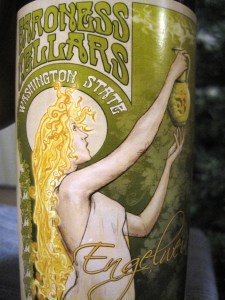
Baroness Cellars Engelwein

I don’t know about you, but she looks like she could be called, Helga, the Germanic Goddess of Gluhwein. Here is the lovely Helga, offering the wine to the gods, or maybe she’s just trying to keep some for herself. Photo by Brenna Arnesen.

What I am about to say may sound like heresy or treason, but fear not, bear with me, here. There is a white wine, known to man, that may be served HOT. Yes, hot! Not chilled, not room temperature, but hot enough to warrant your favorite mug. Did you ever think the two stars of “white wine” and “hot beverage” could align so perfectly for you? Well, they have now! Read on for an unusual hot mulled wine beverage using white wine that’s sure to be enticing!

In the charming Bavarian town of Leavenworth, Baroness Cellars is a charming little tasting room in an antique shop. There are at least three wine tasting “rooms” in this large antique store, and this was one my husband and I both really enjoyed when we were there during the summer.

What attracted us to Baroness Cellars and what sealed the deal into making us customers, not just tasters, were the not-as-common/off-the-beaten-path styles of wines they served (they do a delicious and interesting unfiltered Grenache… more on that later, I’ll get sidetracked) and this intriguing glühwein, called Engelwein.

According to the winery, “Engelwein is a white glühwein served in the winter months along the Alsace region and Northern Germany. It is a Riesling with white cranberries and spiced with ginger.”

Glühwein is roughly translated from German to English as “glow-wine.” This name draws from the image of the glowing hot coals once used for mulling. Today the preparation is much easier, albeit less dramatic and romantic; but light some candles and you’re shooting for that medieval German feel.

Here is how to enjoy your bottle of Engelwein during the winter months:
1) Play some good German polka music in the background, or just yodel. You must be in a Bavarian frame of mind (recommended but not required)!
2) Pour into saucepan on stove top and heat to a low simmer on medium high heat.
3) Ladle wine into coffee or tea cups (not plastic) and garnish with cranberries, fresh ginger, or a cinnamon stick (knowing me, I’d use all three).
4) I love how the winery puts it: “Then, enjoy the nectar of heaven. Prost!”

Now, just to play devil’s advocate and analyze all possible situations, let’s say you don’t do hot beverages during December… it’s an ugly Christmas sweater party in your friend’s 600 sq. foot apartment, and that glass of Merlot and crowded room is causing you to heat up and glow like a Maraschino cherry, so what to do? Try it iced! Who knew this delectable wine could be so versatile? Chill the wine, pour it into a pitcher or cocktail shaker, throw in some strawberries and muddle it over crushed ice. Voila, instant refreshment! What a friendly wine!

Wine Tasting in a Secret Garden

The Pacific Rim Bonsai Collection at Weyerhaeuser. Photo courtesy http://www.weyerhaeuser.com

In Which Two Tasty Woodinville Wines Are Sampled Amidst a Bonsai Collection

It’s September – scratch that – mere hours from October, and I need to play major catch up here, so consider this a two-for-one special! It’s a Rambling Vine Groupon! Read one wine review for free, read another in the same post, also for free. Er…. anyway.

Recently I had the privilege of pouring wine for Woodinville Wine Cellars at a Habitat for Humanity fundraiser at the Pacific Bonsai Museum in Federal Way. A wonderful gal I know roped me in to volunteering for this event, and am I glad I did! I love chatting up people and gabbing about wine, so this was the perfect gig for me. It was a hot summer day, fantastic event, extremely worthy cause, and an ideal, relaxing setting in which to savor some wines. Everyone who tried the wines I poured liked them.

I have never seen bonsais like these in my life! Each tree has its own staging area, platform and backdrop. It’s just amazing. You could spend hours contemplating just one. I have lived in Western Washington my entire life and had never been to this beautiful, extravagant garden! Check this place out soon! And don’t just look at the photos, use your own eyes and go enjoy the garden yourself. Who knows how many more glorious warm days we have until darkness/cold/the evil dead of winter creeps up on us? (Me, biased? Nah.)

Here are the wines I got to pour and my takes on them. I haven’t yet been to Woodinville Wine Cellars, but after tasting these I think I would like to go out there sometime and try some of their other varieties! Have you tried any of their wines?

Woodinville Wine Cellars 2011 Sauvignon Blanc Columbia Valley

$18 or so. Delicious! A great Sauvignon Blanc, perfect for a hot summer day. Sophisticated and very drinkable. It has bright fruit flavors balanced out by a
clean mineral dimension that doesn’t make it too tart. This was perhaps the
most popular white wine that night (and there were two other wineries there).

From the tasting notes: “This wine jumps from the bottle in a sophisticated and complex style. The aromas are floral and mouth­watering, with hints of pineapple and citrus and some subtle mineral highlights. In the mouth it is rich and well balanced, showing a hint of grapefruit, citrus and tropical tastes on a long finish. A great  complement to seafood, chicken, or your favorite soft cheese.”

Woodinville Wine Cellars Little Bear Creek Columbia Valley Red Wine

Wine Spectator awarded Little Bear Creek 90 points (that’s high!). This Bordeaux-style blend is only $20. Not bad for the price. The tasting notes point out the “warm spices and rich black cherry scents in the glass” and “concentrated flavors of blackberry, black cherry and mocha complete the finish, lending balanced acidity with a zing!” LBC (I think Snoop Dogg even likes LBC 😉 ) consists of 52% Cabernet Sauvignon, 22% Merlot, 17% Cabernet Franc, 9% Malbec. I liked it for its warm fruitiness and spice notes.

While double-fisting it is not recommended here (start with the whites and move to the reds, generally speaking), these wines are perfect to toss together for a little impromptu wine party. And if the weather is still nice a bit longer, take it outdoors. Happy sipping!

Say Oui (Wee!) to Pinot Gris

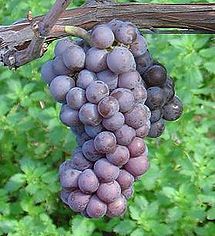
Gorgeous Pinot Gris grapes. Photo by Andrew Fogg.

Chateau Faire Le Pont Milbrandt Vineyards Pinot Gris 2009

I should just come out and say it: Pinot Gris/Pinot Grigio is perhaps my least favorite wine. It’s like a limp handshake; it’s perplexing and doesn’t really do anything for you. Boring, disappointing, and uninspiring are all words that come to mind when I think of Pinot Gris. Why, you ask? Well, we’re all entitled to our preferences, and while I’ve gone into tastings with an open mind I still
don’t quite get Pinot Gris. It’s so light you can sometimes barely taste the flavors, or else it tastes like grass clippings, and not the pleasant variety. This is why I would tend to opt for just about any other white.

First of all, you’re probably wondering what the difference is between Pinot Gris and Pinot Grigio… the only difference is in the name. Pinot Gris is the French term and Pinot Grigio the Italian. It is a white grape that is a mutation of the red Pinot Noir grape. Don’t worry, they are not trying to confuse you on purpose.

So, as a Pinot Gris agnostic, imagine my surprise when I try a Pinot Gris I actually like! Sacre bleu, such a thing really exists?

It does!

Chateau Faire Le Pont, one of my favorite Wenatchee wineries, makes a knockout Pinot Gris. It has a body and focus with depth and persuasion — more like a French kiss than a limp handshake! Oooh la la, now we’re talkin’!

From the tasting notes: “Floral with just a hint of sweetness, our 2009 Pinot Gris exhibits intense peach, melon, apple, honey and almond flavors that sail on and on throughout the long, lingering finish.” Doesn’t this just transport you to the French Riviera? Note the rich fruit flavors, hint of sweetness, and mouth feel; these qualities give the wine more depth, dimension, and deliciousness than a typical Pinot Gris. Pinot Gris’ ancestral turf is the Alsace region of France, where the grape has been cultivated to exhibit more fruity and floral flavors than the dryer, more minerally Italian Pinot Grigio grapes. No reminders of cow cud with this wine!

Now if only I could drink this while actually lounging aboard a sailboat on the
Mediterranean, I think Pinot Gris could become my favorite wine ever! In the mean time, I can sip it on my deck in the sunshine, close my eyes, and drift away.

So Cheap It Feels Like Cheating

Pinot Grigio for when your wallet’s hurting (but your taste buds are hankering)

The other day my friend commented about a shopping experience at a certain grocery wholesaler: “The food was so cheap it felt like I was stealing!” She could not get over how low the prices were on everyday food items.

Don’t you love that feeling? The moment you are stunned by an item’s price and then ride the wave of compulsion to buy it because it’s so cheap you almost feel sorry for it. It deserves your dollars by sheer virtue of its ridiculously low price. Oh yes, the psychology of spending money, always a fascinating topic.

Ah, Venice! Maybe X marks the spot of an ancient rat-infested wine cellar?

Gaetano D’Aquino White Wine of Venezie is – gasp! – $4 a bottle at Trader Joe’s and very tasty. It may be cheap, but it doesn’t taste like it (I love that in a wine!). Spending less than $4 a bottle, though, means you’re either buying a large quantity of wine on sale or you’re buying bad wine. Nota bene: The Rambling Vine does not like two-buck Chuck. It’s a taste issue. But you make up your own mind, it’s a free country.

This wine is super light with citrus flavors, and has a slight tart, mineral finish. It’s perfect chilled, and an ideal wine to have on hand during the summer. Pleasant, agreeable, should pair with any number of things.

Be reassured… you’re not cheating. It may be cheap, but you’re not cheating on taste and quality. Ciao!