A Rocks District Gem to Rock Your World

Ah, Syrah… one of the world’s great noble varieties. It can sneak across the stage in the background: dark, cloaked, brooding, and mysterious, but it can also slide out onto front and center stage screaming its head off, shredding an electric guitar at a dizzyingly fast pace. And then, everything in between. It can be so many different styles, depending on where it is grown, and how it is vinified.

Que sera sera, or rather, Que Syrah, sera. What Syrah is, it will be.

I need “Que Syrah, sera” on a t-shirt or bumper sticker. 🙂

You think you know Syrah? Think again. Have you ever been fortunate enough to taste a Syrah borne out of the Milton-Freewater Rocks District in Oregon? Well, my friend, let’s chat….

Wines from the Rocks District AVA (American Viticultural Area) have gained acclaim for their distinctly savory and mineral characteristics, which make them taste especially unique.

Let me give you a quick geography lesson….

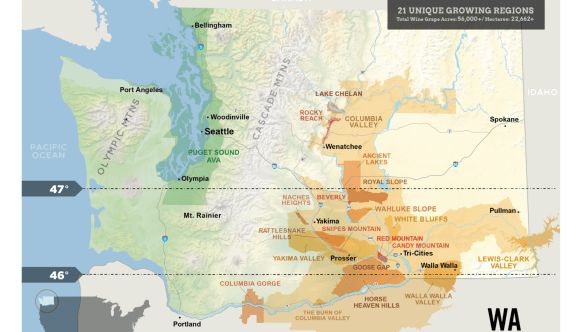
Take a glance at this map of Washington state wine AVAs and below it the Oregon state wine AVAs:

As you can see on the Washington map, the Walla Walla Valley AVA includes land in both Washington and Oregon states. The Rocks District of Milton-Freewater (#22 on the Oregon map) is situated WITHIN the borders of the larger Walla Walla Valley AVA, but is completely on the Oregon side of the Walla Walla Valley AVA.

The only wineries that can put Rocks District AVA on the label have to produce AND bottle their wine in the state of Oregon, which is where the Rocks District AVA is. However, many Washington producers, even though they may source grapes from the very nearby Rocks District, are producing and bottling wine in Washington STATE, so they can only label their wines with the Walla Walla Valley AVA.

So, chances are high I’ve very likely had a Syrah from Walla Walla that contained Rocks District grapes. But with a Washington winery, it wouldn’t necessarily indicate so on the label. On the Washington side, digging deeper is required (sorry for all the rock puns, they’re gonna come flying). 😉

There. Clear as alluvial silt? Hopefully that didn’t hurt your brain too much. If so, take a sip of wine.

So, what makes the Rocks District soil unique? Why all the fuss? In a nutshell, tons of basalt cobbles spewed from a volcanic eruption and deposited by flood waters.

There is literally no topsoil which forces the vines to go DEEP into the earth, to struggle, and this causes the grapes to be lower in number of clusters and smaller in berry size (leading to more powerful, concentrated wine).

These topographical and climatic conditions result in some jaw-droppingly incredible wine, not just with powerful body and tannins, but with aromas and flavors of meat and brine.

Incidentally, if you’d like to read a bit more about minerality in wine from a winemaker (it’s very interesting and not too long), check out winemaker Matt Brain’s  (no, not a typo for Brian – I triple checked) 🙂 article on minerality in wine. Basically, according to Brain,

“… minerality in the soil does not seem to be the major contributor to minerality in the glass. Soils that are thin or deprived of organic matter, however, may contribute to a less fruity and floral grape, allowing mineral characters to be more easily identified.”

Hence why Rocks District wine aromas and flavors come across more pronounced on the mineral spectrum than the fruit/flowers/herbs/spices/etc. spectrums.

This particular Syrah is one I fell in love with at the McMinnville Wine + Food Classic in Oregon. It has rocked me to my molten core every time I’ve tried it and I’ve held on to my one bottle for long enough now. Time to pop the cork and relive the magic!

Rue Cler Rocks District Syrah

Rue Cler Rocks District Syrah

  • $48/bottle
  • 14.4% ABV
  • Sourced from Noble Rock Vineyard in Milton-Freewater, Oregon, Rocks District AVA
  • Winemaker’s notes: “2019 Rocks District Syrah is soft and subtle but lookin’ sharp. Black fruit takes a backseat to savory meats, crushed violets and brine. A charcuterie for the senses! Huckleberries and wet stone give great acid that lingers on the finish. Decant to discover layers of earth and umami in your glass.”
  • Medium ruby color
  • Black plum, soft violet floral component, boysenberry, minerals
  • Very full and soft, not as much punch as I recall it having
  • Aromatic complexity that blew me away initially was not as strong at home
  • Tannins are there but not overpowering
  • Some acidity but very discreet
  • The complex fruit seems to vanish quickly
  • Still, a delicious wine I would buy again

While I was a little surprised this wine didn’t have quite as much acidity as I remember it having when I had it at SIP, it nevertheless delivered much pleasure. Wine is constantly evolving, and it’s highly susceptible to the different environments we drink them in (hello, dinner cooking in the kitchen with poor ventilation) and the various physical states WE consume them in (time of day, hormone levels, and so many other things ALL influence how a wine tastes to us).

This wine is a wonderful introduction to the Rocks District Syrah genre. It is a wine to savor and explore, and I would absolutely buy this wine again.

I hope to unearth some more red wines (especially Syrahs) from The Rocks District of Milton-Freewater. These are something phenomenal and extraordinary. I’m hooked!

Here is a cheat sheet of other wineries using Rocks District fruit if you’d like to go on the hunt for some fine bottles o’ wine: Rocks District Wineries.

Have you ever tried a Rocks District Syrah? Comment!

A Historic Cabernet Tasting: 2025 Taste Washington Seminar Review

In which I taste through some of the all-time heavy-hitters of Washington State Cabernet Sauvignon, and why you should attend a wine seminar….

Happy St. Patrick’s Day, readers! Up here in the Pacific Northwest, we are on the cusp of spring and the weather is acting accordingly: dreary, drizzly, rainy, windy, but with pink and white cherry blossoms and yellow daffodils fighting against the gloomy grey, like eager students waving their hands in the air to be called on. I am feeling hopeful for the new season that shall soon be upon us.

I don’t know why “they” picked both March and August, but March is officially Washington Wine Month: a chance to focus on and celebrate the great and special wine of the Evergreen State. Maybe they picked March because March is still basically winter and everyone is getting really sick and tired of the winter drudgery at this point (and needs some good wine to pull them to the spring finish line). Anyway, it’s when the Washington State Wine Commission puts on a week’s worth of special events in Seattle called Taste Washington, which encompasses everything from winemaker dinners to educational seminars.

In 2023 (I missed 2024), I attended Taste Washington’s Seminar, “Washington Vs. The World: The Ultimate Blind Tasting.” This was a fantastic event and I’m still baffled as to how it took me so long to figure out this happens annually in my city. We wine lovers gotta scratch our itch to learn about wine, and I can’t think of a better opportunity that delivers on that without costing you substantial time and money, like earning a certificate or diploma in wine. I am glad I found an activity worth doing every year for the enjoyment, the opportunity to try rare/expensive/unusual wines, and the chance to further my wine education.

I couldn’t resist attending this year, especially with one of the seminars titled, “King Cabernet: A Historic Tasting of Washington’s Finest.” I mean, really, would you pass up a chance to taste 10 of Washington’s finest/most premium/highest-scored Cabernets for way less than the cost of many of the bottles themselves? I think not! So, thanks to some birthday money from my in-laws, I went ahead and signed up. 🙂

Since the dress code called for business casual, I rounded up an outfit from the “distant work past” section of my wardrobe, put on makeup, and moved my personal items from a fanny pack to a leather handbag. My outfit was probably more business and less casual, when I think about it, but better to err on the side of formal than informal. After all, drinking wine is always a special occasion and sometimes we should approach it with some reverence. 🙂 I no longer need this kind of fancy wardrobe except for maybe once a year – thank God, because my legs hurt from traipsing around in my heeled leather boots – but from time to time it’s fun to dress up and feel a little more put together than my usual, painfully casual mom attire. 😉

My husband drove me to the seminar, which took place at the Embassy Suites Hotel right next to Lumen Field Event Center, where the Grand Tasting events (large scale event featuring tastings from over 200 wineries and over 75 restaurants) were happening immediately after the seminars. While I did my wine thing, he took the kids to explore the fabled Seattle waterfront in an effort to give the city a chance to prove we should not talk smack be entirely negative about it. I will not mention the sights and aromas of our last trip to the waterfront several years ago for an aquarium visit. But I digress….

Here is the official description of the seminar:

“Amazingly, Cabernet Sauvignon only became Washington’s most-produced grape variety just over a decade ago. Today, not only does it dominate production and plantings, but also defines many of our most critically acclaimed wines: wines that stand out for their balance, elegance, depth, and sense of place. Here, in the best flight of Cabernet Sauvignon ever poured at Taste Washington, we’ll present a show-stopping array of some of the state’s finest and most celebrated masterpieces. Discover what makes Washington Cabernet so distinctive, explore the regions where it shines brightest, and learn about the exciting future of this esteemed variety. Join us to experience why Cabernet Sauvignon has earned its title as Washington’s unrivaled king of grapes.”

The seminar was moderated by Bob Betz, MW (Master of Wine), a well-known Washington winemaker and figure in the state wine scene. Bob explained that he did select the lineup of wines based on critics’ scores – he wasn’t just pulling his personal favorites (his winery’s wines just happen to score in the top). 🙂 We were instructed to sip on the wines in whatever order we desired as the panel members talked. The panel consisted of the following individuals – all winemakers whose wines we were drinking except for one wine critic whose specialty was Cabernet Sauvignon:

  • Virginie Boone, JebDunnuck.com
  • Will Camarda, Andrew Will
  • Stephanie Cohen, Col Solare
  • Ray McKee, Trothe
  • Gilles Nicault, Long Shadows
  • Louis Skinner, Betz Family
Taste Washington Seminar 2025

Bob and the panel laughing about something. 🙂

There was a lot of talk about Cabernet Sauvignon: about why it’s a noble variety and one of the top quality wine grapes in the world, why it shines in Washington state, but the purpose of this post isn’t to lose you in the mire of technical details; in fact, I really didn’t even take notes, as I wanted to drink in the information but mainly just relax and drink up the wine. 🙂 Suffice it to say, it does really well with the climate and soils of Eastern Washington and makes a fine, long-lasting wine, thanks in part to its dark skins (anthocyanins) and skin to seed ratio. Essentially, it has the tannins, acid, and alcohol to make rich, bold, long-lasting wine.

Here is the illustrious lineup of Cabernet Sauvignons that I got to imbibe:

  • Andrew Will, Sorella, Champoux Vineyard, Horse Heaven Hills, 2018 ($97)
  • Betz Family, Heart of the Hill Cabernet Sauvignon, Red Mountain, 2019 ($135)
  • Col Solare, Tenuta Cabernet Sauvignon, Red Mountain, 2019 ($200)
  • Corliss, Cabernet Sauvignon, Red Mountain, 2019 ($125)
  • Côte Bonneville, Estate Bottled, DuBrul Vineyard, Yakima Valley, 2018 ($125)
  • L’Ecole No. 41, Estate Grown, Ferguson Vineyard, Walla Walla Valley, 2017 ($105)
  • Long Shadows, Feather Cabernet Sauvignon, Columbia Valley, 2021 ($85)
  • Quilceda Creek, Cabernet Sauvignon, Columbia Valley, 2021 ($250)
  • Trothe, Cabernet Sauvignon, Horse Heaven Hills, 2021 ($240)
  • Woodward Canyon, Old Vines Cabernet Sauvignon, Washington, 2021 ($110)

Before attending this seminar, I had already tried several of the wines, a couple of which I had won at charity auctions back in the day, including a Quilceda Creek red blend and Col Solare red blend. I’ve had L’Ecole No. 41 wines in Walla Walla at the winery, Côte Bonneville’s ultra-premium 2013 Cabernet Sauvignon at a special winemaker dinner in Woodinville, and Betz Family Syrah that I purchased from Total Wine for a blind tasting. For five of these it had been a minute since I’d tried them, so it was good to have a refresher course. And for the other five, it was a privilege to get to try producers that were new to me.

I appreciated trying the wines side by side with others from similar and different regions, vineyards, vintages, etc. to compare and contrast. For example, I would sniff all three of the 2019 Red Mountains from Col Solare, Corliss, and Betz side by side, comparing, or the Horse Heaven Hills wines (Trothe and Andrew Will). Some of the Cabs were very strong in fruit and floral aromatics, while others were more subdued, with less pronounced fruit and more herbal and mineral aromas. All were excellent; at this point it was just a matter of personal preference, sort of like comparing apples to apples. And when you factor in drinking one of these wines with a fine meal, who knows how that might change your perceptions.
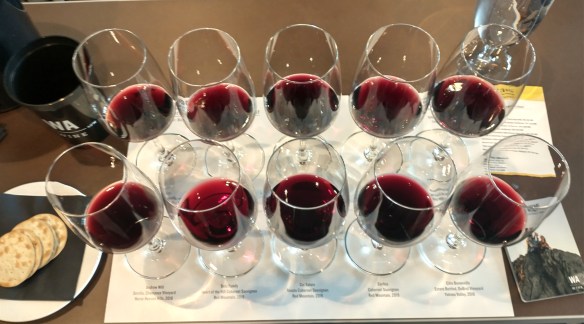
Cabernet SauvignonsIn Washington state, winemakers are legally allowed to add small amounts of other wines (up to 25%) to get a single-varietal wine the way they want it to be (think other Bordeaux varietals, which are Merlot, Cabernet Franc, Petit Verdot, Malbec, Carménère). So it can still be called Cabernet Sauvignon on the label as long as it is at least 75% Cabernet Sauvignon. I’ve had 100% Cabernet Sauvignon wines before in lower price ranges. Do all the truly fine, upper echelon Cabs depend on dabs and dollops of Merlot and Cab Franc to put them at the top? Perhaps, but I don’t know.

My favorite of the day, if I had to pick, was Quilceda Creek. Sure, it was the most expensive wine, but I’m pretty good about not letting price bias me. It tasted magnificent in my mouth, no faults whatsoever. Pure bliss. I polished off the glass because it would have violated my conscience to leave it. It was a crime to leave the other wines on the table but that my friends is the nature of a wine tasting, and you just have to make peace with it. Otherwise your liver will revolt! 🙂

I noticed that the two gentlemen I sat between both polished off their Quilceda Creek with no problems as well, and they both admitted to loving it.

My other stand-out favorites were Woodward Canyon, Betz, and Col Solare.

But all the wines were memorable, wonderful, and superbly delicious. What a treat. ❤

As far as the question of price – is it really worth spending anywhere from $85 – $250 on a bottle of fine wine – my answer would be a) yes, if you can get someone else to buy it for you 😉 and b) if you’re buying it, and funds are finite, then just once in a great while. You could also go in with friends and decide to share one of these bottles with a fine meal or just some epic charcuterie.

Drinking fine wine is like enjoying a Wagyu steak: it’s still steak, but it’s so unique and almost different from steak it’s in its own category, and you don’t eat it every day. In fact, when I’ve gone out for fancy steak dinners, I sometimes prefer the lower-priced, corn-fed cuts because I like them. Fine red wine vis-à-vis less expensive red wine is the same. But here’s the really great news: you don’t have to spend an arm and a leg to get FANTASTIC Cabernet Sauvignon (and so many other wines) in Washington State. You really don’t.

While there are numerous Taste Washington events – including The Grand Tasting, the two-day wine and food extravaganza at Lumen Field Event Center with hundreds of restaurants and wineries – if you have to choose just one event, I vote for attending one of the seminars. Why? For much less money (I spent $108, even after all the lovely added charges and fees), you get:

  • To sit and relax for an hour and a half, not having to spend hours on your feet jostling around in a crowd
  • To hear from the winemakers firsthand and learn a lot about your selected topic
  • To ask questions directly of the panel, should you so desire
  • 10-12 pours of outstanding wines (in this case, ultra-premium Cabernet Sauvignon)
  • Last I checked, general admission on Sunday (the cheaper of the two days, I believe) was hovering at around a $150 price tag. Sure, you get to try TONS of wineries and restaurants, but if you’re interested in a calmer, more focused sit-down experience, a seminar is the way to go. They offered three seminars this year, and since all happen concurrently, you have to pick just one.

I’ve been to wine festivals and those are definitely fun and have their place. I love wandering up to the tables and having excited people pour me sips of delicious wine, and rubbing elbows with fellow wine enthusiasts. But if you have limited time and resources, and have to be selective of where you spend your dollars, the seminars have my wholehearted recommendation.

What about you? Have you attended any Taste Washington events, in particular the seminars? Do you have any similar events in your town? Comment!

On a Lighter Note: A White Chocolate and Wine Pairing for Valentine’s Day

Happy Valentine’s Day, readers! I hope you’ve got some indulgent treats awaiting you today, perhaps a special bottle of wine or your favorite dessert? If not, I have a pairing I hope you will really like.

Valentine’s Day typically calls to mind images of dark chocolates nestled romantically together in a box and sleek, alluring bottles of red wine. But since I’ve already covered what to pair with milk chocolate, dark chocolate, and what to pair with sparkling wine, I wanted to explore uncharted territory: I became curious about what to pair with white chocolate. I’m sure there are some people out there who prefer white over milk and dark chocolate. Sure, white chocolate isn’t *true* chocolate because it lacks cocoa solids and only contains cocoa butter, but that doesn’t mean it isn’t a delicious treat. To me, there is a time and an occasion for every type of chocolate! 🙂

But is there a wine for every type of chocolate, especially white?

White chocolate is very rich, sweet, and creamy, and calls for something that can handle its weight and richness.

Last year, for fun, I paired some white chocolate with Pinot Noir and then with Sauvignon Blanc. In both instances the pairings were flops and tasted less than desirable. Of course there may be certain versions of those wines out there that randomly would work well with white chocolate, but if I don’t like something when I try it, I am certainly not going to recommend it to you. Bad wine and food pairings can be truly awful!

But there has to be something, right?

I am probably not the first one to invent this pairing, so I won’t take credit for it; in fact, I most likely encountered it while reading about wine (what else is there to read about?). It occurred to me that pairing white chocolate with orange Muscat, a white wine that can be made in a sweet dessert style, would create that amazing flavor combination of orange and vanilla, like an orange creamsicle. Anyone remember the Dixie® cups with the swirl of orange sherbet and vanilla ice cream? The ones that came with the little flat wooden spoons?

I love that flavor combination, so I sent my husband to pick up a bottle of orange Muscat and some white chocolate bars so we could conduct some scientific research (that is what I call drinking wine and pairing it with food in my house. Best science class you’ll ever have.). 😉

Here is what our research yielded:

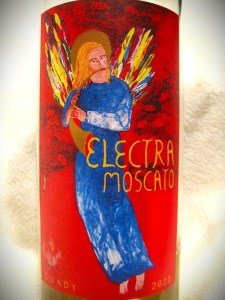
Quady Electra Moscato 2022

Quady Electra MoscatoWhite Chocolate

  • ABV 4.5% (super low!)
  • $11.49/bottle (whoa, also super low, very helpful right now)
  • Pale gold color
  • Light bodied, nice refreshing acidity, sweet
  • Aromas/Flavors: “millions of peaches, peaches for me” | honey, grape, Muscat aromas
  • Serve chilled
  • Admittedly, this is quite sweet wine, and rather simple, but it works beautifully with the white chocolate.
  • It really is reminiscent of tangy orange sherbet and smooth, creamy vanilla ice cream.
  • Pairing it with white chocolate was delightful and seamless.
  • But word to the wise – only use plain white chocolate! We tried a hazelnut white chocolate bar with this wine and it was gross. Try the brands Private Selection or Lindt, for example.

I like this pairing because it’s a little different, a little more unique than chocolate truffles and red wine (or heaven forbid, sparkling wine – great to drink just separately from chocolate).

It’s rich yet light, sweet, floral, creamy, delicious. It’s like Valentine’s Day in its purely innocent form: cute, flirtatious, fun and easygoing. There are no clashing flavors, making it an entirely pleasant experience. Phew!

I can get serious and sullen sometimes, turning inward and becoming preoccupied with gloomy thoughts. Forget the outside world, which is serious and sullen enough on its own; my own inner world can brew more than its fair share of despair.

At those times I have to remind myself to reject negative thoughts and lighten up. I’ve even started re-watching the TV series The Office because it still makes me laugh out loud, every episode, after all these years. How it is a 25-year old show now is beyond me.

I think this white chocolate and orange Muscat pairing works that kind of magic.

Here’s to lightening up.

Cheers, and Happy Valentine’s Day! 🙂

A White Wine for Fall and Winter (Yes, You Read That Correctly)

Disclosure Statement: This post contains affiliate links. When you click on an affiliate link and make a purchase, I receive a commission at no additional cost to you. All opinions are my own.

Greetings, readers! It’s good to be back on the blog. The last time we spoke I was lauding the juicy scrumptiousness of blackberry wine. Then summer happened, brimming with fun in the sun, kid activities, a sickness or two, and a surgery for me. Sadly, my wine blogging ambitions had to take a backseat. Life gets busy and in those down moments it was often my desire for a nap or Netflix that won out.

But it’s time to get back to business. There are just too darn many amazing wines to write about and to try. I love the French saying, “Life’s too short to drink bad wine” but honestly the motto that resonates most with me is “So many wines, so little time.” (Anyone know where I can get that as a T-shirt of baseball cap?) 😉

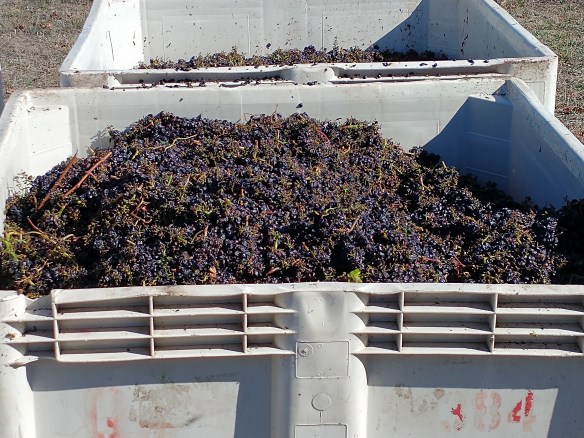
Harvested grapes at David Hill Vineyards

Harvested grapes waiting to be turned into wine.

ANYWAY…. It’s November. Fall is well underway, the harvest has happened, the elections are over, and Thanksgiving is staring us in the face, just over the river and through the woods (not to fear, my Thanksgiving wine recommendation will be coming up next!). Everyone take a Deep. Calming. Breath. I’m enjoying the fact that there are still some vividly colored leaves hanging on to the trees, illuminating otherwise often-gloomy grey skies.

November to me is when we settle in collectively for a season of coziness. I’m making lots of soups for dinner, snuggling in ultra-soft blankets, and filling my coffee with pumpkin spice creamer. Cozy and homey. My wineglass lately has been full of excellent Pinot Noirs, whose lightness and complexity beg for the kind of contemplative savoring unique to fall.

But we’ll save Pinot Noir for another day… what I most want to talk to you about today is an unusual Pinot Blanc. I tried this particular wine in Oregon a month ago. It truly embodies the spirit of fall in a white wine. This Pinot Blanc is from David Hill Winery in Forest Grove, Oregon. David Hill Vineyards and Winery is LIVE certified and uses low impact, organic farming methods to pamper these special grapes and bring out their maximum potential, and the efforts pay off handsomely in delicious wines.

David Hill Vineyards & Winery, Forest Grove, OR

The day we tasted at David Hill Winery. Heaven on earth.

As I may have mentioned before, Oregon white wines have seriously captured my fancy and have been commanding plenty of attention as of late. This winery is a wonderful place to discover some phenomenal old-growth varieties and taste a spectacular array of wines.

The oldest vines in the vineyard were planted from rootstock, brought back from Alsace, France, by UC Davis graduate Charles Coury in 1965. Wines made from Coury’s plantings are part of the winery’s Discovery Series label. Some of the other intriguing varieties include Riesling, Sylvaner, Chasselas, Melon de Bourgogne, Gewürztraminer, and Pinot Noir. The Sylvaner may very well be getting its own blog post here in the future, and my husband and I are huge fans of their noble rot-affected Riesling. 😋

Wine grapes at David Hill Vineyards

White wine grapes just about ready for harvest at David Hill Vineyards. Soaking up that golden sunshine.

Come get to know this Pinot Blanc that is unlike any other Pinot Blanc I’ve had to date:
David Hill Vineyards & Winery Tualatin Hills Block 22 Pinot Blanc 2023

  • David Hill Vineyards & Winery Discovery Series 2023 Block 22 Pinot Blanc
  • 100% Estate-Grown Pinot Blanc
  • Get this: this wine is aged in 100% chestnut barrels. Chestnut barrel aged wines are something you don’t taste everyday. Chestnut wood barrels were used in many European wineries before a global blight wiped out a large portion of chestnut trees. So it’s a real treat to taste a wine fermented and aged in something besides oak, stainless steel, or concrete.
  • $32/bottle
  • ABV 11.28%
  • From the tasting notes: “Aromas of golden apple and brown pear with a hint of nectarine and river rock meet the freshness of dill and fennel to round out the nose of our 2023 Pinot Blanc.” These notes carry over to the palate “along with subtle Marcona almond” giving “a warming, comforting… textural component through the finish. This wine is reminiscent of… fall spices and late summer notes.”

Isn’t that just gorgeous? 🍂

You need this wine for light refreshment when you are outside enjoying a still-warm autumn afternoon, just as much as you need this wine when you are indoors, at night, curled up on the couch next to a fireplace, ready to relax and soak in all this wine’s autumnal glory. And it’s begging to play with fancy cheeses. 🙂 It’s got it all!

So don’t EVER put away your whites, just because it’s after Labor Day. 😉 This rich and complex Pinot Blanc is perfect for fall, winter, and beyond.

Cheers! 🙂 🥂

25 Most Wanted Wines

Food & Wine Gift Baskets

Great Bottles to Give

That’s One Way to Do a Blind Tasting

Disclosure Statement: This post contains affiliate links. When you click on an affiliate link and make a purchase, I receive a commission at no additional cost to you. All opinions are my own.

Remembering My First Attempt at a Blind Wine Tasting

COVID-19. That word elicits an entire gamut of reactions – from sorrow, fear, panic, to annoyance, anger, and even indifference and eyerolling mockery. I think all of those were certainly warranted at various times, of course depending on our opinions of the whole situation and who we were trusting as a reliable news source. Regardless, it’s a word and a reality we all hope never to have to visit again. But it did force us to be creative and adaptive, I’ll give it that.

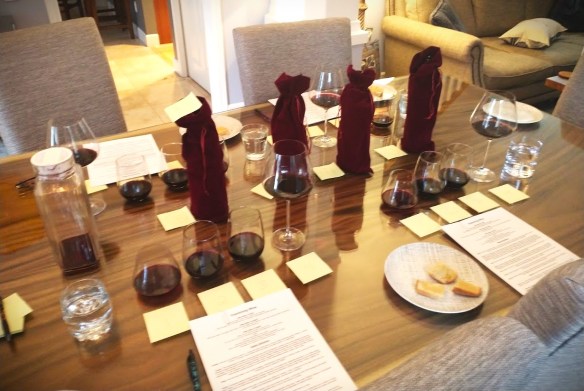
The COVID-19 pandemic presented humanity with the unique situation of having to learn how to deal with our unmet needs and wants in an environment devoid of 98% of our social norms and interactions. For me, I made do for a while – I pride myself on being able to suffer a great deal of monotony, thanks to past jobs and present parenthood. But after months of tedious isolation from the lockdowns, I was bursting at the seams for social interaction and, namely, festivity. A party. Specifically, a blind wine tasting party, where several wines would be visually sized up and sipped without any knowledge as to the wine’s identity. Within my bubble, obvi. So I roped my husband and in-laws into it (they were happy to have an excuse for a party at that point, too) and made it happen.

Because I wanted to participate, too, the wines needed to be kept a complete mystery, even to me, the party organizer. So I called my local Total Wine & More store, and explained I needed to make a secret purchase. I told them I was looking for four bottles of red wine, each a different single variety (like Merlot or Pinot Noir), each from a different region. When the store associate asked me over the phone what my budget was, I told her $60, under the assumption she meant my total budget for the purchase. She was happy to make the order happen. The store even bagged each bottle and boxed it up securely so I would have no idea as to the contents. I even handed my debit card to the cashier and she rang me up without a word and then I shoved the receipt elsewhere.

The tasting was a lot of fun. The four of us enjoy great wine, and whatever our Total Wine person had picked out was indeed great. Maybe a little too great for an approximate price of $15/bottle, but I was going to wait until the end to find out. I put together elaborate tasting sheets fit for professional sommeliers. I even stuck the bottles in red velvet drawstring wine bags like door prizes at a bordello. Clearly, I take my wine tastings damn seriously. 😉

Blind Wine Tasting Party

My kind of game night: guessing grapes! 🙂

We tasted all four wines and attempted to guess the grape variety and country of origin for each one. Just those two things alone were hard enough! We talked through all the characteristics and traits of each wine, creating our own quartet of sniffing, swirling, slurping, and sipping (spitting has no place in a pandemic), and volleyed around our best guesses as to why this one tasted European or that one might be a Syrah, etc. It was a lot of fun for me to practice what I had been learning the last few months with my online wine course and readings. We wrote down our best guesses on our worksheets, and then finally unveiled the wines.

It was educational to compare what we experienced with the revealed wines. I did not guess anything correctly, and I don’t think anyone else did either, unless it was one part of the answer like the grape or the country. Tasting wine blind is like taking a test: it’s your best educated guess, based on what you know in that moment from the facts at hand interpreted through your own experience. But that was without a doubt the most fun test to ever fail.

It was also highly educational (ahem) when I finally uncrumpled my receipt and realized, to my astonishment, that Total Wine had interpreted my $60 budget not as the total for the order, but the average price of each individual bottle of wine! No wonder they were all so good! 🙂

I cannot find where or if I wrote down the exact names of the wines, but I did write down the general categories and one producer.

Just for fun, here are the wines we had. The majority were superbly delicious:

1) Brunello di Montalcino (Sangiovese from Italy)
2) Napa Valley Cabernet Sauvignon (California)
3) Rhône Syrah (France)
4) 2010 Betz Family Winery Yakima Valley Syrah (Washington) (This one, sadly, was a little past its prime, and the cork crumbled on us)

Lesson learned: if I attempt a blind tasting this way in the future, I will be extremely clear on price with my salesperson. But since it’s not every day I get to drink outstanding wines like these, I decided it was well worth it. And especially during an awful time like the pandemic, it was all the more reason to indulge.

Wine.com

In Praise of Pinot: Two Eggcellent Choices for Easter

Disclosure Statement: This post contains affiliate links. When you click on an affiliate link and make a purchase, I receive a commission at no additional cost to you. All opinions are my own.

Good morning?

Here we are on Good Friday, commemorating one of the most gruesome and horrific sacrifices in history, and I’m about to blabber away about Pinot Noir. The cup of wine that Jesus said represented his shed blood had now been literally poured out in his own death. There is something heavy and solemn about this sacred holiday that makes one feel a little off kilter, and it feels completely foreign to talk about celebrating on a day like this. Even my coffee demands to be drunk black today because anything else seems wrong.

But the end is not unknown, and there exists the hopeful realization that in just two days it will be Resurrection Sunday. Death doesn’t have the final say and the great suffering borne out of love accomplishes its purpose.

With that all kinds of fooding and feasting will commence, so it’s up to me to prepare you for such things and get you your wine recs in time. 🙂

I gabbed with you last year about the delights of Pinot Noir and Easter fare, and since my Pinot Noir recommendation cup runneth over, we are circling back to the same leitmotif with two new ones for 2024.

These two wines stole my heart last year at the McMinnville Food + Wine Classic, and while I gave them some brief lip service in my review of last year’s event, I have not spilled all the exclusive juicy details… until now!

Pinot Noir is one of the most food-friendly red wines available, thanks to its usually light to medium body and fruit/acid/tannin profile. These two elegant, refined, and beautiful Pinots are both worthy of a fine Easter meal (or whatever the occasion may be). They are fantastic on their own, but they are the awesome sauce to pork, lamb, duck, chicken, turkey, beef, fish, and vegetable/grain mains. You name it, it tends to work great with it!

Without further ado, here are two excellent Pinot Noirs for your consideration:
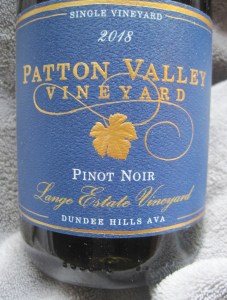
Patton Valley Vineyards Lange Estate Vineyard Pinot Noir

Patton Valley Vineyard Pinot Noir 2018
Lange Estate Vineyard
Dundee Hills AVA
$60/bottle
14.7% ABV
Per the bottle: “Planted in 2004, the Jory soils from this high elevation Dundee Hills site produce grapes that yield vibrant and aromatic wines. Partial whole cluster fermentation, combined with naturally vibrant acidity, gives this wine structure to balance the ripe and luscious profile.”
Absolutely enchanting and divine, is what I call this Pinot. And no wonder, as the grapes herald from one of my top favorite Willamette Valley AVAs (Dundee Hills). It’s got good acid so it makes for a good food-pairing Pinot. Do yourself a favor and pick up this wine, which boasts a “lush red fruited nose” and a “broad and silky palate.”
https://www.pattonvalley.com/Domaine Lumineux Pinot Noir

Domaine de Broglie 2019 Pinot Noir
(N.B.: The winery is now known as Domaine Lumineux but they are still selling some of their wines with the former Domaine de Broglie labels)
A Francis Coppola Wine | Clone 777 | Domaine de Broglie Vineyard, Dundee Hills

  • $62/bottle
  • ABV 13.4%
  • Medium garnet color
  • Bouquet that unfolds exquisitely in the mouth
  • Cherry, strawberry, chocolate, earth, mushroom, tea, and some subtle anise/licorice
  • Acidity is there and just right
  • Fruit is present but gentle and balanced
  • Long-lasting finish
  • From the bottle: “Clone 777 is known for producing low yielding, compact clusters that lead to rich, dark fruit flavors and notes of spicy leather on the velvety finish.”
  • My tasting notes at the time: “Wow! Heck yes. Awesome!”

Yet another Dundee Hills Pinot Noir, but what a stellar one! I clearly have my favorites. 🙂 (I will delve into some other really great Oregon Pinot AVAs in the future). Among other accolades, this particular wine won “Best of Show” and “Best Red Wine” at the 2023 McMinnville Wine Competition. I knew I had encountered something truly special when I first sipped it.
https://domainelumineux.com/

Ahhhhhhhh….

So there you have it: primo Pinot. The fancy sort that I find quite irresistible and perfect for opening up on special occasions. Perfect for celebrating the greatest universe-altering day in human history: when grace conquered sin and life conquered death.

Have you sipped either of these wines or others from Patton Valley Wines or Domaine Lumineux? What are you drinking for Easter? Let me know in the comments.

Happy Spring and Happy Easter. 🌷

Wine.com

When Irish Eyes Are Smiling: A GSM to Steal Your Heart Away

Disclosure Statement: This post contains affiliate links. When you click on an affiliate link and make a purchase, I receive a commission at no additional cost to you. All opinions are my own.

Happy Pi Day, readers! It’s hard to believe it’s been one month already since Valentine’s Day. I don’t have any pie recipes for you today (see my Valentine’s Day post on grape galette), but with St. Patrick’s Day looming, I thought I would pull out a cherished bottle from my wine cellar with an utterly fitting name: Irish Eyes. Cue the Bing Crosby song.

This lovely bottle came home with me after a Saturday out tasting solo in Woodinville (a city in Washington state with a bajillion wineries). This wine was not part of the tasting flight that day but I am sure glad my server poured it because it stole my heart and I had to go home with it. As a matter of fact, both wines I purchased that day from two different wineries were not on the flight menu, including a ridiculous Cab Franc that I need to write about soon.

For those of you who don’t know, GSM stands for the three red grape varieties of Grenache, Syrah, and Mourvèdre. These three varieties comprise a famous red wine blend you’ll find traditionally in France’s Rhône Valley and also Spain’s Catalonia region. There is a reason these three grapes are frequent bottle-fellows. Here is a quick snapshot of what each grape variety is like and what each typically contributes to a blend:
Grenache: raspberry, cherry flavors. Medium body, low/medium tannin and acid, high alcohol.
Syrah: blueberry, plum, smoke, pepper, meat flavors. Full body, medium tannin, alcohol, acidity.
Mourvèdre: dark fruits, chocolate, velvety texture. Deep, dark, inky color. Full body, high tannin, medium high alcohol, medium acidity.

Together, they make some of the world’s greatest wine blends. 🍷

Irish Eyes is made by Tinte Cellars, and named in honor of the owners’ Irish parents. Tinte Cellars crafts premium Washington state wine, as evidenced by this exceptional bottle. But not only are they making award-winning delicious wine, they are engaged in a wide range of charitable activities. The family-owned business operates to give back generously to the community through a robust philanthropic program. Check out all the cool things they are doing here. All the more reason to visit them for a tasting, take home a bottle (or a few), and maybe even join their wine club. It sounds like they have a lot of fun doing good. ❤

Here’s their take on a GSM blend:

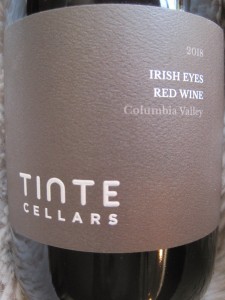
Tinte Cellars Irish Eyes Red Wine

You’ll be smiling once you sip this wine.

Tinte Cellars 2018 Irish Eyes Red Wine Columbia Valley

  • $48/bottle
  • Composition: 41% Grenache, 39% Syrah, 20% Mourvèdre
  • Alcohol: 14.8%
  • Color: Deep ruby
  • Aromas: Raspberry, Blackberry, Plum, Pepper, lavender/rosemary, smoky, touch of leather, orange peel
  • Flavors: cherry jam, orange pekoe tea
  • Tannins: Very soft, gentle, velvety, in the background
  • Body: medium
  • Acidity: Moderate. It’s there to play enough of a role but it’s super even-keel.
  • Finish: Not super long. But not super short, either.
  • Winemaker’s Notes: “Aromas of mixed berries and black tea give way to cherry jam and orange zest on the palate. The finish treats you to berry punch and a hint of butterscotch.”

This wine is delicious on its own so it does not need any food to go with it. I happened to drink some of this along with my dinner of Smoky Lentil Stuffed Sweet Potatoes, and it was very tasty.

I don’t think you can go wrong pairing this with corned beef and cabbage. It certainly has the structure to handle juicy beef and other typical St. Paddy’s Day fare. We are having our Irish feast on Sunday, and my mouth is watering just thinking about the menu. I’ll even be whipping up my Bailey’s Irish Cream cheesecake for dessert. 😋

Have you tried this wine? What did you think? Let me know in the comments.

Happy St. Patrick’s Day, and Happy Almost Spring! 🍀

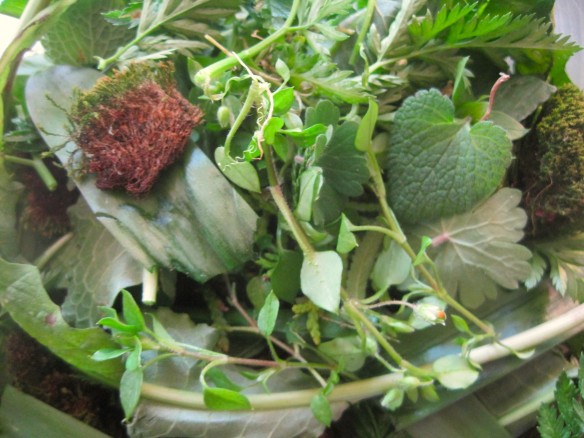
Spring mix from my yard

Spring is springing! My daughter’s “salad” made from weeds and grasses pulled from our yard – I love all the shades and textures of green.

NatGeo Award Classics Campaign

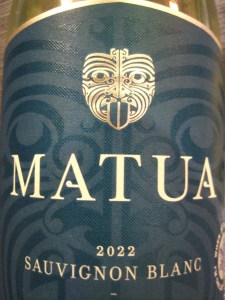
Your New Favorite Kiwi Juice: Matua Sauvignon Blanc

Disclosure Statement: This post contains affiliate links. When you click on an affiliate link and make a purchase, I receive a commission at no additional cost to you. All opinions are my own.

Happy February, readers! It is the month of love and I have some LOVELY wines to share with all of you. Get excited! But first, a confession….

I was going to do a Part I of a Valentine’s Day series on pairing wine with chocolate – specifically white chocolate – but while the white chocolate truffles I selected were delicious, they did not work great with either the New Zealand Sauvignon Blanc or the Willamette Valley Pinot Noir I paired them with. Phooey, and those pairing recommendations came directly from a well-known wine blog (yikes). I have integrity, which means I cannot tell a lie and give you a bad wine and chocolate recommendation. Thankfully, these poor pairings gave me a REALLY great idea for a white chocolate and wine pairing, but I’m out of wine dollars for the moment so we’ll save this idea for Valentine’s Day next year.

Stay tuned for a different wine and chocolate pairing coming up before Valentine’s Day! ❤ 

But in the mean time, I need to go ahead and just share this Sauvignon Blanc with you already because I’ve known about it for a while and it’s a crime to withhold this knowledge from you any longer. And wouldn’t you know it? February 6th was Waitangi Day, a national holiday in New Zealand that marks the signing of the Treaty of Waitangi, the country’s founding document. Ha, whaddya know, bro?

So in honor of the glorious wine-producing nation of New Zealand, I present to you, Matua Sauvignon Blanc! This pretty bottle retails for about $11 at my local grocery store, or $14 on wine.com (if you purchase through this link or the one below, it supports the blog, thank you very much). The balance and flavor profile for the price is amazing! A typical Sauvignon Blanc, it offers mouth-puckering acidity, light body, refreshing citrus and mineral flavors with a touch of tropical fruit.

Check it out….

Matua Sauvignon Blanc

Is he sticking his tongue out or salivating because the wine is so good?

Matua Sauvignon Blanc:

  • An excellent price point (which is important these days)
  • From Marlborough, NZ – the global epicenter for New World Sauvignon Blanc
  • 13% ABV
  • Pale straw color with a greenish hue
  • Powerful, scintillating aromas erupt out of the glass: passionfruit, kiwi berry, sugared grapefruit peel, macadamia nut, fresh cut green grass
  • Flavors of citrus, lime, gooseberry, and some tropical fruit (melon)
  • Tart, lively acidity that refreshes and plunges you into pure enjoyment, without being searingly zingy, it also boasts a juicy, full mouthfeel even with its light body
  • Word from the winemaker: “This classic Marlborough Sauvignon Blanc is deliciously pure, bursting with ripe lemon citrus notes and hints of passion fruit and basil. The palate is fresh and vibrant with concentrated blackcurrant leaf and a touch of classic cut grass and green melon. So refreshing, you’ll be left wanting more.”

While I wouldn’t recommend pairing this with white chocolate, it will go great with seafood, chicken, and grilled vegetables. But honestly, it’s so good you should just drink it on its own and not mess with greatness.

I shared this with a friend whose favorite wine is Sauvignon Blanc and she loved it. I hope you do, too! Let me know what you think.

Kia Ora, Bros! 🙂

Love Sauvignon Blanc? I have a review of another fantastic New Zealand Sauvignon Blanc here.

NatGeo Award Classics Campaign

Think Pink: International Rosé Day + Delish Salmon Recipe

Summer greetings, and Happy International Rosé Day! Take time to stop and smell the roses and rosés. 😉

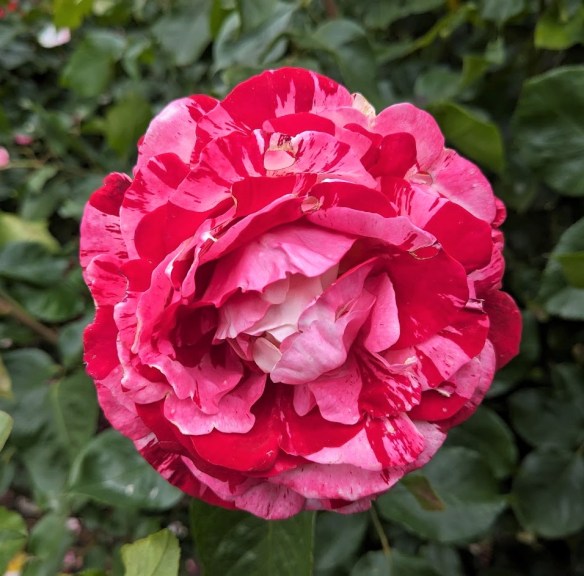
RoseEarlier this month, I was very confused, but then some quick Googling cleared everything up (Googling usually has the opposite effect): in June, there is not only a National Rosé Day but also an International Rosé Day, which is today. I briefly panicked because I’d been planning to share this particular rosé with you for some time, and was afraid I had missed my window of opportunity. Oh, the agony!

As a Washingtonian, I suppose picking a Columbia Valley Rosé isn’t very international of me, but for those of you not in the USA it qualifies. I’ll admit, I’m starting to enjoy rosé more and more, but I even had to create a blog post category for rosé 11 years after starting The Rambling Vine! So while I haven’t covered it much in the past, this one is worth mentioning, because it’s delicious AND the first type of rosé I’ve had using this particular grape. I’m all for distinct and uncommon wines.

I’m also sharing a favorite recipe that is the ultimate easy, yummy, and gorgeous summer meal. It is charming with the wine.

For those not in the know, rosé is a style of wine, not a wine made from pink grapes. 😉 Sorry to break the news. Red wine grapes are harvested, crushed, and the grape skins are allowed to soak with the grape juice for varying periods of time before being separated in order to impart anywhere from the lightest hint of pink to deep fucschia colors. Rosés generally taste more like white wines but I’ve had some that really straddle the line between both red and white wine in terms of their body, tannin, acid, sweetness, and fruit profile. They truly run the gamut of styles.

Common grapes used to make rosé wines include Sangiovese, Barbera, Pinot Noir, Grenache, Merlot, Syrah, and Cabernet Franc (this is just a few examples).

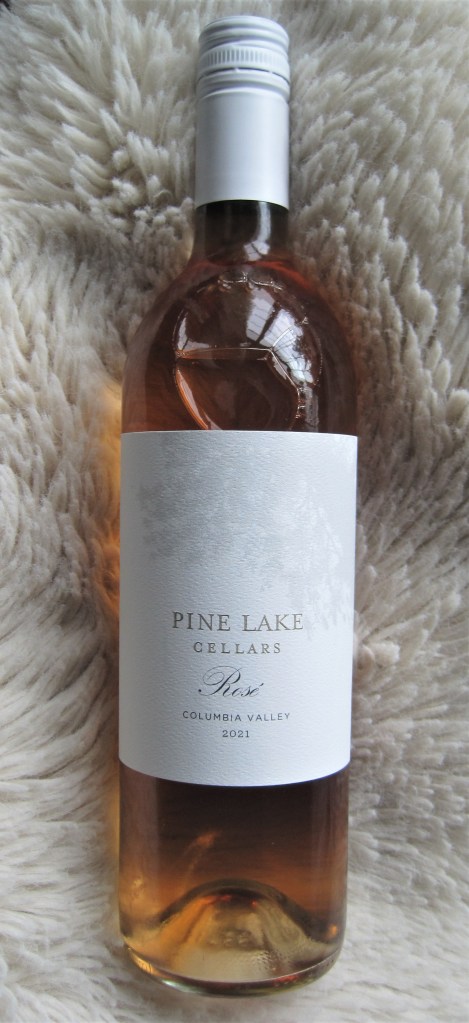
This rosé, however, from the lovely Pine Lake Cellars of West Seattle, is made from Cabernet Sauvignon grapes from the Columbia Valley AVA, and is the only rosé I’ve ever had made from this grape. Cabernet Sauvignon is the “king” of the red wines, and the ultimate steak dinner pairing. It was so interesting to taste this grape as a rosé wine!

Glass of Pine Lake Cellars Rosé

I had to let it outside, it was begging

You can purchase this wine at the Pine Lake Cellars tasting room in West Seattle or through their website, which I’ve linked below. If you’re in the area, check out their cute, stylish tasting room that has food for purchase and is kid and dog friendly. They also feature outdoor covered and heated seating areas. My sweet friend treated me to a tasting here a few months ago and we had a stellar time.

Fair warning: they are running low on this rosé, so if you’d like to try it, get on it. A different rosé of Syrah will be showing up soon. I sincerely hope Pine Lake Cellars revisits this particular Cab rosé in the future. In the mean time, I look forward to trying the Syrah rosé.

Pine Lake Cellars Rosé of Cabernet Sauvignon 2021 Columbia Valley
Pine Lake Cellars Rosé

  • $25/bottle
  • ABV 13.8%
  • Serve slightly chilled
  • In the glass: color is pale copper pink, like traditional ballet tights (you dancers know what I’m talking about)
  • More medium-bodied, unctuous, mouth-filling, hint of sweetness, yet still with crisp, refreshing character
  • Nose: light cherry, honeydew, watermelon, rhubarb, tarragon (?)
  • Mouth: tangerine, plum, black currant cream, celery/fennel, gummy peach candy on finish
  • This is a lower acid rosé

And here is one of my favorite easy summer recipes that goes “swimmingly” with the wine. 🙂

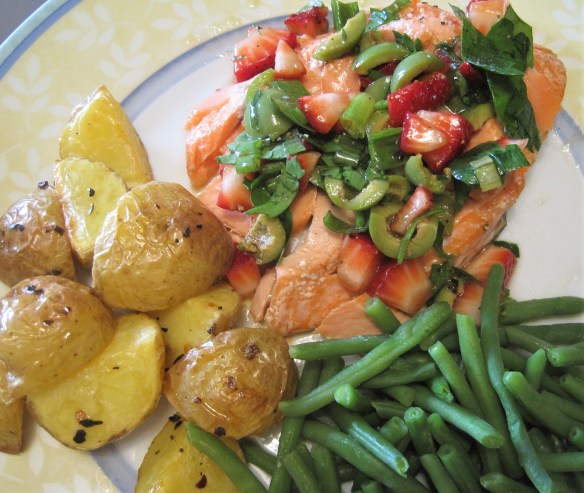
Salmon with Strawberry Scallion Tapenade

Copper River, baby!

Salmon with Strawberry-Scallion Tapenade
Recipe courtesy of Jamie Vespa, RD of Dishing Out Health
With my adaptations | Yields 4 servings
*Get that Copper River Salmon right now if you can!

INGREDIENTS

  • ¾ cup diced strawberries
  •  cup pitted and chopped green olives (I recommend Castelvetrano olives)
  • ¼ cup thinly sliced scallions
  • ¼ cup fresh chopped cilantro or parsley (or a mix of both)
  • 2 Tbsp. red wine vinegar
  • 2 tsp. lower-sodium soy sauce or tamari
  • 4 Tbsp. extra-virgin olive oil, divided
  • 4 (6-oz.) skin-on salmon fillets or one salmon side to feed 4
  • ¾ tsp. kosher salt, divided
  • ½ tsp. freshly ground black pepper, divided

INSTRUCTIONS

  • In a medium bowl, combine strawberries, olives, scallions, herbs, vinegar, soy sauce, 2 Tbsp. of the oil, and ¼ tsp. each salt and black pepper; toss to combine. Set aside.
  • Heat oven to 400 degrees Fahrenheit. Blot salmon fillets or side dry with a paper towel, place on baking sheet, and coat flesh evenly with remaining 2 T olive oil, ½ teaspoon salt, and ¼ teaspoon black pepper.
  • Place salmon in oven once preheated. Cooking time will vary depending on cuts of fish, but for a side of salmon I find 16-18 minutes is just right. Smaller pieces will take way less time. I prefer cooking fish in the oven to save time and especially to avoid oil splatter on the stove. Salmon should be cooked to a safe internal temperature of 145 degrees Fahrenheit.
  • Transfer salmon to a serving platter and spoon tapenade over top.
  • Perfect with fresh bread, arugula salad, and Pine Lake Cellars Rosé! 🙂

Let me know if you try this wine and/or make this recipe.

Cheers to pink food and drink (and even a kitchen sink)! 😉

Hats Off to the Grads: Convocation Red Blend + NW Wine Academy

I was driving around last Friday running errands and was amazed at how busy it was everywhere I went! It was the kickoff for Father’s Day weekend/Juneteenth/summer tourism season, the last day of school for many schools, and a booked up day for graduation ceremonies.

Here is the second part of my “dads and grads” series for June, with a focus today on graduates. I’ll introduce you to a truly unique red blend that is perfectly befitting a graduation, and uncover a lovely hidden gem near West Seattle for wine tasting. Ready?

Some weekends the urge to go wine tasting is so great, we pull the kids in the car and go off on a quest for our favorite beverage. I generally don’t like to take the kids to too many wine tastings; if unequipped they get bored and rightly so. But at the same time, when it’s just us, there’s no childcare, and Mom and Dad just want to get out for one measly half-hour tasting, I see nothing wrong with taking the kids and expecting them to practice the patience we are teaching them (of course every family is different and it won’t work for all ages and stages of kids).

Where better to practice than an institution of study… specifically wine studies! 🙂

Not too long ago on one of our weekend wine forays, we stopped by the tasting room of South Seattle College’s Northwest Wine Academy. Years ago at an old job, I sampled some of their wines at an event held at South Seattle College, and remember being so impressed I made a mental note to do a tasting there sometime. I’m just sorry it took me so long to get there!

Northwest Wine Academy offers classes in wine making, wine marketing & sales, and food & wine pairing, all taught by renowned and experienced wine industry professionals. Students can take a class or two just for fun/enrichment or earn a full-on degree or certificate. Learn more about their classes here.

And, most fun, the wine you get to enjoy is made by the students, and it’s REALLY GOOD!

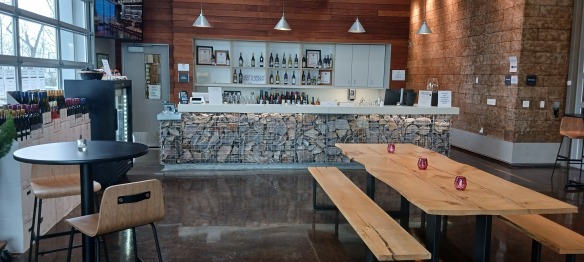
While the tasting room doesn’t have a ball pit, arcade, or jungle gym for kids (that would be an amazing tasting room – I wonder if that exists somewhere?), it DOES have plenty of spacious tables to spread out at, and there is a large outdoor patio with tables that is especially great for wiggly children or those who wish to sip wine al fresco.

There are also snacks available for purchase. I think I recall seeing things like crackers, snack bars, salami, and cheese.

Another plus in my book is the ample free parking – no crazy packed wine country weekend parking nightmares here (ahem Woodinville).

At the tasting room, your tasting fee is only $8 and you get to pick 4 wines from a fairly extensive list of wines available. The pours are very generous, too (basically 4 full glasses of wine), so if you’re a lightweight make use of the dump bucket. Or just plan to be there a really long time. 🙂

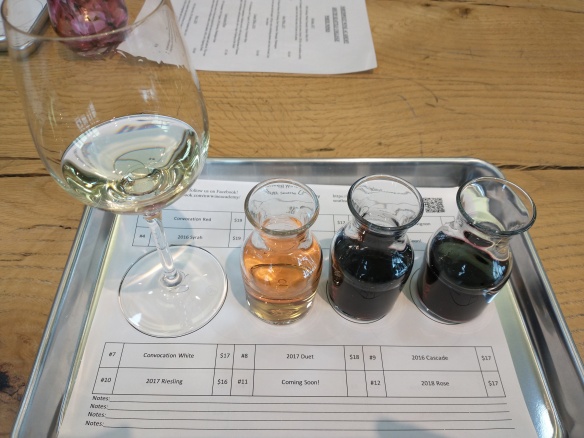
The wines are very interesting and delicious, and all are made by students under the supervision of their professional winemaker teacher. For my 4 wines, I picked the Duet White (Muscat Ottonel and Riesling), a Rosé of Merlot and Pinot Gris, Merlot, and Convocation Red Blend. My husband tried the Syrah and Cabernet Sauvignon so between the two of us we sampled all the reds. There’s my little lineup below….

Wine tasting at Northwest Wine Academy, South Seattle College

Wine tasting at Northwest Wine Academy, South Seattle College

We went home with the Syrah and the Convocation Red Blend, which I thought would make the perfect bottle of red wine to gift your (21+ age graduate)! 🙂

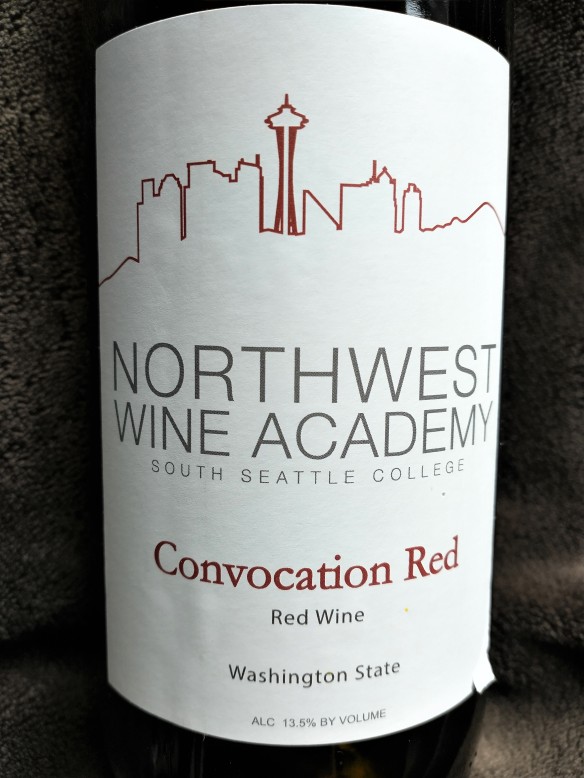
Northwest Wine Academy Convocation Red Blend Washington State

  • $19/bottle
  • 64% Merlot, 26% Blaufränkisch (which is also known as Lemberger), 10% Mundy Red field blend (a field blend is where two or more types of grapes are grown together in the same vineyard and then harvested and fermented together)
  • 13.5% ABV
  • Really pretty deep ruby with a little crimson/garnet
  • Blueberry, blackberry, black cherry, nice background spice and some kind of herbal note (thyme/rosemary/sage?)
  • Lovely and sophisticated nose – perfect for the accomplished and erudite graduate in your life
  • Approachable yet refined
  • Plenty of tartness and mouthwatering acidity
  • Strong tannic finish that makes a lasting impression
  • Winemaker tasting notes: “Aromas of black currants and cloves with hints of tobacco. Medium body and acid with lingering black cherries on the palate.”

Northwest Wine Academy Convocation Red BlendWhat I like about this blend is it’s a sort of triptych of an academic journey: the Merlot represents the old-fashioned/classic/traditional, the Blaufränkisch is like the unique individuality a student brings to their education, and the field blend represents the unknown future/element of mystery. Not sure if that was what the winemakers intended or not, but it seemed symbolic to me.

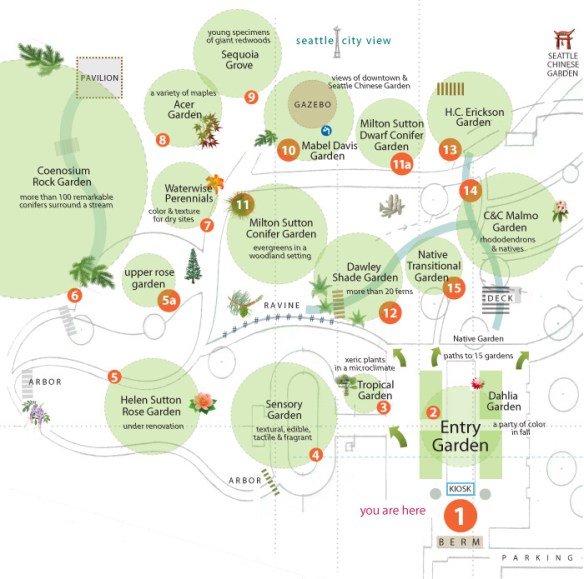
Before or after your wine tasting, wander over to the Campus Arboretum, which is home to numerous specialty gardens, including rose, tropical, conifer, perennials (among many others), and the Seattle Chinese Garden. All gardens are open every day from dawn until dusk, and are free admission. Gardens are managed by students of South Seattle College’s Landscape Horticulture Program.

Here is the complete listing of gardens and walking map.

South Seattle College Campus Arboretum Walking Map

South Seattle College Campus Arboretum Walking Map

Walk around in a beautiful and peaceful setting as your kids run around exploring and as you metabolize your wine. 😉

DO NOT MISS THIS PART OF YOUR VISIT!

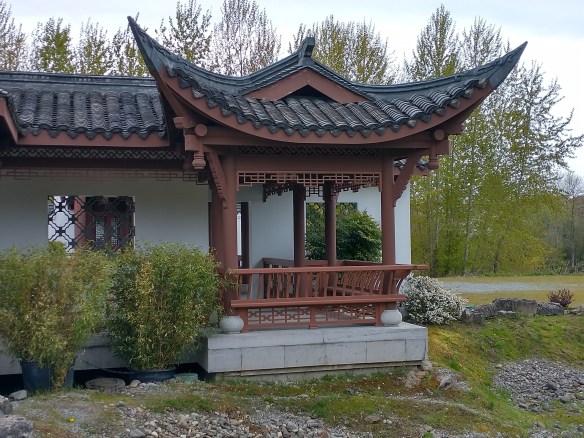
Seattle Chinese Garden at South Seattle College

Building in Seattle Chinese Garden at South Seattle College

Check out the Northwest Wine Academy Tasting Room for a special tasting experience for your grad or dad and for enjoyable Washington wines. Your purchases support the next generation of winemakers! And that is an important investment as anything.

Congratulations, graduates! Put your feet up and sip some NW Wine Academy wine, you’ve earned it! 🙂

Tasting Room at Northwest Wine Academy, South Seattle College

Tasting Room at Northwest Wine Academy, South Seattle College