Oregon Strikes Back with A Creme De La Creme of Pinot Noirs

Hello, friends! I’ve been vacationing, drinking wine, cooking delicious things, soaking up summer sun and neglecting the blog… you might call it conducting research. Summer is a grand season for recreating and relaxing, and my view is the more we can peel ourselves away from technology when it’s lovely out (smart phones included!) the better off we’ll be. But I can’t keep you all chomping at the bit, can I? The last wine I wrote about we were in the midst of a fierce interstate rivalry, so now let’s pick back up where we left off. Commence Part Deux of the Battle of Pinot Noirs: Oregon vs. Washington! Draw your wineglasses!

What is the point of living life without a few extravagant indulgences? A life of perfect discipline and piety might be beneficial, but is it natural to maintain or joyful to live out? If you sense the spirit moving, it’s time to take a road trip to the Willamette Valley and purchase a decadent wine. While you’re there, don’t miss De Ponte Cellars. It’s one of the better wineries I’ve tried so far.

De Ponte Cellars Estate 2008 Pinot Noir Dundee Hills shows Washington why Oregon dominates the realm of superb Pinot Noir. It’s on the spendier side, but once you taste it, you’ll understand why.

This is easily the BEST Pinot I have had to date that hits all my requirements for a good Pinot; medium to full body for most expression, deep color in glass, aromas of fruit and smoke/ash (thanks to the volcanic Jory dust of the Dundee Hills AVA) and overall balance (everything works together in harmony in your mouth). Trust me, it is very well worth the price.

Pinot Noir is now my husband’s favorite wine. Pinot Noir is one of the more intriguing grapes out there; very finicky, mysterious, hard to control, but super expressive and
fascinating once you hit a good one that pleases your palate. As I’ve mentioned
before, this is also a factor in Pinot’s generally higher prices and tasting fees (or maybe Oregon is just resting on its laurels a little too much? Hmm, another thought for another day.).

And now, the tasting notes from the back of the bottle: “Nurtured by our rich Jory soil and our cool Oregon climate, our wines are handcrafted with uncompromising quality. Our goal is to produce memorable Old-World style Pinot Noir. It is our mission, our focus and our passion. This is a special limited bottling to showcase De Ponte’s unique terroir in the Dundee Hills. From some of our most prized blocks of the De Ponte Vineyard, this wine is a softer and more delicate expression of our traditional style. Floral with subtle aromas of raspberry, dark cherry and notes of vanilla. The ‘08 Estate has harmonious and silky texture while the tannins are soft and perfectly integrated giving this wine an elegant and graceful frame. The finish is long and fresh, full of red fruit and spices. Very approachable now though will develop much more complexity during bottle aging. It is the perfect example of the delicate nuances of the Dundee Hills.”

So, what is my conclusion, you ask? Which is better, Oregon or Washington Pinot Noir? Oregon’s climates tend to favor Pinot Noir, and thus they produce a lot of it and very well. Washington, while not sharing exactly the same climate as Oregon, may not be able to produce the same STYLES of Pinot Noir, but that doesn’t mean they don’t produce some very good ones that are distinct in their differences from their Oregonian counterparts. My conclusion is to treat each bottle of wine, be it from Washington or Oregon, with an open mind and an open mouth!

Oregon, You’ve Been Upstaged!

Fact: Oregon’s Willamette Valley region is an ideal climate for growing world-class Pinot Noir: it is cool and at the same latitude as Burgundy, France, where Pinot Noir has been cultivated for ages. Fact: Washington’s AVAs (winegrowing regions) such as Columbia Valley, Yakima Valley, Walla Walla, etc. tend to favor bold, earthy reds, such as Syrah and Cabernet Sauvignon. Different vines flourish in different climes, and this is the magic of biology and terroir! Like East Coast versus West Coast swing or rap, both are distinct art forms in their own right; both calculatingly sizing up their opponent, abiding side by side, careful not to step on each other’s toes or get cacked by a hater. No puns intended, of course.

So what happens when a Washington Pinot Noir sidles up to an Oregon Pinot Noir (gasp!)? When an ambitious “newbie” contender enters the competitive ring of primo Pinot Noir? Does it even stand a chance? Can the shepherd’s stone even graze, let alone slay, a giant?

Chateau Faire Le Pont Milbrandt Vineyards Pinot Noir (90% Pinot Noir, 10%
Syrah) is a Washington Pinot Noir that upsets the apple cart… or the grape bin,
choose your fruit metaphor. We purchased this wine this past summer 2011 while visiting Leavenworth and then dilly-dallying into Wenatchee (a juicy wine destination you must visit!). Chateau Faire Le Pont is one of my favorite wineries because every wine you try is pure awesomeness brimming with wow factor. Though stepping onto long-hallowed “exclusive” Oregon turf, this winery proves it can pull off a remarkably delicious Pinot Noir made from Washington grapes that can compete with the best of them.

After having tasted a number of Oregon Pinots now, I have to admit I like this
Washingtonian better than many of its Oregonian counterparts, perhaps due to
the generous 10% Syrah that gives it a bit more tartness and dimension. See my previous post about AVAs for more deets on the Wahluke Slope and Milbrandt Vineyards, where these stellar grapes hail from.

This Pinot will not disappoint and will surprise many Oregon Pinot fans. It
could not have been pulled off without the talented winemakers of Chateau Faire
Le Pont. From the back label: “… our 2007 Pinot Noir was created in a more
graceful, enjoyable medium-to-full-bodied style. Refreshing and extremely well
balanced, rose petal and violet aromas intertwine seamlessly with raspberries,
strawberries, chocolate covered cherries and delicate tannins throughout the
smooth, lingering finish.”

Take a sip, sit back and experience psychedelic visions of chocolate covered
fruits and flower petals swirling and waltzing around in your head! (Red wine
is so much safer than LSD).

Oregon, you’ve been upstaged!

To be continued….

A Matter of Trust

Leo, master of the phrase “Do you trust me?” (I think Kate is relaxed only because she’s monkeyed  up… and Celine Dion is cooing romantically in the background.)

Trust Cabernet Sauvignon

Trust me: one of those phrases that is easy to ask of another yet difficult to do when you yourself are asked. Trust is a word that carries with it a lot of weighted implications… who or what you put your trust in reveals who or what you deem worthy of trust. Trusting too easily can signify a naivete or intentionally turning a blind eye to foibles, while failing to trust reputable, good, honorable people and things will mean you’ll go through life without taking risks and developing little faith. Without getting into further philosophical babbling, let me be bold enough to ask you to trust me (no, no teetering on ship balconies involved, you can relax) on this wine recommendation: this wine is dynamite. It is pure, delicious indulgence, and people will grow to trust your wine recommendations when you tell them about Trust Cellars Cabernet Sauvignon.

This is a wine that begs to be decanted. Only when you let it breathe will you be completely overwhelmed by its sheer power and finesse. The first time I tried it my in-laws were gracious enough to bring some over to our house for dinner, and it instantly became one of my new favorite wines. Then, when my dear friend bought me a decanter, we had a bottle that we poured in, let it decant a couple hours, and wow! This wine unfolded like a butterfly emerging from a cocoon. Let it stretch its gorgeous, stunning wings. It has all the right stuff of a top-notch Washington Cabernet Sauvignon. Perfection!

As the tasting notes gush, “We are greeted here with a nose full of cherry cordials: high-cacao chocolate, Kirsch, and a pie cherry in the middle. The fruit here (cassis, plum, and black cherry) has purity and focus, and it is framed by fresh notes of eucalyptus and green tea. This is balanced, elegant, food-friendly Cabernet: moderate in body, acid, tannin, and alcohol.” The 2007 blend is currently sold out, according to the website. Seattle Magazine has voted Trust Cellars “Best Washington Wine” for 2011.

Wine can bring us together around its delicious self, and, perhaps in a very small way, help us to understand each other better and work on our trust. I’m not advocating for drunken debauchery, of course, but strangers or friends enjoying a glass of fine wine together is a deliberate act of peacekeeping. Wine can’t save us from ourselves or save the world, but it can at least help smooth the way.

Puget Sounders, make it a point to visit their Woodinville, WA tasting room. When I went there I experienced fantastic wines, friendly service, and excellent education on their wines. Their Riesling is also lovely, pick that up, too!

May we all embrace the gift of trust.

Break Out the Bubbly Without Breaking the Bank: Sparkling Wine 101

Bust out the bubbles, it’s time to celebrate!

Disclosure Statement: This post contains affiliate links. When you click on an affiliate link and make a purchase, I receive a commission at no additional cost to you. All opinions are my own.

Ah, champagne… flying corks, foaming bottles, glittering crystal champagne flutes, hearty dinner toasts brimming with pomp, glamorous soirees swirling with evening gowns, tuxedos, and string quartets. These are the usual images that come to my mind when I hear the word “champagne.” For many of us, champagne seems elite, unknowable, and seldom appropriate. In our minds, it is reserved only for extremely special occasions (for whatever reason) or it seems too complex and distant to be enjoyed. I aim to change your thinking! Champagne is within your reach and you might be surprised by its potential once you start exploring it more.

For the record, champagne is not truly champagne unless it is produced and bottled in Champagne, France. Anything else is technically a sparkling wine. “Champenoise” refers to the method and style in which champagne is made. If you’d like to read more about this specific process of “methode champenoise,” read here.

I haven’t had much opportunity to try true champagnes, so if you’re reading this and you feel it upon your heart to expand this wine blogger’s horizon into the elevated world of fine French champagnes, be my guest and send me a bottle!

This time of year there is no shortage of graduations and accompanying festivities, honoring those who have completed their educations, be it victorious triumph or barely skating through (also a feat worthy of celebration!). It’s a highly-charged, emotional time, both for the graduate and the loved ones who have supported the graduate along the way, and such occasions call for fine food and drinks to make the celebrations memorable and meaningful. It’s also summer (theoretically, in Seattle) and therefore an opportune time for a chilled, fizzy alcoholic beverage like sparkling wine.

Mumm Napa Valley Cuvee is a fine sparkling wine whose price won’t cause a heart attack and whose quality won’t leave you with a raging headache. I find this wine smooth, refreshingly drinkable and with interesting flavors. It even works well in a mimosa (sparkling wine and orange juice). My husband and I got some as a housewarming gift when we purchased our first home. Nothing makes you feel more grown up than buying a house and being given “champagne” to boot!

The tasting notes are so romantic and poetic, I have the urge to put on a Jane Austen movie and throw a tea party: “Cuvée M is a modern, slightly sweet sparkling release. Light peach rose in the glass, aromas are elegant, rich and complex, showing fresh white and yellow stone fruits with subtle hints of wild strawberry. A heady touch of fresh brioche, with hints of vanilla and honey add to the wine’s complex bouquet. Flavors of peach and pear combine with a creamy caramel character, on a long, satisfying finish. Great for champagne cocktails or as an aperitif with hors d’oeuvres. Cuvee M also matches up beautifully to creamy desserts [and] spicy entrées. Enjoy.”

So far this year I have been to two graduations. One was a very moving high school graduation, for a private high school with six graduating seniors in the class, all of whom had overcome major obstacles in their education. The other was for a friend who obtained his master’s degree from a large public university, with English not being his first language. His mother traveled across the globe to be with her son on that day. I wanted to share the beautiful toast she spoke at his graduation dinner: “For the music in our souls! Let the music in our souls always sound for those we love and care for and those who love and care for us.”

I could not end on a more perfect note. Cheers!

When Time Isn’t On Your Side: What to Drink

All too familiar scenario: you drag through the door on a Friday night after a long week of work and while you would love to immediately start indulging in a glass of wine, you have a moderately nice bottle that requires a couple hours worth of aerating/decanting (for optimal taste, you’re a wine connoisseur, after all) and you absolutely cannot wait. Seriously, who has time for nonsense like that at times like these? It’s time to start winding down from your long week and focus on relaxing. A glass of wine is a lovely addition to this process and you need unfettered access ASAP.

This past week was brutal. I was unusually overwhelmed by things that needed to get done, and wasn’t easy on myself about them. Rest assured, my week ended joyfully, but during much of it I was super pressed for time, cramming umpteen tasks that I needed to get done into every minute of the day. This is only natural on weeks where there is more to do than usual. I don’t mind being busy, but I need space and time to relax and recharge. I do better that way. But I also don’t want to miss out on fun activities or neglect the things I really do need to get done (you know, like showering).

A tempting treat from the Land Down Under that’s under $10 a bottle, 2010 Rosemount Estate Diamond Label Shiraz (As an Amazon Associate, I earn from qualifying purchases) is a wine that drinks BEAUTIFULLY without needing decanting. You can drink it the second you pop the cork. I poured some in our decanter but it made scant difference. Voilà instant gratification, pour away!

From the tasting notes: “A full bodied, juicy sweet palate with cherry, chocolate and plum flavours with a smooth finish.” I find it smooth and easily drinkable, but it possesses enough flavor complexity to pair very well with red wine foods, particularly a rich beef stew or pasta, or even Afghan cuisine (yes, I’ve had this wine with Afghan cuisine at a local restaurant, and it’s awesome). On its own, it’s mellow and yummy.

For those of you who pride yourselves on time-saving tricks and tactics, put this red wine at the top of your list for “time-saving” wines. Now go have a glass and relax!

Time is
Too slow for those who wait
Too swift for those who fear
Too long for those who grieve
Too short for those who rejoice
But for those who love
Time is eternity.

~ Henry Van Dyke

Taking Center Stage: Single Varietal Cabernet Franc Shines

In an orchestra, every musician is important and must play his part fully, but it is the principal of each instrumental section that garners the most attention and praise. Although Cabernet Franc may frequently play second fiddle to virtuoso Cabernet Sauvignon, it has been emerging lately and more frequently in starring solo performances such as this. It’s gaining credibility and standing on its own two feet.

Cabernet Franc is traditionally a blending grape used in Bordeaux blends (along with Cabernet Sauvignon, Merlot, Malbec, Petit Verdot and occasionally Carménère). Because of its tartness, tight structure, and other qualities, it is not normally featured as a “soloist” in a wine or wine blend. Cabernet Sauvignon is more commonly consumed as a single varietal than Cabernet Franc. But there are some wonderful, compelling Cabernet Francs, and this, I think, is one of them.

Corvidae The Keeper 2010 Cabernet Franc Columbia Valley is a bold and precocious soloist. This wine has an interesting aroma: tobacco, floral – rose, pepper. The flavor is so big at the very end it’s almost like you literally have to chew it. It’s tart, but with a big, explosive plush mouth feel at the finish. This wine will shine at its best when paired with the right foods. In its review, it proves itself a versatile and highly competent contender with other varietals.

From the tasting notes: “Plush and velvety, full-bodied and easy drinking. The scent and flavors knock you out – spice joins black tea, fresh tobacco, thyme, sweet cedar chips, blackberries and cassis. When Cabernet Franc is made from well ripened fruit (as this wine is), it combines plush fruit and interesting accent notes with body that stands well with rich roasted and grilled meats. This deliciously large version of Cab Franc is smoother than Cabernet Sauvignon, less earthy than Merlot, approachable like Aussie Syrah and spicy like a smooth Zinfandel. There’s few options to pair this wine incorrectly, but try these especially: green peppercorn roasted pork tenderloin, hearty lasagna, or braised chicken with wild mushroom ragout.”

This is a wine I would put in the “very interesting, worth trying” category. It is made by a very talented and acclaimed Washington winemaker, David O’Reilly, whose wineries are under the names O’Reilly’s and Owen Roe. You can read more about him here. The Keeper might not be for everybody, but I know many of you will enjoy it… or at least be surprised by what it can do!

So, give overlooked Cabernet Franc a fighting chance! Take a break from Cabernet Sauvignon and sit back and indulge in this dazzling, delightful Cabernet Franc.

Cooking with White Wine Debunked: The Whys and the Wherefores

When flipping through cookbooks, scouring Pinterest, or browsing cooking blogs as you plan out meals, how many of you deliberately avoid recipes that involve wine, simply because you have no idea what type or brand to buy? Don’t be ashamed, it’s not like this is something we are taught growing up or even attributable to natural intuition. I learned how to cook through instruction and practice (heck, I’m still learning, and I love it), and the same goes with learning which wines work well to cook with. Except I am going to cut out some of the trial & error for you by giving you a solid recommendation! You no longer have to be intimidated by cooking with white wine (I’ll touch on red soon)… aren’t you excited? Keep reading….

Cardinal rule of cooking: the wine you cook with should be something you would want to drink. Do not cut corners by buying icky, cheap, vinegar-like wines… they will only ruin your dish. And also, I forbid you, NEVER buy the bottled cooking wines in the condiments section of the supermarket. Just don’t. Trust me, they’re abysmal. It would be better to just omit the wine entirely if you’re going to go that route. But you’re not, because you are a culinary god/goddess who wants to be an expert on cooking with wine! Read on!

When cooking with white wines, you’ll typically want to select dry whites, such as chardonnay, pinot grigio or sauvignon blanc. When you add white wine to a savory dish, the alcohol will cook off and the remaining flavors will complement and enhance your dish, imparting dimensions of rich taste that you wouldn’t get by leaving it out. The enzymes and other compounds in the alcohol are playing a role on the chemical level, too, breaking down the food as it is heated, but since I never had to take chemistry in high school (I opted for college-level anatomy & physiology instead, overachiever that I was), this is not my area of expertise. Since what you’re really after most of the time is just good flavor and the right acidic content, this wine has all the flavor you need at a price you’re willing to pay.

Columbia Crest Two Vines Sauvignon Blanc is my go-to bottle when I need a good, reliable dry white for cooking and accompanying the subsequent meal. Priced oh so reasonably at less than $10 a bottle, it’s the equivalent of keeping a good soy sauce or other quality condiment in your pantry. The flavors are good, but not so overpowering that they throw the balance off of your dish.

From the tasting notes: “This fresh, lively Sauvignon Blanc opens with aromas of lemon zest, honeydew melon, dried herbs and a hint of freshly cut grass which are typical notes of the variety. Juicy flavors of melon, gooseberry and kiwi end with a lengthy, bright citrus-like finish.” Now, doesn’t this sound like something you could sip on with dinner, or sample while you’re cooking?

I prefer cooking with Sauvignon Blancs or Pinot Grigios as opposed to Chardonnays, because with Chardonnays there can often be the more pronounced issues of “oak” (Chardonnay is fermented in steel or oak, and this will greatly affect the taste of the wine) and that can interfere with your recipe. You’ll have hardly any losses across the board with Sauvignon Blanc – chicken, fish, etc. all stand up well with this wine.

Just for fun, here is a recipe you can try that calls for a dry white wine such as this (shucks, whaddya know?). This is modified slightly from Rachael Ray’s 365: No Repeats, one of my favorite cookbooks that I used to teach myself “finer” cooking beyond basic things like spaghetti and scrambled eggs. Bon Appetit! 🙂

Sweet Sea Scallops in a Caper-Raisin Sauce
3 T extra-virgin olive oil
2 shallots, chopped
Salt and freshly ground black pepper
Fresh parsley (I use dried, it’s easier, though fresh will taste way better)
3 T capers, drained
3/4 c. dry white wine
1/2 c. golden raisins
16 sea scallops, drained and trimmed
Juice of 1 lemon
2 T unsalted butter

Heat the olive oil over medium-high heat, add the shallots, cook for a minute or two, season with salt and pepper, then combine with the parsley and capers. Add the wine and golden raisins. Simmer until wine is reduced and the mixture is at the consistency of a thick, chunky sauce. Transfer the sauce to a bowl, reserve.

Wipe out the pan and return to the heat, raising to high. Season the scallops with salt and pepper, add a little olive oil to your skillet, add the scallops and sear them for two minutes on each side. Once cooked through, lower the heat a bit and add back the sauce to the pan, along with the lemon juice. Cook for a couple more minutes. Remove the scallops from the pan and arrange on a serving platter. Remove the pan from the stove, add the 2 T butter and melt it in the pan with the sauce, and then pour over the scallops.

Serve with crusty bread, a green salad, and a glass of Columbia Crest Two Vines Sauvignon Blanc!

The People’s Choice Award: Cellarmaster’s Riesling Takes the Cake

C’mon, admit it, you love you some N’ Sync, don’t ya?

The other day I was listening to some bubblegum pop music on the radio. It’s upbeat, catchy music that makes me move, smile, sing along, and look insane while driving. It may be sappy, but it sure makes me happy! Nothing overly analytical about it, it is what it is: straight forward goodness that does its job well with a predictable song structure in two and a half minutes. I can’t listen to it all day, but it definitely has a special place in my audio library. (And heaven knows I would never burn as many calories on the elliptical without it).

The same thing applies to certain wines. Every wine lover can fondly recollect wines that grabbed their attention and subsequently went down in history as all-time favorites. These are the wines you rave about to your friends, and they like them so much they immediately tell their friends, and so on and so forth. I can’t count how many times I have recommended this wine to both friends and strangers who were looking for something great yet affordable to drink.

Columbia Winery Cellarmaster’s Riesling Columbia Valley (As an Amazon Associate, I earn from qualifying links) is that wine. Sweet, not dry, with fruit and honey notes. Perfect for when you need to satisfy your sweet tooth. This is the ideal wine to introduce to someone who perhaps has never tried wine before or who prefers sweet wines. It’s even fun to spring on a wine connoisseur and have them try pairing it with the recommended “strong cheeses, desserts, or extremely spicy foods.” And it’s well under $10 at most Washington grocery stores.

According to their website, “Columbia Winery is Washington’s first premium winery, producing distinctive Washington wines from European vinifera grapes since 1962.” They introduced “new varietals to the state, such as Syrah, Cabernet Franc, and Pinot Gris.” As you can see, they have been making wine in Washington for a long time and really know their stuff.

Just what makes this Riesling so exceptional? From the tasting notes: “Floral aroma with hints of peach, quince, lime and clove delight the nose. Rich and full-flavored fruit on the palate is balanced by refreshing, crisp acidity. Sweet wine. A beautifully balanced wine that has classic floral, Riesling aromas…. These grapes are selected for this wine because of their higher acidity. This excellent acidity emphasizes the apricot, peachy flavors and creates a good match for strong cheeses, desserts or extremely spicy foods. This wine has a long finish.”

Some seasoned oenophiles may lose their preference for Riesling as their palates develop. They might shrug their shoulders, quickly write one off as just another sweet Riesling, and channel surf in search of something more complex and compelling. Again, I don’t expect you to agree with me on every wine; taste for yourself and be your own judge. But I think even the most opinionated will fall for this sweet, delicious Riesling. It is a special bundle of great taste, affordability, and “shareability.” Even if we hate to admit it, the reason we like things like Riesling and pop music is because deep down, they hit the spot.

That’s Amore: Good Things Come in Threes With Tre Amore

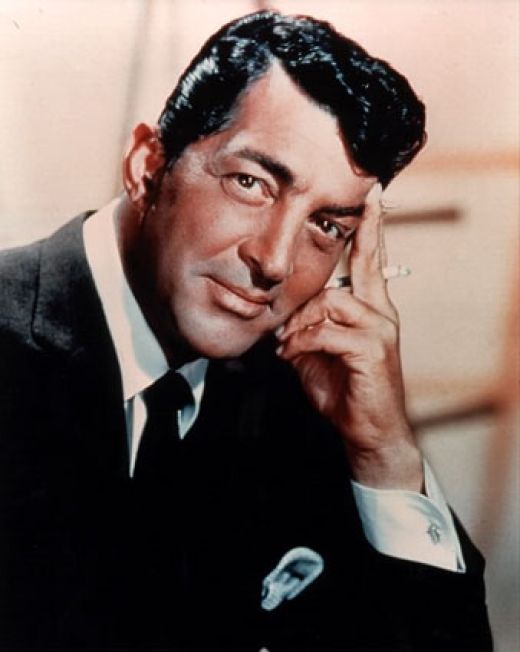
“When the world seems to shine like you’ve had too much wine that’s amore” ~ Dean Martin

Spicy, Sexy, Sultry: Wow, All Three?

They say that bad things come in threes and that three is a crowd. But they also say that third time’s the charm. Regardless of your personal superstitions surrounding the number three, don’t let them get in the way of trying Chateau Faire Le Pont’s 2007 Tre Amore red blend, which consists of 52% Cabernet Sauvignon, 27% Sangiovese, and 21% Merlot. This is Washington wine done in the style of a Super Tuscan blend (Sangiovese blended with Bordeaux grapes like Cab and Merlot).

From the tasting notes: “Cabernet Sauvignon from Steve Elerding’s Desert Vineyard in the Horse Heaven Hills blended with Milbrandt Vineyard’s Sangiovese and Merlot from the Wahluke Slope. Marries intensity and elegance. Full-bodied, rich and layered. Delivering a combination of red and black fruit flavors, the blackberries, black currants, raspberries and chocolate covered cherries meld perfectly with the mocha hazelnut aromas and velvety tannins on the long, smooth finish.” $40 per bottle on the winery’s website. (Price and grape blend percentages subject to change over time).

(Ahem) Did you notice the names I underlined above? A little advice: those are all really good names to look for when you’re selecting a fine Washington wine, as they are all excellent vineyards and AVAs in Washington state (an AVA is an American Viticultural Area, or a designation regarding recognized winemaking regions of the United States).

Wahluke Slope is one of my favorite AVAs. We also vacation there each summer with our dear friends who love Budweiser, hate wine, but love soaking up the sun, and that’s all the grapes do there, too… soak up absurd amounts of sunshine until they are dark, juicy and sugary-plump on the vine like fat chocolate truffles. The reward is BOLD, rich, delicious wines.

When my husband and I tasted Tre Amore last summer in Wenatchee (the home of Chateau Faire Le Pont’s winery and tasting room), it blew our minds. Plain and simple. As if that weren’t enough, Tre Amore took home the gold at the Beverage Testing Institute for 2010. We have a winner, folks!

Make sure to drink it soon, or cellar it properly according to the winery’s instructions. Introduce this wine to a steak with sautéed Portobello mushrooms or some pasta with marinara sauce and fresh herbs. Does life get any better than fine meals like this?

I will have more reviews coming soon for other wines from Chateau Faire Le Pont. One of my personal favorite wineries! You truly can’t go wrong with anything there.

Now that’s amore!

A Tumult of Tannins: Darby Winery Harnesses Chaos in a Bottle

One of my least favorite womanly chores is untangling the jewelry in my jewelry box. It’s tedious, frustrating, and an inevitable reality. But hand me another female’s jewelry box, and I’m captivated. Digging through someone else’s jewelry box is like a grown-up treasure hunt: you carefully handle each piece, admiring it and imagining how you would wear it or repurpose it (or how much you could sell it for). It’s kind of like that when drinking Darby Winery’s Chaos Red Wine Blend from the Columbia Valley… you sip it, and try to sort out all the wonderful, mesmerizing flavors dancing around in your mouth.

Darby Winery has superbly crafted Washington red blends of which I am in awe, including one called Purple Haze (how awesome is that? It tastes awesome, too… to be reviewed later). Chaos’ 2008 Bordeaux-style lineup included 35% Cabernet Sauvignon, 28% Merlot, 20% Cabernet Franc and 17% Malbec. It is a clever, exquisite, intentional blend that delivers very well on the palate. Chaos is $38/bottle and you can purchase it through the website or at either of their tasting rooms in Woodinville or West Seattle.

For some reason, I liked this wine better in the tasting room than when I opened it at home (this remark of mine is from 2010 or so). Sometimes this happens, even when you take great pains to preserve a wine well and go through the trouble of decanting it. Decanting simply means pouring your bottle of wine into a glass or crystal decanter, and allowing oxygen to work its magic on the wine and expand and develop its flavors into a magnificent palate. You will taste a pronounced difference, especially with fine red wines.

Here is a quick, “CliffsNotes” primer on how you should store your wine, particularly a fine red such as Chaos (but don’t sue me if you buy an expensive bottle and it spoils… ask the winery how to store it properly and when to drink it):

1) Dark
2) Store bottle sideways
3) Cool temps, doesn’t rise above mid-sixties Fahrenheit
4) Dry, not too humid
5) No major fluctuations in the above listed

Serious wine collectors will opt for climate-controlled wine cellars to protect their investment. If you can get one, more power to you! But for everyday folks like you and me, for whom a $30-$40 bottle of wine is about as wild and crazy a splurge as we make these days, anywhere in your home that has these traits should suffice. Check out OUR makeshift wine cellar!

Arnesen Wine Cellars, Coat Closet, Washington. Various appellations.

Nevertheless, Darby’s Chaos is an exceptional and impressive wine that you red wine lovers will adore. It will earn a permanent spot in your wine cellar treasure chest.

*FYI, if you’re looking for a simple yet elegant way to store your wine, these wine cubes were designed by master designer Rich Jamieson of Jamieson Furniture Design. He does custom furniture as well, so you can have a custom wine cellar made for you, as well as a fully custom furnished home!