Peanut Butter Jelly Time!

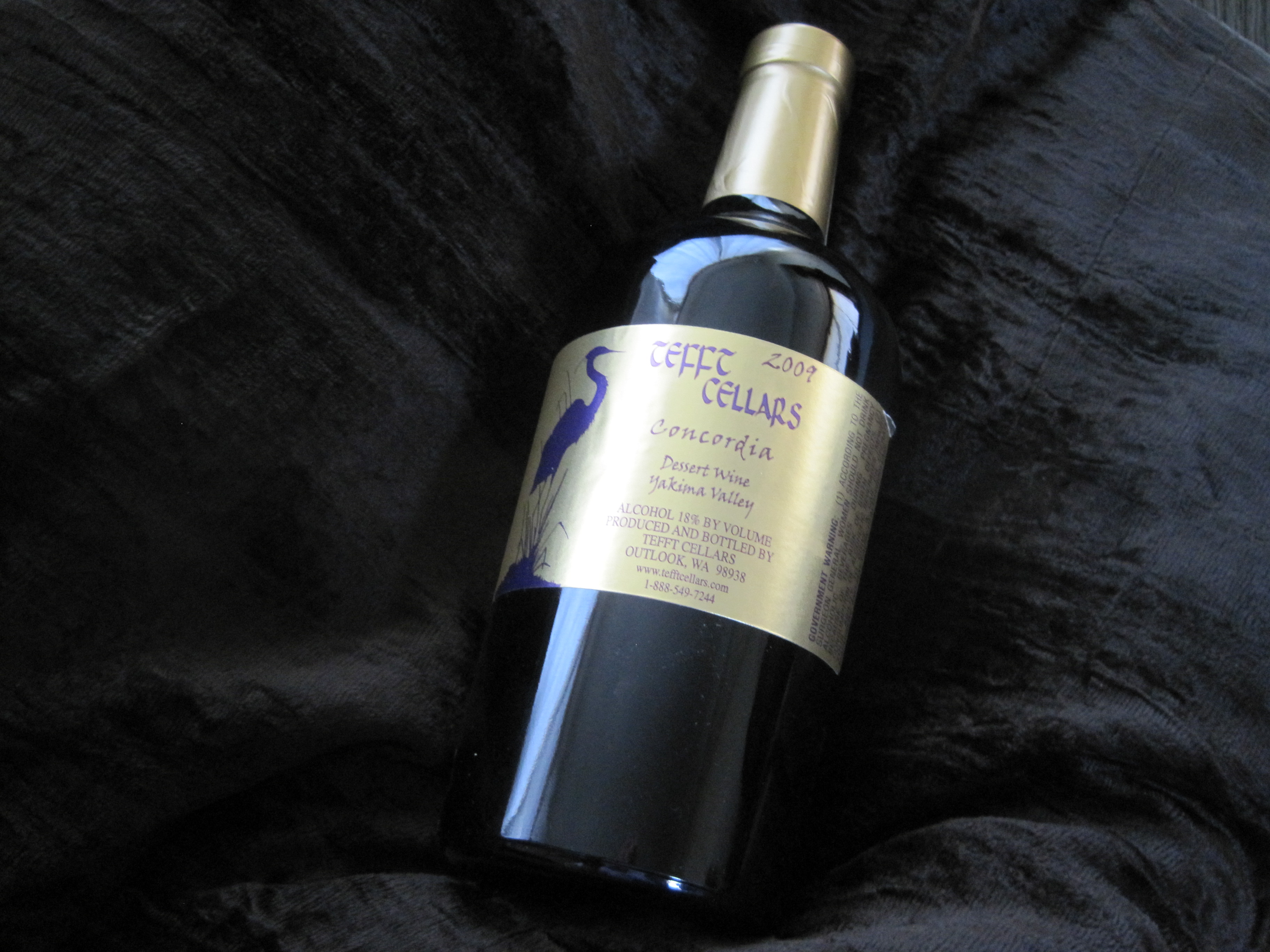
Indulge in a port that tastes exactly like concord grapes. Photo by Brenna Arnesen.

Tefft Cellars Concordia Port is a Portal to the Past

*Update 2023: Sadly, Tefft Cellars and their one-of-a-kind Concordia Port are no longer. Look for a ruby port or other port-style dessert wine for a similar pairing. A good excuse to go wine tasting, don’t you think? 😉 

Peanut butter & jelly is one of those timeless flavor combos of childhood. We might get really sick of it after years of it in our school lunches every day, but after a while, we come back to it because it’s just so good! For some reason, we can’t escape its classic appeal.

Here is a nostalgic spin on pb & j for grownups that gives the ol’ smooshed sandwich from your crumpled brown bag a run for its money.

This port was made from the Concord grape, the very same one that is commonly made into jelly.

Instructions:
1) Buy some dark chocolate peanut butter cups. Trader Joe’s has some very tasty ones. Or if you’re fancy go to Seattle Chocolate Company and just get a few so they don’t linger in your home too long.

2) Buy a bottle of Tefft Cellars Concordia Port. Puget Sounders can make a drive out to Woodinville and buy some at Tefft Cellars. The nice thing about this winery is they are open daily from 11:00 am – 7:00 pm so you can have a productive trip.

From the tasting notes: “This fine wine is made from the Concord grape and was barrel aged for 10 months. The Concord grape adds a very fruity edge to this wine.”

3) Eat them together and be happy. You might not be 6 anymore, but you can feel that way when you taste these two lovelies together.

Microwineries: Serving Up Macro Wines

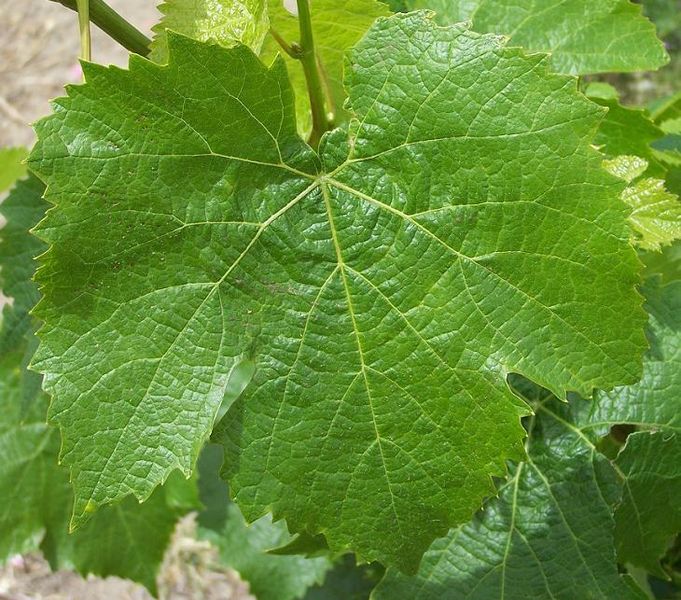
A lovely Petit Verdot leaf.

A fabulous trend I’m a glutton for is the “micro” trend. Not microwaves, microfiber, microfiche, or Microsoft even, but microwineries… limited production facilities where the wine is high quality because it benefits from the extra love and attention of the winemaker, like an illustrious private school for grapes. Also, the grapes can be from prized, small lot vineyards. Microwineries (and breweries, for that matter) are concentrated havens of artisanal artistry and craftsmanship. Fortunately, micro is no trend du jour; it is a permanent fixture on our gourmet food and beverage landscape. Has the espresso-to-go trend died yet? Nope, and neither will this! We humans love our high-quality handcrafted beverages, and we’re willing to do whatever it takes to get our hands on them.

As we get less and less handy in modern American society and purchase more of our needed items pre-made, do you think there is a correlation to our desire and propensity for all things “hand-crafted?” Discuss.

A particular wine from a particular microwinery I’m quite fond of and that I encourage you to try is the Andrew Rich Vintner 2008 Columbia Valley Petit Verdot Ciel du Cheval Vineyard. This treasure was found on one of our Willamette Valley wine trips.

First of all, who is this winemaker, Andrew Rich? From the winery website: “Named one of Wine & Spirits magazine’s top 100 wineries of 2009, Andrew Rich Wines has been crafting distinctive wines in Oregon’s Willamette Valley since 1995. Along with Pinot Noir, Rhône Valley varietals from the Columbia Valley–including Syrah, Roussanne, Grenache, and Mourvèdre–take pride of place, though the winery is equally well known for its seductive Gewürztraminer dessert wine. Production averages 5,000 cases per year.” (www.andrewrichwines.com).

Andrew Rich crafts his premium wines in the state-of-the-art Carlton Winemakers Studio, the nation’s first “green” cooperative winemaking facility. An “environmentally friendly facility,” the Studio is home to several wineries that seek to produce wines of the highest caliber. My husband and I showed up there five minutes to close, but the gal in the tasting room was kind enough to let us do a quick tasting and we loved the Petit Verdot and wound up taking a bottle home.

On a side note, what should you call someone who works in a tasting room? Might I suggest something colorful, like Bar-ista, Grape Goddess, Sip-erintendent… stop me now!

What is Petit Verdot? Single varietal Petit Verdot wine is like black ink in a glass. Petit Verdot is typically used in small quantities in Bordeaux blends to lend tannic structures and flavors. Just remember, if red wine grapes are on a spectrum of darkness/thickness/intensity, Petit Verdot is as far away from the light as you can get… a dark, inky black wine with dynamic flavor and complexity. It is more successfully cultivated as a single varietal wine in the New World as opposed to the Old World (aka the cradles of civilization where wine was first made, e.g. France, Greece, Italy, Hungary, etc.). How did “A Whole New World” get stuck in my head? Great, moving on….

Now, about the Ciel du Cheval vineyard. Those of you possessed of Washington Wine Wherewithal know that the Ciel du Cheval Vineyard is equivalent to a Gucci or Prada handbag. It is one of the best vineyards in the USA, and arguably the world. According to Cole Danehower at Northwest-Wine.com, “Famed for the elegance and complexity of the wines it produces, Ciel du Cheval and its owner Jim Holmes have become near-legendary exemplars of what Washington wine is all about. The desirability of fruit from Ciel du Cheval can be seen in the names of the wineries that produce wine from the vineyard. Culling through a client list that includes 25 producers in Washington and Oregon reveals some of the Northwest’s most prestigious labels: Fidelitas, Mark Ryan, Quilceda Creek, Andrew Will, McCrea Cellars, Cadence, Betz Family . . . among others.”

I will review some of these wines in later posts (hold your chevals!). 🙂

Andrew Rich’s tasting notes sum up this wine perfectly:

“Long-time club members know that I’m not able to get this fruit every year (there was an ’07; there’s none in ’09). This vintage continues the tradition of massive fruit, tannin, and acidity seamlessly sewn into a pitch-black cloak of mystery. What the heck does that mean? Taste and ye shall see.”

Perfect in time for Halloween: a dark, mysterious red wine! Hop on board the microwinery train with this Petit Verdot!

Decadent Toasts: Dessert for Breakfast

Goodbye boring breakfast toast, hello fancy indulgence! Photo by Brenna Arnesen.

And now, a movie scene, concerning the luxury of toast….

Kate: You know something? Nobody gives a rat’s ass that you have to push the toast down twice. You know why? Because everybody pushes their toast down twice!
Leopold: Not where I come from.
Kate: Oh, right. Where you come from, toast is the result of reflection and study!
Leopold: Ah yes, you mock me. But perhaps one day when you’ve awoken from a pleasant slumber to the scent of a warm brioche smothered in marmalade and fresh creamery butter, you’ll understand that life is not solely composed of tasks, but tastes.
Kate: [mesmerized] Say that again.
Kate and Leopold, Miramax Pictures, 2001.

Kate & Leopold may not have been my favorite Meg Ryan chick flick (trust me, it wasn’t!), but you do have to agree with Hugh Jackman’s sentiment here… that our lives should not be measured by how efficiently we completed tasks; rather, its quality and richness is derived from the slowing down and enjoyment of color, depth, texture, flavor. I like this thought, and this is why I purposely make cooking a hobby and priority in my life: it’s important. Until we slow down and show our food a little more reverance in its preparation and savoring, we will forsake our health, quality of life, and enjoyment of life.

It was this thought of warm, oozing, pleasurable toast that led me to trying a couple of fun different toast combinations. I actually don’t eat much sandwich bread anymore… when we buy bread we get the kind without preservatives, but since we can never finish a loaf that fast, it always starts spoiling and we can’t finish it. Probably best for a couple of daily desk-dwellers to not be so heavily reliant on bread, but we do have it a little bit. These toast recipes are for when you’ve got a fresh loaf on hand and want to enjoy some toast at breakfast or brunch. Could even work for an afternoon tea!

Whole Grain Toast with Strawberries and Nutella

9 grain and seed bread, toasted medium
Butter, or healthy spread
Nutella
Fresh, super ripe strawberries

The strawberries I used were so ripe they were heavily fragrant and practically jam. Decadent! Enjoy with a pot of French press coffee and fresh-squeezed orange juice. Like eating a chocolate covered strawberry for breakfast!

Topping Option #2:

Whole Grain Toast with Blueberries and “Mascarlade”

9 grain and seed bread, toasted medium
Butter, or healthy spread
Mascarpone cheese
Orange Marmalade
Fresh Blueberries
Cinnamon

Marmalade is highly underrated. It is, however, very very sweet, and a little goes a long way, especially when you have sweeter blueberries, too. Mascarpone is a fancy Italian version of cream cheese.

A toast to noble, yummy toast, and it’s unlimited versatility! What are some other deliciously unusual ideas for toast?

Wine Tasting in a Secret Garden

The Pacific Rim Bonsai Collection at Weyerhaeuser. Photo courtesy http://www.weyerhaeuser.com

In Which Two Tasty Woodinville Wines Are Sampled Amidst a Bonsai Collection

It’s September – scratch that – mere hours from October, and I need to play major catch up here, so consider this a two-for-one special! It’s a Rambling Vine Groupon! Read one wine review for free, read another in the same post, also for free. Er…. anyway.

Recently I had the privilege of pouring wine for Woodinville Wine Cellars at a Habitat for Humanity fundraiser at the Pacific Bonsai Museum in Federal Way. A wonderful gal I know roped me in to volunteering for this event, and am I glad I did! I love chatting up people and gabbing about wine, so this was the perfect gig for me. It was a hot summer day, fantastic event, extremely worthy cause, and an ideal, relaxing setting in which to savor some wines. Everyone who tried the wines I poured liked them.

I have never seen bonsais like these in my life! Each tree has its own staging area, platform and backdrop. It’s just amazing. You could spend hours contemplating just one. I have lived in Western Washington my entire life and had never been to this beautiful, extravagant garden! Check this place out soon! And don’t just look at the photos, use your own eyes and go enjoy the garden yourself. Who knows how many more glorious warm days we have until darkness/cold/the evil dead of winter creeps up on us? (Me, biased? Nah.)

Here are the wines I got to pour and my takes on them. I haven’t yet been to Woodinville Wine Cellars, but after tasting these I think I would like to go out there sometime and try some of their other varieties! Have you tried any of their wines?

Woodinville Wine Cellars 2011 Sauvignon Blanc Columbia Valley

$18 or so. Delicious! A great Sauvignon Blanc, perfect for a hot summer day. Sophisticated and very drinkable. It has bright fruit flavors balanced out by a
clean mineral dimension that doesn’t make it too tart. This was perhaps the
most popular white wine that night (and there were two other wineries there).

From the tasting notes: “This wine jumps from the bottle in a sophisticated and complex style. The aromas are floral and mouth­watering, with hints of pineapple and citrus and some subtle mineral highlights. In the mouth it is rich and well balanced, showing a hint of grapefruit, citrus and tropical tastes on a long finish. A great  complement to seafood, chicken, or your favorite soft cheese.”

Woodinville Wine Cellars Little Bear Creek Columbia Valley Red Wine

Wine Spectator awarded Little Bear Creek 90 points (that’s high!). This Bordeaux-style blend is only $20. Not bad for the price. The tasting notes point out the “warm spices and rich black cherry scents in the glass” and “concentrated flavors of blackberry, black cherry and mocha complete the finish, lending balanced acidity with a zing!” LBC (I think Snoop Dogg even likes LBC 😉 ) consists of 52% Cabernet Sauvignon, 22% Merlot, 17% Cabernet Franc, 9% Malbec. I liked it for its warm fruitiness and spice notes.

While double-fisting it is not recommended here (start with the whites and move to the reds, generally speaking), these wines are perfect to toss together for a little impromptu wine party. And if the weather is still nice a bit longer, take it outdoors. Happy sipping!

Drinking Inside the Box: A Review of Black Box Cabernet Sauvignon

The notion of drinking wine from a box, admittedly, causes many of us to flinch, shake our heads in pity, or shudder from horror. Images of Franzia Blush Zinfandel in my parents’ basement fridge come to mind, and leave me with conflicting feelings. I’m in the age range where I personally never drank boxed wine (just my parents), but the current stigma of drinking wine in a box puts one to shame for even thinking of trying it. It therefore seems an off-limits purchase reserved for dive bar establishments, desperate housewives and borderline alcoholics.

But why the prejudice? After all, you can’t judge a wine by its artsy label or sexy bottle shape, any more than you can judge a book by its cover. Wine is ultimately judged by its taste. One company took this challenge to task and flat out shattered the stereotype that all boxed wines are bad. In fact, there is one in particular that is very good. This boxed wine label has several key advantages: quantity, value, freshness and taste that last a long time, and sustainable packaging.

I ordered a glass of Black Box Cabernet Sauvignon while on vacation recently in Leavenworth. I was in a beer garden, feeling rather anti-beer, and this was the house wine, and I thought, what the heck, let’s give it a shot. I have to say, it wasn’t bad; in fact, it was quite tasty to drink! It’s an absolute bargain if you need a larger quantity of wine in a pinch for a party. Here is why you should try this wine, from the winery:

“What’s the most delicious way to enjoy acclaimed wines without a hefty price tag? Lose the bottle. In 2003, Black Box Wines redefined the category by becoming the first U.S. vintner to offer super-premium, appellation-specific, vintage-dated wines in a box. Since then our expanding repertoire has earned 28 gold medals in wine competitions nationwide, yet still costs 40% less than comparable* bottled wines.

“Our superb grapes are harvested from world-class appellations, including California’s storied wine country and the acclaimed vineyards of Argentina and New Zealand. Through a meticulous, traditional winemaking process, Black Box Wines are crafted to be food-friendly and fruit-forward—all without the expense and fuss of bottled wines. So whether you crave sumptuous reds or crisp whites, you’ll delight in the quality and value inside every box.

“The grapes that create our full-bodied Cabernet Sauvignon are grown within reach of cooling Pacific Ocean breezes that extend the growing season. Offering a lush display of dark berries, our Cabernet Sauvignon’s smooth tannins create a soft, lingering finish. Spicy cinnamon and vibrant black currant aromas accompany warm notes of vanilla and toasty oak for an irresistible, approachable glass of wine.”

Their 2009 California Cabernet Sauvignon earned a Gold Medal at the 2011 Winemaker Challenge, and in 2012, Wine Enthusiast Magazine awarded the 2010 vintage a “Best Buy.”

If that didn’t shake up your stubborn notions about boxed wine, perhaps trying a glass of the real thing will.

Here’s to thinking outside the box while drinking inside the box!

Orzo-Mint Salad with Prosciutto, Figs, Pecans, and Goat Cheese

Fig: the name doesn’t quite befit this beautiful fruit, does it? Use black California Mission figs in a refreshing summer salad. ©iStockphoto.com/Ivan Mateev

Figs! When fig season is upon us, I freak out and buy as many as possible (short of troubling my digestive system), because we don’t really know how long it will last and how long they will be in the store (kind of like life, so seize the day and enjoy!).

Figs are so good for you! Did you know that figs are a great source of fiber and are highly alkaline? Alkaline means they reduce the acidity in your body, making it a hostile environment for cancer.

Here are some fun fig facts, for my fellow figophiles.

This pasta salad is yummy-licious! A friend of mine told me she made an orzo pasta with pecans, figs and mint a few years ago. I loved her idea but I upped the ante by rounding it out with some ham and cheese.

This pasta would be great with a white wine, maybe a Riesling, Gewurtztraminer, or Pinot Grigio. See? There’s my wine reference!

Trader Joe’s and Whole Foods Market are the grocery stores I know of that carry the fresh California Black Mission figs regularly.

In fact, during the summer, you should be able to buy this meal completely at Trader Joe’s.

You will need:
Extra virgin olive oil
Aged balsamic vinegar (I used lavender)
Salt and pepper
One 16 oz. package Orzo pasta (a full package is a lot, use half if you like)
One box fresh black California Mission figs, sliced into bite sizes (dry is not acceptable)
One package prosciutto, chopped (optional)
One 5 oz. log goat cheese, crumbled
One package unsalted dry roasted pecan pieces
Fresh mint leaves (to taste)

Prepare the orzo according to package instructions. Drain, run some cold water over the pasta to cool it off. Once the pot is cooled off, put the cooled pasta back in the pot and drizzle and toss with oil & vinegar. Add the figs, goat cheese, pecans, prosciutto (if any) and mint leaves. Mix well. Season to taste with salt & pepper.

If orzo pasta ain’t yo thang, substitute with cooked rice, couscous, or quinoa.

What to Drink When You’re “Hot to Trot”

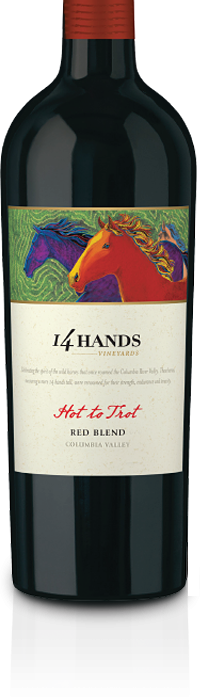
Reader, meet the smoothest red wine you’ll ever drink! Photo courtesy 14 Hands Vineyards. http://www.14hands.com

Disclosure Statement: This post contains affiliate links. When you click on an affiliate link and make a purchase, I receive a commission at no additional cost to you. All opinions are my own.

In honor of everyone who is engaged to be married right now, especially my sister. Congratulations Jocelyn and Conor on your romantic Irish engagement!

Being newly engaged can be hazardous to your health… at least it was for me. When the love of my life popped the question and subsequently put a gorgeous carat on my finger, I was inordinately obsessed with MY sparkly object. I would roll my car window down every time I drove, rest my arm out the window and gaze all gooey-like at the diamond, the summation of my happiness. I can’t tell you how many auto accidents I narrowly avoided in those early weeks. I’m still obsessed with my rock, but eventually I mellowed.

But isn’t it wonderful when you’re wallowing in the throes of “just engaged” bliss? When you’re “hot to trot” with the one you love, you’re caught up in a love whirlwind that thrusts you toward the altar with smoldering passion and whiffs of eternal commitment. It’s a red torrent of unflinching romance! With your eye on the prize, nothing can stop you. “Going to the Chapel” is on constant loop in your subconscious. Yes, you fit all the criteria; you’re hot to trot! Here is a celebratory red blend wine that epitomizes the recently engaged state.

I insist you try 14 Hands Hot to Trot Red Blend. For around $10, it will shock you. Everyone to whom I have introduced this wine has raved about it! The 14 Hands label, like Red Diamond, has quickly become a hot Washington wine buy, and for good reason. Smooth, fruity, yet poised and so drinkable. From the tasting notes: “This approachable and easy drinking red wine offers generous aromas of berries, cherries and currants. A plush framework of soft tannins supports the red and dark fruit flavors that leisurely give way to subtle notes of baking spice and mocha on the finish.” It’s a blend predominantly of Merlot, Syrah, and Cabernet Sauvignon, with hints of Mourvèdre and other select red varieties.

This wine goes down your gullet very easily… yeah, just be careful and don’t overdo it! Perfect to share with friends, and toast the future happiness of loved ones!

Say Oui (Wee!) to Pinot Gris

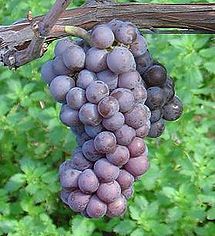
Gorgeous Pinot Gris grapes. Photo by Andrew Fogg.

Chateau Faire Le Pont Milbrandt Vineyards Pinot Gris 2009

I should just come out and say it: Pinot Gris/Pinot Grigio is perhaps my least favorite wine. It’s like a limp handshake; it’s perplexing and doesn’t really do anything for you. Boring, disappointing, and uninspiring are all words that come to mind when I think of Pinot Gris. Why, you ask? Well, we’re all entitled to our preferences, and while I’ve gone into tastings with an open mind I still
don’t quite get Pinot Gris. It’s so light you can sometimes barely taste the flavors, or else it tastes like grass clippings, and not the pleasant variety. This is why I would tend to opt for just about any other white.

First of all, you’re probably wondering what the difference is between Pinot Gris and Pinot Grigio… the only difference is in the name. Pinot Gris is the French term and Pinot Grigio the Italian. It is a white grape that is a mutation of the red Pinot Noir grape. Don’t worry, they are not trying to confuse you on purpose.

So, as a Pinot Gris agnostic, imagine my surprise when I try a Pinot Gris I actually like! Sacre bleu, such a thing really exists?

It does!

Chateau Faire Le Pont, one of my favorite Wenatchee wineries, makes a knockout Pinot Gris. It has a body and focus with depth and persuasion — more like a French kiss than a limp handshake! Oooh la la, now we’re talkin’!

From the tasting notes: “Floral with just a hint of sweetness, our 2009 Pinot Gris exhibits intense peach, melon, apple, honey and almond flavors that sail on and on throughout the long, lingering finish.” Doesn’t this just transport you to the French Riviera? Note the rich fruit flavors, hint of sweetness, and mouth feel; these qualities give the wine more depth, dimension, and deliciousness than a typical Pinot Gris. Pinot Gris’ ancestral turf is the Alsace region of France, where the grape has been cultivated to exhibit more fruity and floral flavors than the dryer, more minerally Italian Pinot Grigio grapes. No reminders of cow cud with this wine!

Now if only I could drink this while actually lounging aboard a sailboat on the
Mediterranean, I think Pinot Gris could become my favorite wine ever! In the mean time, I can sip it on my deck in the sunshine, close my eyes, and drift away.

Oregon Strikes Back with A Creme De La Creme of Pinot Noirs

Hello, friends! I’ve been vacationing, drinking wine, cooking delicious things, soaking up summer sun and neglecting the blog… you might call it conducting research. Summer is a grand season for recreating and relaxing, and my view is the more we can peel ourselves away from technology when it’s lovely out (smart phones included!) the better off we’ll be. But I can’t keep you all chomping at the bit, can I? The last wine I wrote about we were in the midst of a fierce interstate rivalry, so now let’s pick back up where we left off. Commence Part Deux of the Battle of Pinot Noirs: Oregon vs. Washington! Draw your wineglasses!

What is the point of living life without a few extravagant indulgences? A life of perfect discipline and piety might be beneficial, but is it natural to maintain or joyful to live out? If you sense the spirit moving, it’s time to take a road trip to the Willamette Valley and purchase a decadent wine. While you’re there, don’t miss De Ponte Cellars. It’s one of the better wineries I’ve tried so far.

De Ponte Cellars Estate 2008 Pinot Noir Dundee Hills shows Washington why Oregon dominates the realm of superb Pinot Noir. It’s on the spendier side, but once you taste it, you’ll understand why.

This is easily the BEST Pinot I have had to date that hits all my requirements for a good Pinot; medium to full body for most expression, deep color in glass, aromas of fruit and smoke/ash (thanks to the volcanic Jory dust of the Dundee Hills AVA) and overall balance (everything works together in harmony in your mouth). Trust me, it is very well worth the price.

Pinot Noir is now my husband’s favorite wine. Pinot Noir is one of the more intriguing grapes out there; very finicky, mysterious, hard to control, but super expressive and
fascinating once you hit a good one that pleases your palate. As I’ve mentioned
before, this is also a factor in Pinot’s generally higher prices and tasting fees (or maybe Oregon is just resting on its laurels a little too much? Hmm, another thought for another day.).

And now, the tasting notes from the back of the bottle: “Nurtured by our rich Jory soil and our cool Oregon climate, our wines are handcrafted with uncompromising quality. Our goal is to produce memorable Old-World style Pinot Noir. It is our mission, our focus and our passion. This is a special limited bottling to showcase De Ponte’s unique terroir in the Dundee Hills. From some of our most prized blocks of the De Ponte Vineyard, this wine is a softer and more delicate expression of our traditional style. Floral with subtle aromas of raspberry, dark cherry and notes of vanilla. The ‘08 Estate has harmonious and silky texture while the tannins are soft and perfectly integrated giving this wine an elegant and graceful frame. The finish is long and fresh, full of red fruit and spices. Very approachable now though will develop much more complexity during bottle aging. It is the perfect example of the delicate nuances of the Dundee Hills.”

So, what is my conclusion, you ask? Which is better, Oregon or Washington Pinot Noir? Oregon’s climates tend to favor Pinot Noir, and thus they produce a lot of it and very well. Washington, while not sharing exactly the same climate as Oregon, may not be able to produce the same STYLES of Pinot Noir, but that doesn’t mean they don’t produce some very good ones that are distinct in their differences from their Oregonian counterparts. My conclusion is to treat each bottle of wine, be it from Washington or Oregon, with an open mind and an open mouth!

Butternut Squash Quesadillas

Ooey, gooey, melty, yummy, they’re calling your name! Photo by Brenna Arnesen.

It’s time, ladies and germs, for another respite from vino… off on a culinary excursion! Whet your appetites, it’s gonna be really good! 🙂

I love to cook, and I love the final, tasty fruits of my efforts even more. Apart from learning basics like spaghetti and scrambled eggs from my mom, I learned how to cook real meals using recipes. Rachael Ray and her pink cookbook get huge props for helping me beef up my skills to master chef status, especially when I lived on my own before getting married (As an Amazon Associate, I earn from qualifying purchases). I still tend to prefer using recipes when making meals, but as I gain more confidence, and the realization that not all recipes make perfect sense, I bravely make my own modifications and start trusting my own burgeoning culinary instincts… which is super important for every cook.

I’m maturing as a cook because lately, more than in previous years, I am now making up my own recipes. This is a huge step for a girl who is a cookbook maven (they are piled by my couch all the time for leisurely perusing and inspiration) and who has stuck to recipes much like a religious dedication to algebraic equations. I didn’t veer far from cookbooks, partly because I wanted to train myself by learning to follow a recipe verbatim and educating myself on process and terminology. But now I’m taking creative risks in the kitchen, and this is helping not only my cooking, but my whole outlook on life. Every time I cook, even though I’m using the same ingredients, it’s a new experience and new result every time. That’s the art of cooking.

One of the best ways to let your creative juices flow and have fun in the kitchen is to invent your own recipe. Not out of thin air, mind you, out of the inspiration you’ve gleaned from any fantastic eateries you have frequented. It only makes sense to borrow from the best and riff on them in your home kitchen. Most restaurants have their menus posted on their websites in PDF format, so you can refer back to the ingredients, or you can jot them down/take a picture with your phone when you’re dining there.

One such recipe I vowed to recreate at home and did — successfully, and even upped the nutrient quotient! — is butternut squash quesadillas from The Matador. Just uttering the phrase “butternut squash” puts me in a very happy place, so much so that I will order whatever item that is on the menu that has been blessedly paired with the saintly squash. It’s one of my favorite foods, obviously.

And this has become a new favorite recipe — made in a cinch, loaded with fiber and nutrients, and heartily filling. I just added the black beans and kale. You can find precut butternut squash at Trader Joe’s and if you would rather save time than money, this is well worth it. Of course, it’s not hard to prep an actual squash, but again, this requires planning ahead.

Purchase the quantities you need… this recipe paints in broad brushstrokes.

Butternut Squash Quesadillas
Tortillas
Sweet Onions
Kale
Can of black beans (try to make your own if you can, or scope out low sodium beans)
Cooked butternut squash chunks, perhaps a 12 oz. bag from Trader Joe’s
Goat cheese
Shredded pepperjack cheese

Slice or dice the onions (your call) and caramelize in olive oil (high heat first, then lower heat to saute). Add pieces of kale and saute. Add the cooked squash chunks and the rinsed black beans and warm through with the other ingredients. Move your filling to a separate dish. Take two flour tortillas; on one spread some of the filling and then crumble over some goat cheese and pepperjack cheese to your taste. Top with the second tortilla to make a frickin’ rad quesadilla, plop in a medium warm skillet to melt the cheese and heat through the middle, then flip to finish off the cooking.

¡Buen provecho, mis amigos!